
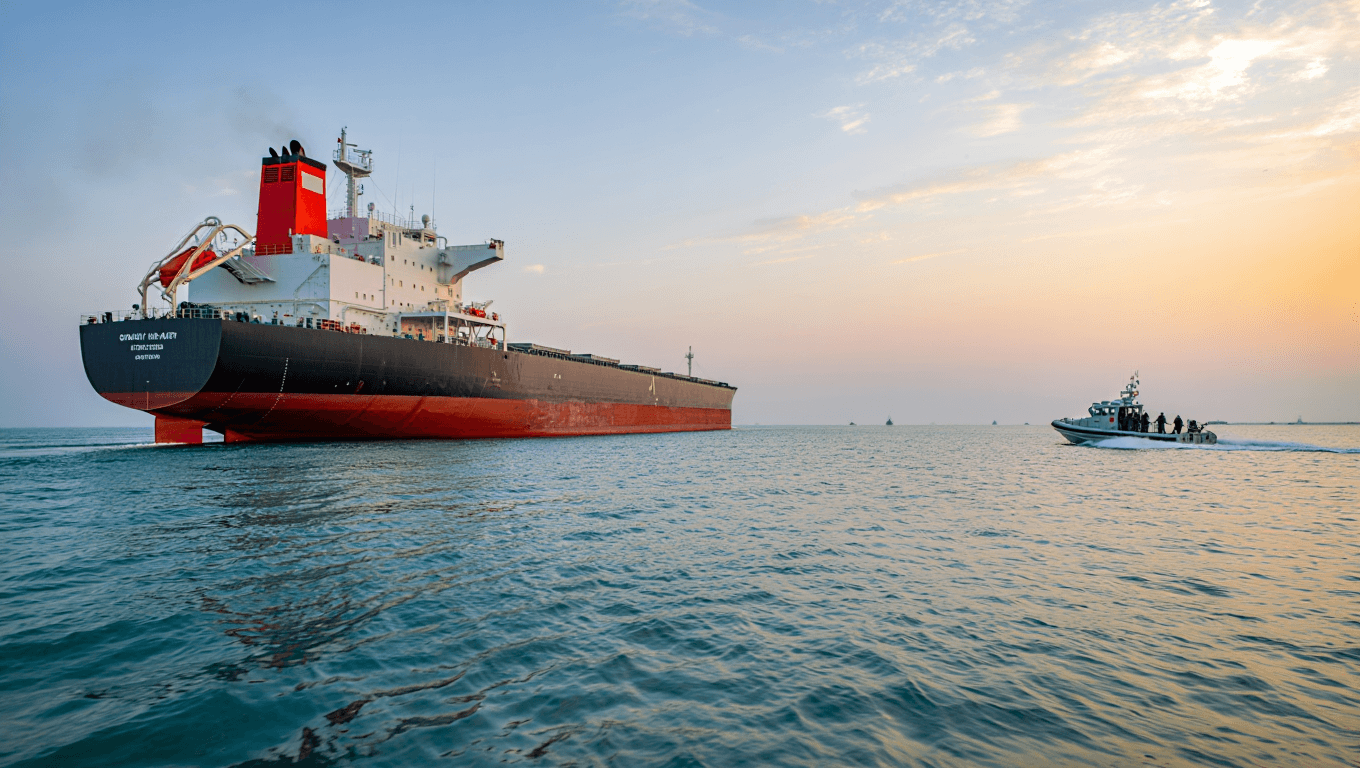
Ship operators are increasingly weighing the risks of transiting the Strait of Hormuz, favoring longer but safer detours as regional tensions and sporadic attacks raise costs and uncertainty. That shift is affecting freight rates, insurance premiums and delivery schedules, with knock-on effects for energy markets and time-sensitive cargoes.
Why many captains are avoiding the choke point
The narrow waterway that links the Persian Gulf to the open ocean remains strategically vital — and politically sensitive. For commercial shipping, the calculus now goes beyond distance: owners factor in the likelihood of an incident, the availability and price of war-risk insurance, and the operational hassles of heightened security.
Some shipowners opt for the long route around Africa, accepting extra fuel and time to sidestep the risk and potential insurance surcharges. Others continue to use Hormuz when delays are unacceptable or when rerouting costs would outweigh the premium for transiting the strait.
Immediate consequences for fleets and cargo
Practical changes are visible across the industry. A number of vessels carry fewer crew changes at regional ports, schedule narrower weather and arrival windows, or adjust their types of cargo accepted for the route. Smaller operators with thin margins are most exposed; they may postpone voyages or reassign ships altogether.
- Increased voyage length: Re-routing around the Cape of Good Hope can add weeks to sail times for Asia–Europe and Asia–Mediterranean trades.
- Higher operating costs: Longer routes mean more fuel burn and port calls, which push up freight rates.
- Insurance pressure: Higher premiums and stricter policy terms for vessels transiting high-risk waters.
- Logistical friction: Tightened scheduling, crew fatigue concerns and added maintenance after longer passages.
How insurers and charterers respond
Underwriters have tightened conditions for cover in the Gulf, often demanding specific mitigation measures before agreeing terms. Some policies now have explicit exclusions or elevated deductibles for incidents related to regional hostilities.
Charterers seeking predictability may insist on alternative routings in contracts or build clauses that allocate additional voyage costs to cargo owners. That generates complex legal and commercial negotiations when an owner chooses to avoid Hormuz on safety grounds.
Security adaptations at sea
Ship operators are deploying a range of measures to reduce exposure: enhanced watchkeeping, stricter transit windows, coordination with naval patrols where available, and in limited cases, private security teams for higher-risk voyages. These solutions vary in cost and effectiveness, and not every owner can implement them.
Broader economic ripple effects
Because a large share of the world’s seaborne oil and liquefied gas passes near the Persian Gulf, decisions by shipping companies reverberate beyond the maritime sector. Slower deliveries can tighten supplies in certain markets temporarily and feed into price volatility.
For manufactured goods, longer transit times raise inventory and financing costs, which can translate into higher prices or constrained availability for time-sensitive items. The cumulative effect is uneven: some cargoes absorb extra cost; others simply avoid exposure and are rerouted or postponed.
What to watch next
Shipowner choices will shift as the security situation evolves and insurers recalibrate risk models. Key indicators to monitor include naval deployments in the region, incident reports involving commercial vessels, and announcements from major insurers on premium pricing or policy changes.
For exporters and importers, the short-term practical step is to build routing flexibility into logistics planning and expect periodic cost adjustments. For markets, the return to normal transit patterns depends as much on diplomacy and de-escalation as on shipping economics.
In the meantime, the industry’s cautious posture around the Strait of Hormuz underscores a simple fact: the geography that makes global energy trade efficient also makes it vulnerable, and operators are increasingly pricing that vulnerability into every voyage.
Similar Posts
- U.S. expands insurance backstop for Strait of Hormuz to $40 billion
- Iran restricts Strait of Hormuz passages: transit allowed only under strict terms
- US to underwrite and escort tankers through Strait of Hormuz: Trump vows
- Gulf tankers attacked again: Middle East shipping disruptions escalate
- Oil dips while Strait of Hormuz stays closed, traders shrug off supply risks

A logistics expert, Ethan shares tips to optimize supply chains and reduce freight costs in global trade.

