
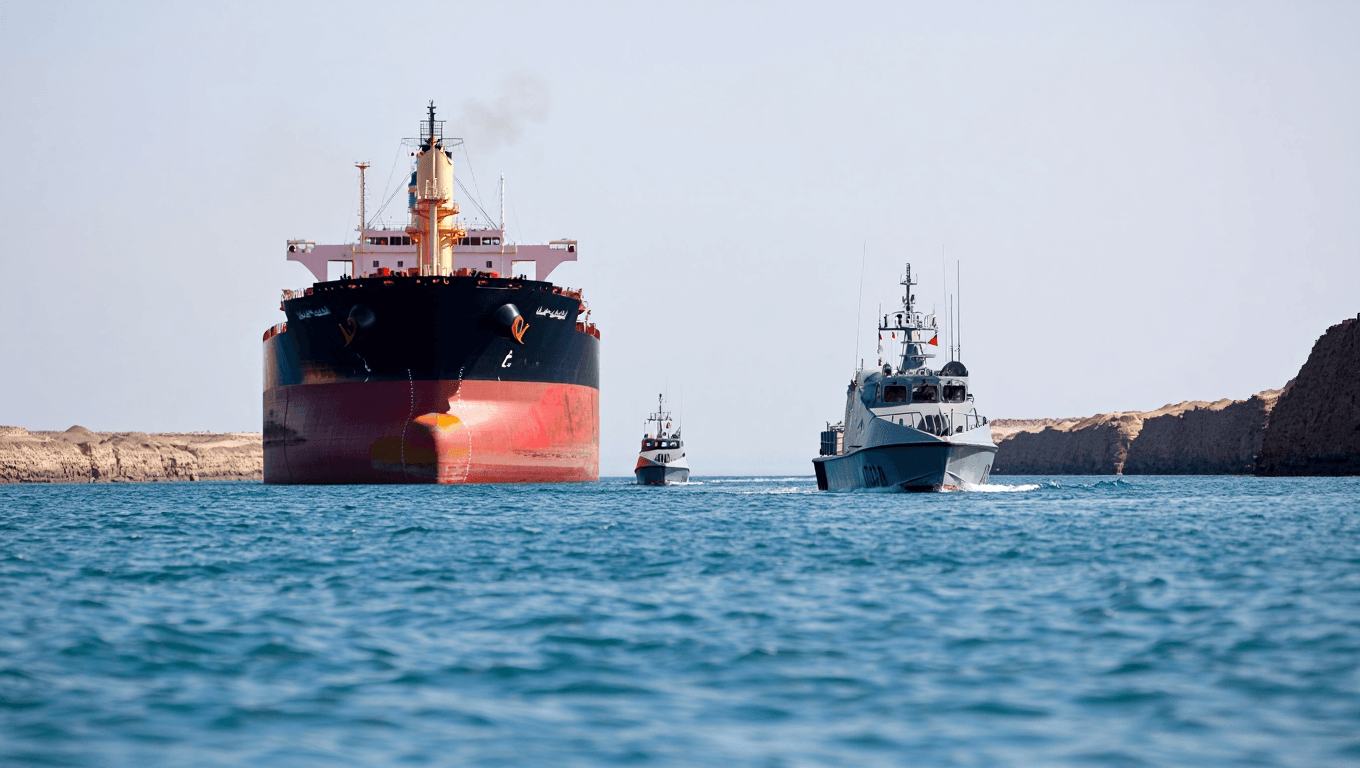
Iran has announced it will allow vessels to pass through the Strait of Hormuz, but only subject to “strict conditions,” according to a statement from Iranian authorities. The declaration immediately raises questions for global trade and energy markets because the strait is a critical chokepoint for commercial shipping and oil shipments from the Gulf.
The announcement did not list every procedural detail, but Iranian officials framed the move as conditional: permission to transit would depend on vessels meeting requirements set by Tehran and on prior coordination with Iranian maritime authorities. Observers say the language signals that Tehran intends to assert tighter control over movements in and out of its territorial waters while still avoiding a full closure.
Why this matters now: the Strait of Hormuz is a strategic narrow passage where a disruption can quickly ripple through global supply chains and push up insurance and freight costs. Any change in how Iran handles transit—whether bureaucratic hurdles, inspections or new documentation—could slow shipments, increase expenses for ship operators, and prompt responses from foreign navies and regional partners.
The regional and commercial stakes are immediate. Shipping firms typically respond to uncertainty by seeking alternate routes, raising insurance premiums, or temporarily avoiding waters perceived as risky. Energy traders, meanwhile, watch for even modest threats to flows from Gulf oil exporters; market sensitivity to such developments can be acute.
- Trade disruption: Delays or new procedures can increase voyage times and costs for container and tanker traffic.
- Insurance impact: Underwriters may reclassify the area as higher risk, pushing premiums up for affected voyages.
- Geopolitical friction: Tighter Iranian controls could prompt diplomatic protests or increased patrols by Western and regional navies.
- Energy markets: Perceptions of supply risk often translate quickly into price volatility for crude and refined products.
Legal and diplomatic questions are likely to follow. Under international maritime law, commercial shipping enjoys a degree of passage rights, but coastal states also retain powers inside their territorial seas. How those principles are applied in practice when a state imposes sweeping conditions will be closely watched by legal experts and governments.
Shipping companies and insurers will be among the first to react; trading houses and energy markets will watch for confirmations or changes in the rules. Governments with naval vessels in the region may issue guidance to commercial fleets or increase patrols to reassure trading partners. Any escalation in enforcement or confrontation could have immediate economic effects beyond the Gulf.
What to watch next: formal guidance from Iran detailing the procedural requirements; statements from major flag states and shipping insurers; and short-term price and freight-rate movements in commodities and shipping markets. Clear, verifiable reporting from independent maritime monitors and port authorities will be essential to understand how strictly the new conditions are applied.
Similar Posts
- Hormuz strait: China and US jointly press for swift reopening
- US to underwrite and escort tankers through Strait of Hormuz: Trump vows
- U.S. expands insurance backstop for Strait of Hormuz to $40 billion
- US plans Strait of Hormuz convoy protection by April: Trump dismisses oil surge
- Shipowners cut Hormuz transits: shipping delays and higher freight rates likely

A logistics expert, Ethan shares tips to optimize supply chains and reduce freight costs in global trade.

