
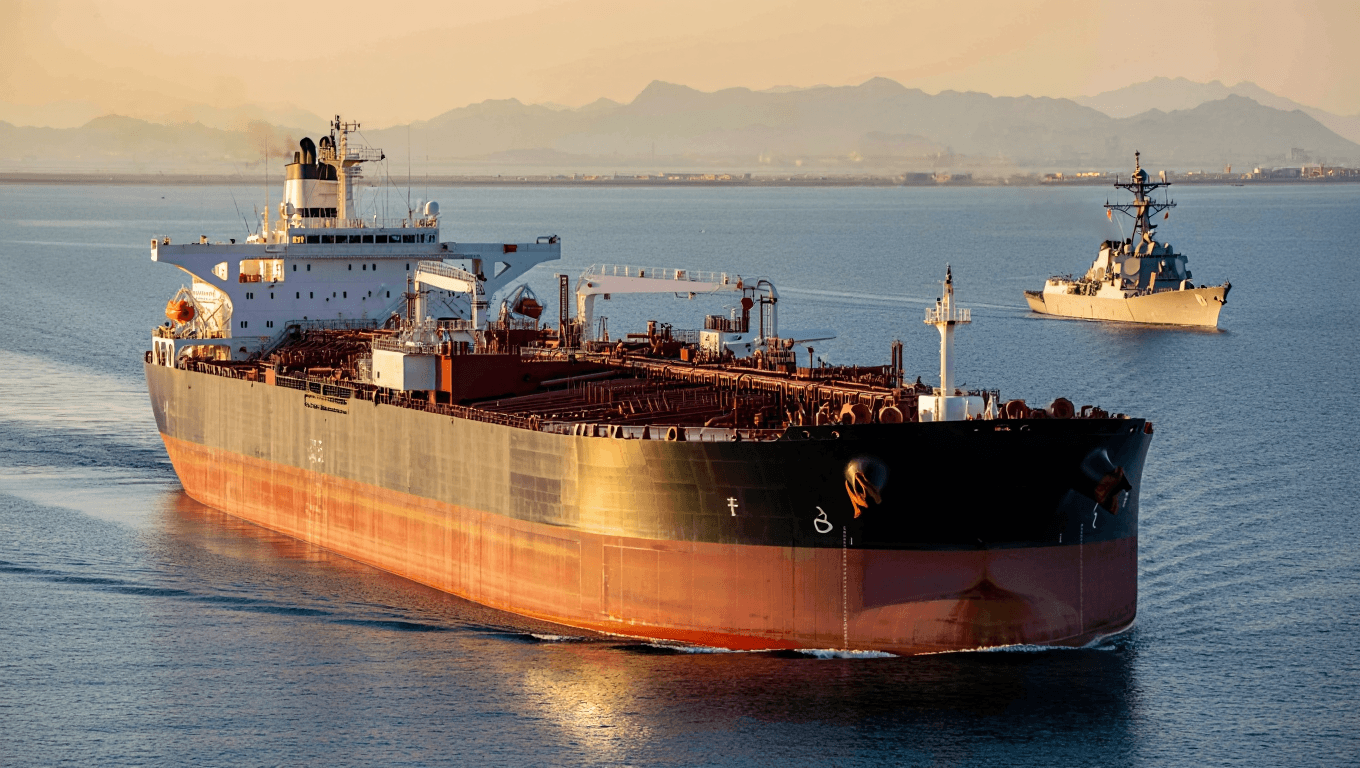
The U.S. government has raised its reinsurance support for vessels transiting the Strait of Hormuz to $40 billion, seeking to blunt rising insurance costs and keep commercial traffic moving through a key oil chokepoint. The increase, announced as regional tensions persist, is meant to reassure carriers and underwriters facing higher premiums and risk exposure.
Washington framed the expansion as a financial backstop for commercial shipping operating in one of the world’s busiest maritime corridors. Insurers typically charge war-risk and kidnap-and-ransom premiums when transit risks spike; by enlarging the pool of state-backed guarantees, the administration aims to reduce that pressure on carriers and cargo owners.
Why this matters now
Disruptions in the Strait of Hormuz can quickly ripple through global energy and shipping markets because roughly a significant share of the world’s seaborne oil flows past the waterway. Elevated insurance costs already add hundreds of thousands of dollars to voyage bills for tankers and bulk carriers; a larger government guarantee is intended to limit further cost escalation and discourage market disruptions.
Beyond economics, the move carries diplomatic and strategic implications. It signals U.S. resolve to protect maritime commerce and could influence allied decisions on naval escorts, convoy measures, and insurance arrangements.
What the guarantee change does—and does not—do
The policy functions as a form of reinsurance: the government fills part of the payout burden if private insurers face large claims tied to hostile acts in the region. That support can lower premiums or make insurers more willing to write coverage for voyages they otherwise might avoid.
- Immediate effect: Reduce upward pressure on premiums and broaden insurer capacity for Gulf transits.
- Benefit: Lower transit costs for shippers and continued flow of commercial cargo, including energy shipments.
- Limitations: It does not alter the underlying security environment; vessels may still face operational risks and route adjustments.
Reactions and likely consequences
Industry sources and maritime analysts say expanded guarantees can calm markets but won’t eliminate all risk premia while attacks or state tensions continue. Shipowners may still seek convoy protections or choose longer, costlier routes to avoid high-risk zones.
For insurers, the increase can restore capacity—allowing them to underwrite more hull and war-risk policies—while reducing the need to impose blanket route exclusions. For oil markets, the guarantee can act as a stabilizer: fewer insurance-driven detours means less upward pressure on freight and, indirectly, on crude spreads.
Quick reference
| Previous guarantee | $20 billion |
|---|---|
| New guarantee | $40 billion |
| Primary aim | Lower insurance costs and sustain commercial shipping in the Strait of Hormuz |
How allies respond will matter. Coordinated measures—such as shared insurance mechanisms or naval escorts—could reinforce the guarantee’s effect. Conversely, any escalation in regional incidents would test the limits of financial backstops and could prompt insurers to raise prices again despite government support.
For companies that rely on Gulf transit, the expanded reinsurance guarantees offer a short-term cushion. But executives and risk managers will continue to weigh security developments, shipping schedules, and long-term routing choices as they chart operations through an unpredictable region.
Similar Posts
- US to underwrite and escort tankers through Strait of Hormuz: Trump vows
- Iran restricts Strait of Hormuz passages: transit allowed only under strict terms
- Oil slips as potential Strait of Hormuz deal eases supply fears
- Shipping firms face wild rate swings: Strait of Hormuz reopening still uncertain
- Shipowners cut Hormuz transits: shipping delays and higher freight rates likely

A logistics expert, Ethan shares tips to optimize supply chains and reduce freight costs in global trade.

