
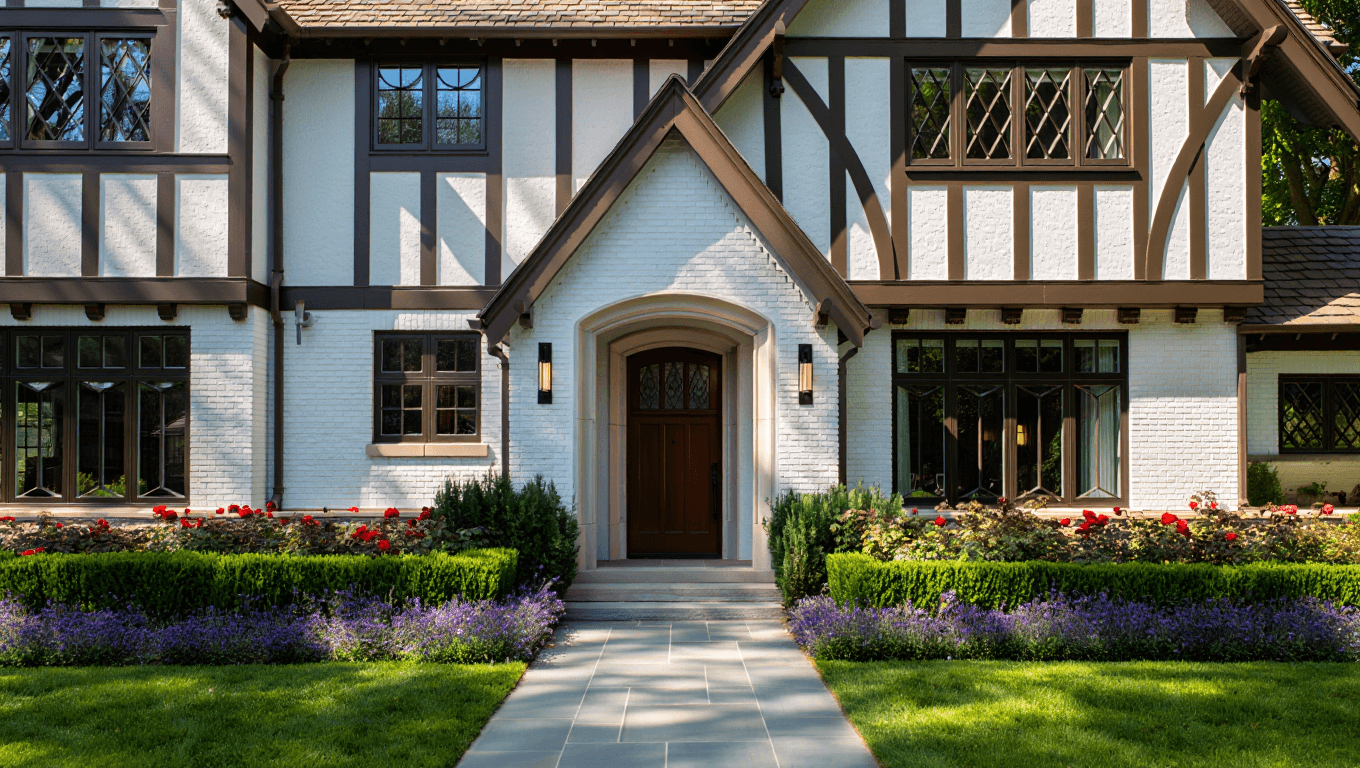
When designer Parris McKenna and her family set out to remake a Tudor-style house in Toronto, the project quickly shifted from cosmetic updates to a full-scale reimagining of how the home functions. The result blends traditional English influences with practical decisions made during a recent renovation that other homeowners can learn from.
Why this renovation matters now
The house demonstrates how midproject choices—like switching to radiant floor heating—can ripple through design and layout, and how small, thoughtful details make daily life easier. For anyone planning a remodel, McKenna’s approach shows the value of designing for lived experience rather than showroom perfection.
From structure to personality
What began as a fairly generic, very white new-build became a deliberate exercise in reconfiguration. McKenna demolished and relocated key elements, including the main staircase, to improve circulation and daylight. One technical pivot—opting for in-floor heating—raised floor levels and forced a reassessment of window placement, illustrating a common renovation reality: systems decisions often dictate finished aesthetics.
She ultimately raised a stairwell window to preserve proportional sightlines; a month of debate, she says, proved the change worthwhile. That willingness to adapt midstream is a theme across the house.
Design that balances era and everyday life
McKenna’s palette leans on a restrained, English-inspired sensibility—muted tones, mixed metals, layered textiles and antiques—yet she prioritized comfort and function. Pattern appears boldly in private rooms, while communal spaces aim to feel collected and welcoming rather than museum‑like.
- Designer: Parris McKenna Design
- Location: Toronto, Canada
- Home type: 4-bedroom, 3.5-bath Tudor-style house
- Practical touches: integrated paper-towel cabinet, pot filler, kitchen pass-through window to the deck
Kitchen and pantry: utility with personality
McKenna designed the kitchen as a living room of sorts—intended to hold souvenirs, flowers and everyday clutter alongside bespoke cabinetry. An oversized island with L-shaped seating encourages conversation, while built-in conveniences (a concealed paper-towel slot, a pot filler) reduce friction in daily routines.
The adjacent pantry grew out of a single decorative decision: a botanical wallpaper McKenna found in the Cotswolds. The wallpaper dictated color and an arched entry, proving how a small, joyful element can anchor a functional space.
Rooms that tell stories
In the dining nook, an 11-foot antique tapestry reshaped layout decisions. Rather than alter the textile, McKenna redesigned the banquette to sit free of the wall so the tapestry could drape to the baseboards—an example of letting an object lead the architecture.
The attic, once overlooked, became a casual family lounge using playful tones and durable fabrics—an instance of extracting value from existing volume rather than adding square footage.
Outdoor living and continuity
Outside, decisions as small as choosing pea gravel helped achieve an “English garden” feel—informal, slightly overgrown at the edges. Mirrored doors and matching cabinetry at the exterior counter create a seamless indoor-outdoor flow; the kitchen’s pass-through window becomes a practical café counter for entertaining.
Small rooms, big impact
The powder room is a compact, theatrical pause in the house: a leftover countertop slab, inventive tile, and a custom stained-glass mirror combine to produce a striking micro‑space. Elsewhere, the primary suite and the office embrace pattern and texture without sacrificing calm, and a daughter’s bedroom pairs a dramatic wallpaper with a refinished antique bed to create a sense of history.
Downstairs, underpinning during construction added 20 inches of headroom, turning the basement into a full lounge rather than a cramped afterthought. McKenna installed fabric inserts in cabinets to evoke windows and make the space feel above grade—a clever visual trick that other renovators have since copied.
Lessons for homeowners
- Anticipate system-level changes: mechanical choices (like radiant heat) can affect finished-floor heights, window proportions and cabinetry details.
- Let meaningful objects drive decisions: a treasured textile or antique can justify reworking a layout rather than forcing the item to conform.
- Design for daily use: integrated conveniences—paper-towel drawers, pot fillers, pass-throughs—add disproportionate value to everyday life.
- Preserve flexibility: midproject adaptation often leads to better long-term results than rigid adherence to an initial plan.
About the designer
Parris McKenna runs Parris McKenna Design from Toronto and Muskoka, focusing on interiors that feel curated and comfortable—spaces that combine collected antiques, layered textiles and thoughtful, modern conveniences.
Similar Posts
- Historic 1920s kitchen refreshed without demolition: budget-friendly tweaks deliver big impact
- Separate rooms surge as buyers rethink open-plan living: one house highlights the shift
- Utah family retreat becomes a showcase for modern mountain architecture
- Victorian home transformed with bold colors: a fresh take on period charm
- Stunning D.C. Row House Transformation: Inside Mike and Courtney’s Chic Makeover by Jeremiah Brent!

A champion of quality and authenticity, Emily delves into Australian-made products and their impact on global markets. With a focus on sustainability, she helps readers understand why these goods are leading the trade world.

