
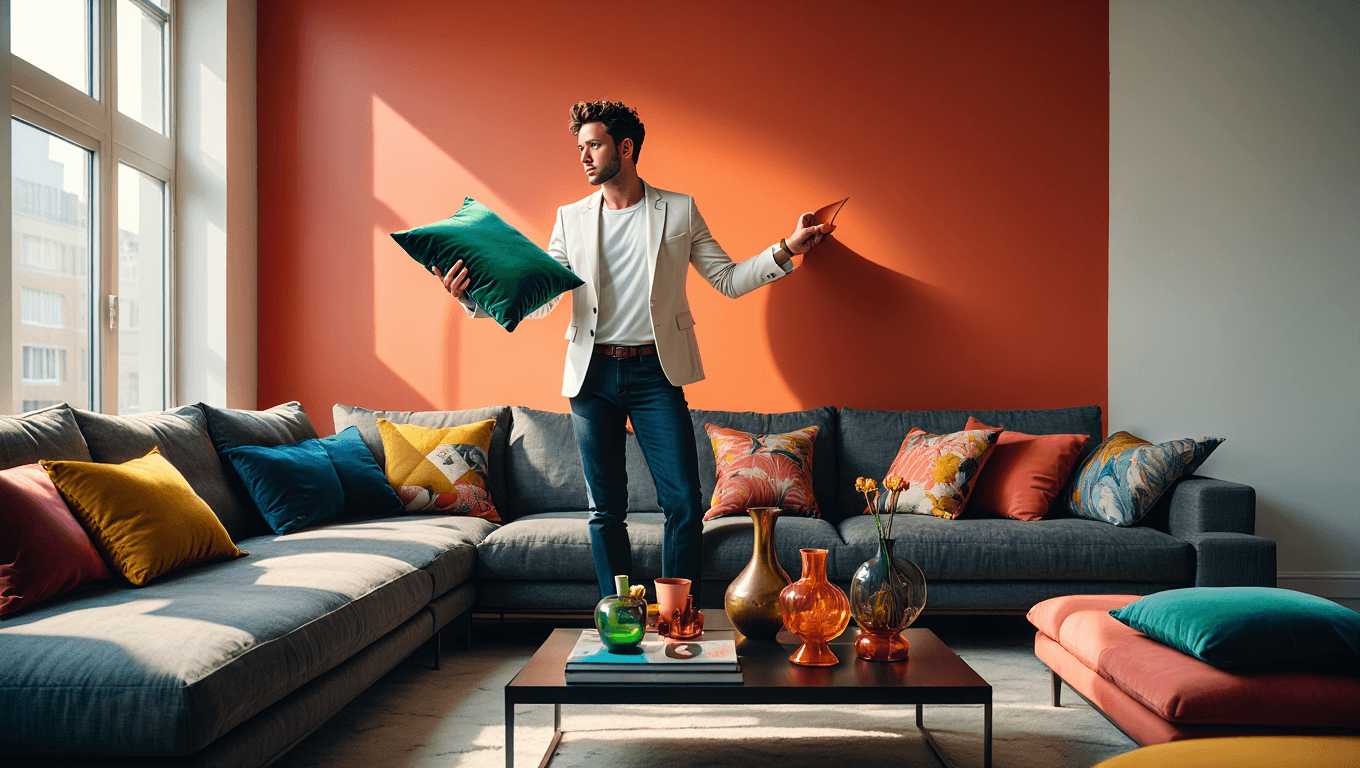
After more than a decade of pared-back rooms and neutral palettes, interior designers are moving decisively toward richer, more expressive interiors — a shift visible in showrooms, social feeds and new product lines. That change matters now because it reshapes purchasing choices, renovation budgets and how people live at home, from the colors on their walls to the way they mix old and new pieces.
Why minimalism is losing momentum
Design professionals point to several forces nudging the field away from strict minimalism. Homeowners who spent more time at home during the pandemic want environments that feel personal and restorative, not austere. At the same time, a growing interest in sustainability and secondhand furnishings encourages mixing rather than matching.
Retailers and brands are responding: showrooms are stocking bolder upholstery, patterned wallpapers and artisanal ceramics in greater volume than in recent years. On social platforms, posts tagged with terms tied to layered, maximal approaches outpace purely minimalist content, signaling genuine consumer curiosity rather than a niche aesthetic.
What the new look actually involves
The movement isn’t an all-or-nothing return to clutter. Designers describe it as careful accumulation — a deliberate combining of color, pattern and texture to create warmth and personality. Think jewel-toned velvet paired with linen, sculptural lighting balanced by patterned rugs, and curated shelves where books, art and found objects sit together.
Key features include heavier use of color on walls and cabinets, layered textiles, statement-making art, and an embrace of vintage or handmade items that introduce visual contrast. Local craftwork and tactile materials are being prioritized over the anonymous uniformity that minimalism favored.
How homeowners can adopt the trend without overcommitting
- Start small: Add one saturated sofa or an accent wall to test the effect before a full overhaul.
- Layer texturally: Combine different fabrics and finishes — wool, rattan, matte ceramics — to build depth without visual chaos.
- Curate, don’t hoard: Display fewer objects with intention; rotate pieces seasonally rather than filling every surface.
- Mix eras: Pair a contemporary table with a vintage lamp to create contrast that feels edited, not accidental.
- Use color strategically: Anchor a room with a bold hue in one area and echo it in small accents for cohesion.
Trade-offs and practical considerations
Adopting bolder interiors often increases the stakes for resale and staging. Neutral homes remain easier to market broadly, so sellers should weigh the emotional benefit of a signature look against potential buyer preferences. For renters, many of the trend’s visible elements — rugs, textiles, art — are temporary and reversible, making them lower-risk ways to experiment.
Budget matters. While bespoke or antique finds can be expensive, the current trend also opens room for thrifting and DIY projects that achieve layered richness at modest cost. Designers note that thoughtful sourcing can deliver visual impact without a major outlay.
What this means for industry and design direction
Manufacturers are taking note: more product launches emphasize saturated palettes, artisanal finishes and mixed-material collections. The shift also nudges architects and builders to consider how fixed elements — kitchen cabinets, built-ins, tile — can serve as canvases for stronger color and pattern rather than defaulting to white.
Long-term, the trend signals a move toward interiors that prioritize human comfort and individuality over uniformity. That could diversify the market, creating opportunities for makers, secondhand dealers and local artisans while complicating the one-size-fits-all staging model.
Designers caution that the most successful executions feel curated rather than crowded. For readers thinking about updating a room, the current moment is an invitation to be bolder, but thoughtful — balancing personal expression with practical value.
Similar Posts
- Paint colors designers recommend to instantly add vintage charm to your home
- Spring 2026 color trend: one unlikely shade will flood stores and closets
- Color of 2028 revealed: radiant earth to dominate home and fashion palettes
- Paint colors HGTV designers swear by: 12 trending shades to try now
- Immersive wallpaper revolutionizes interiors: designers turn to full-room murals

A champion of quality and authenticity, Emily delves into Australian-made products and their impact on global markets. With a focus on sustainability, she helps readers understand why these goods are leading the trade world.

