
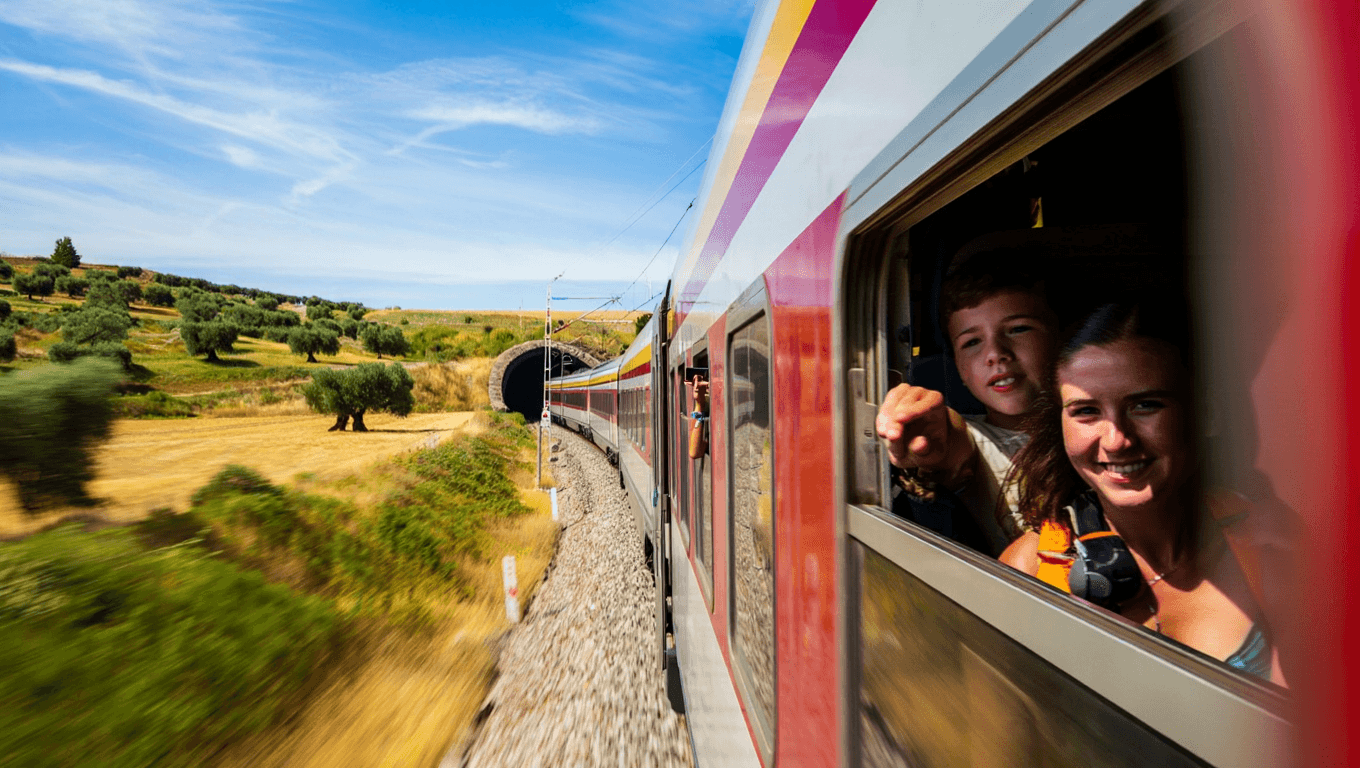
Travelers swapping short-haul flights for rail are finding the Madrid–Barcelona corridor hard to beat: it combines speed, frequent services and city-center arrivals, and today carries the lion’s share of journeys between Spain’s two largest cities. That shift matters not just for convenience but for how people choose to move across Europe’s busiest domestic route.
Quick facts at a glance
- Departure: Madrid Atocha
- Arrival: Barcelona Sants
- Distance: 506 km (about 314 miles)
- Typical direct journey time: ~2 hours 30–40 minutes
- Main operators: Renfe (AVE, AVLO), Ouigo, Iryo
- Booking: operator websites and third‑party platforms show different fares and flex options
Why this route matters now
Once Europe’s busiest short-haul air link, the Madrid–Barcelona line now absorbs roughly three-quarters of travellers who previously flew between the capitals. The result is a high-frequency rail corridor that reduces travel time door-to-door for many passengers and is increasingly central to efforts to replace short flights with lower‑emission alternatives.
What to expect at Atocha
Madrid’s main high-speed hub sits part historic trainshed, part modern transport complex. The station’s indoor garden and cafes create an odd, welcoming contrast to the efficient boarding routines that follow.
Don’t treat access to the platforms like a typical commuter train: you will go through a compact security check and then usually wait in a departure area before a ticket inspection at the platform. Plan on at least 30 minutes before departure to clear security and locate your carriage.
The onboard experience and fare types
Services on the corridor use trains capable of around 300 km/h. Although top speed is similar across operators, trains differ in seating layout, catering and flexibility of fares.
Renfe’s AVE fares are commonly sold in tiers that trade price for flexibility: the cheapest options restrict changes and refunds, mid-range fares add seat choices and some changeability, and the highest tiers include the broadest rebooking privileges and enhanced seats. Low-cost high-speed services such as AVLO offer stripped-back pricing, while Ouigo and Iryo each field their own seat classes and onboard services.
The route and scenery
After leaving Madrid the landscape shifts quickly from urban fringes to open plains. If you choose an express you’ll sweep between the capitals in roughly two and a half hours; stopping services add between 20 and 45 minutes but can open up worthwhile breaks.
Stops such as Zaragoza provide a chance to sample local food and an old town well suited to an overnight pause. Closer to the coast, the train skirts the hills around Camp de Tarragona before the Mediterranean appears — a reminder that the line arrives not just in a city but on a region’s seaside doorstep.
Arrival in Barcelona
Barcelona Sants is efficient but largely subterranean; you’ll emerge into the city from deep platforms and must connect by metro or suburban rail to reach neighbourhoods like the Barri Gòtic, Montjuïc or the beachfront. For many visitors the Sants terminus feels practical rather than picturesque, but it puts the entire metropolitan area within easy reach.
Travel beyond Barcelona remains straightforward: high-speed tracks continue north toward Figueres and into France, and some international services already push into Marseille and Lyon. Plans by other operators to extend direct links further into France could expand those options in coming years.
Practical tips
- Arrive early: allow 30–45 minutes for security checks and boarding, more at peak times.
- Choose your fare for flexibility: cheaper tickets save money but limit changes; premium fares include greater rebooking rights and extra comforts.
- Consider a stopping train: a slightly longer trip can let you explore cities like Zaragoza without backtracking.
- Operator differences: AVE, AVLO, Ouigo and Iryo vary in seat width, catering and luggage rules — compare before you buy.
- Connections: from Barcelona Sants you’ll usually need a short metro or regional train ride to reach central tourist areas.
This account draws on material published in a recent book about notable rail journeys worldwide (published 2025) and on direct observation of services running on the Madrid–Barcelona corridor. For current timetables and the best available fares, check operator sites or reputable ticket platforms before travelling.
Similar Posts
- Explore Spain by Train: Eco-Friendly Travel Has Never Been More Delightful!
- London to Edinburgh by Caledonian Sleeper: what to expect on the overnight train
- Essential Sydney Travel Guide: Navigate the City Like a Pro
- Europe’s Night Trains: A Game-Changer for Travelers Seeking Alternatives to Flying!
- Seville to Lisbon overland: trains, buses beat flights for cheaper, scenic travel

A globe-trotter and international trade enthusiast, Oliver explores the connection between business travel and trade opportunities.

