
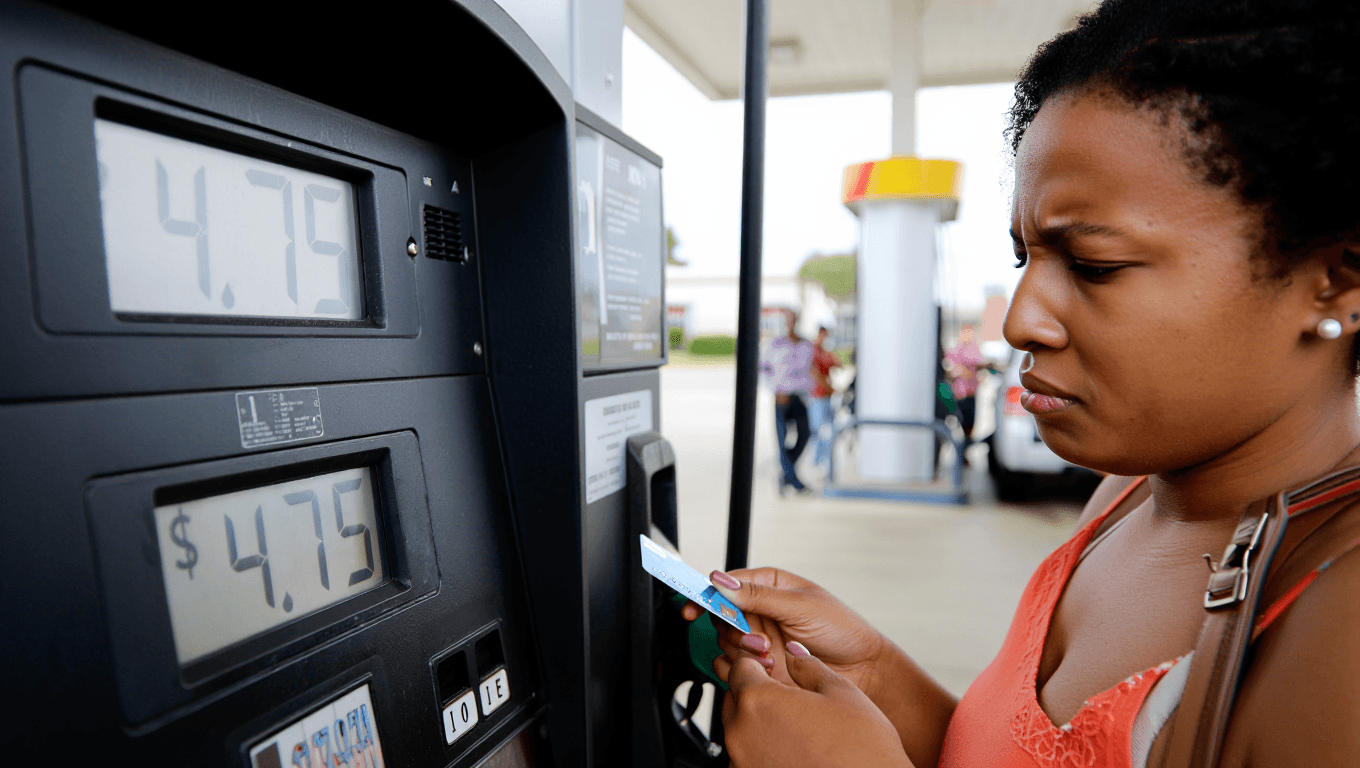
Retail gasoline today costs roughly half again as much as it did before the outbreak of the Iran war, a jump that is already reshaping household budgets and business costs. The price surge has immediate consequences for commuting, freight and inflation — and it is changing how policymakers and markets are responding to energy risk.
Why prices have climbed
The increase is a compound of several pressures that pushed pump prices well above pre-conflict levels. At the core is a higher price for crude oil, amplified by a growing geopolitical risk premium and added costs throughout the supply chain.
- Supply disruptions: Tighter access to some Middle East crude grades and concerns about tanker safety have reduced available seaborne supplies in the short term.
- Market risk premium: Traders are pricing in the chance of wider disruptions, which lifts spot crude and refined-product values.
- Higher transport and insurance costs: Firms moving fuel through contested waters face sharper insurance premiums and route changes, which are passed on to consumers.
- Refinery constraints and maintenance cycles have tightened refined fuel output in some regions, leaving less leeway when demand rises.
- Policy responses such as sanctions or export controls add uncertainty and can abruptly remove barrels from the market.
Who is affected — and how
Households feel the effect first at the pump. For many commuters, a 50% rise in gasoline costs translates into a meaningful hit to monthly budgets, particularly for families without reliable transit alternatives.
Businesses that depend on road transport — delivery services, taxis, regional freight operators — are facing higher operating costs that typically filter into consumer prices for goods and services. That, in turn, complicates inflation trends and central-bank forecasts.
Energy-intensive industries and agricultural producers are also vulnerable; higher fuel input costs can reduce margins or force price increases downstream.
Policy and market responses
Governments and central banks are navigating trade-offs. Some administrations may consider temporary relief measures such as targeted subsidies, reduced fuel taxes or strategic-reserve releases to blunt short-term pain. Central banks, meanwhile, must weigh persistent energy-driven inflation against slowing growth.
On the market side, traders and refiners are watching three key indicators closely: crude-production announcements, shipping-cost trends and diplomatic developments that could alter regional supply flows. A de-escalation would likely relieve the risk premium and ease prices; further escalation would do the opposite.
Short list: what to watch next
- Announcements on crude output from major producers or export restrictions
- Shipping-insurance rate movements and reported tanker route changes
- Refinery run rates and scheduled maintenance that could tighten refined-fuel availability
- Policy moves such as temporary tax relief or strategic stock releases
The near-term outlook is for continued volatility. If diplomatic channels reduce the risk of supply interruption or if additional barrels come online from other producers, pump prices could moderate. Absent those developments, consumers and businesses should expect fuel costs to remain elevated compared with the pre-conflict baseline.
For now, the most immediate effect is visible at the checkout: higher bills for everyday travel and a renewed spotlight on energy security — a reminder that geopolitical shocks can be transmitted quickly to the household budget.
Similar Posts
- Oil prices breach $100 again: eighth straight week of gains amid Iran conflict
- Oil prices hit new highs as markets worry war could drag on
- Oil prices climb on Iran tension fears after Trump’s threat of US strike
- Oil prices climb after Iran conflict intensifies: markets shrug off Trump’s denials
- Oil surges 5% in fresh market shock: drivers could see higher pump prices

A logistics expert, Ethan shares tips to optimize supply chains and reduce freight costs in global trade.

