
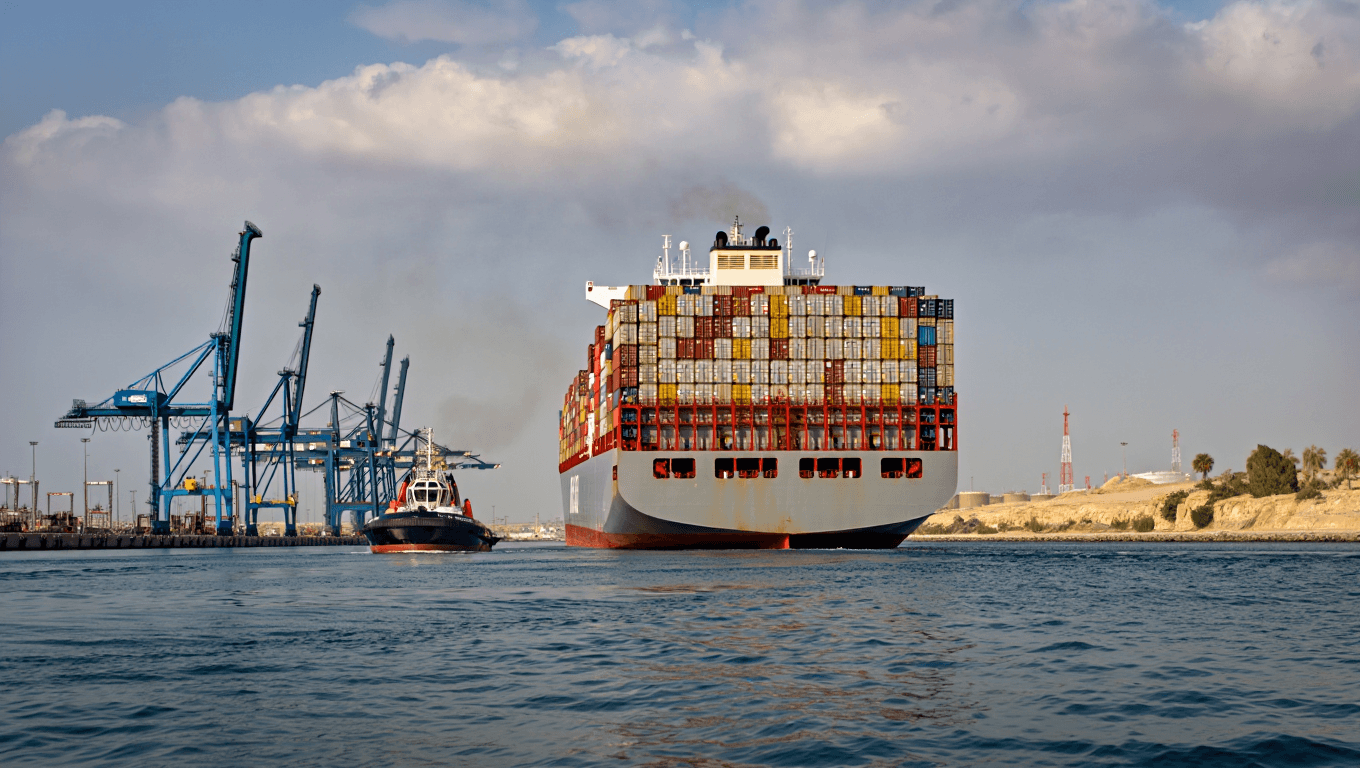
Shipping companies are caught between sudden operational shifts and fragile market signals as uncertainty over when the Strait of Hormuz will fully reopen reverberates through global trade. The delay or partial resumption of traffic through this strategic chokepoint is already reshaping voyage plans, insurance costs and delivery timelines for energy and container shipments.
For carriers and charterers the immediate problem is simple: routes that were predictable a week ago are suddenly costly or unavailable. Firms that hedged schedules and fuel needs now face last-minute rerouting, while brokers and insurers are adjusting premiums on the fly.
Operational ripple effects
Vessels unable to transit the strait are diverting to longer, more expensive corridors or waiting at anchor, producing a cascade of consequences. Longer voyages increase fuel consumption and reduce the frequency with which ships can complete trips; anchored tonnage ties up capacity and strains port slots at alternative hubs.
Several commercial pressures are converging at once: higher voyage costs, compressed schedules for downstream customers, and sharper bargaining over contract terms. The result is an unpredictable mix of spot-market spikes and contractual disputes that can slow cargo movement beyond the immediate region.
What’s changing for markets and logistics
Market participants are already pricing in the uncertainty. Key moves to watch include shifts in freight indices, short-term increases in charter rates for quick cover, and a tightening of war-risk and hull-and-machinery cover in affected lanes. All of these feed into higher landed costs for fuel and freight-sensitive goods.
- Transit delays: Longer or suspended passages through the Strait increase voyage times and create backlog risk at origin and destination ports.
- Rerouting costs: Diversions around alternative passages add fuel and time expenses that shipowners and charterers must allocate.
- Insurance pressure: Underwriters typically raise premiums when a high-risk maritime corridor is disrupted, squeezing operator margins.
- Port congestion: Nearby hubs can experience sudden surges in traffic as carriers seek space or temporary anchorage.
- Commodity volatility: Oil and liquefied gas markets respond quickly to transit interruption, affecting pricing and refinery scheduling.
How different players are responding
Major container lines and tankers are taking a range of short-term measures: seeking alternative routings, postponing sailings, or running ships light to reposition tonnage faster. Charterers are scrambling for cover on the spot market, pushing up short-term freight levels.
Ports in the wider Arabian Sea, the Gulf of Oman and along the East African coast are preparing for a potential influx of bypassed traffic. Meanwhile, terminals in the Gulf that normally rely on steady flows through Hormuz are facing unpredictable windows of activity that complicate labor and berth planning.
Quick reference: who feels the pain and why
| Stakeholder | Immediate impact | Why it matters |
|---|---|---|
| Oil and gas traders | Price volatility, shifted cargo schedules | Delays change refinery runs and prompt market re-balancing |
| Shipowners | Higher fuel bills, altered itineraries | Margins erode if additional costs cannot be passed on |
| Insurers | Raised premiums, coverage restrictions | Limits the pool of available cover for risky transits |
| Ports and terminals | Surge or drop in calls, berth congestion | Affects local economies and labor planning |
| Shippers and consumers | Delivery delays, higher freight costs | Supply-chain schedules and prices are impacted |
Analysts and logistics managers say the situation will hinge on two variables: the timeline for restoring reliable, safe transit through the strait, and whether insurers are willing to resume normal underwriting terms. Both influence whether the market rebalances quickly or whether costly detours become the default for weeks.
Near-term indicators to watch are changes in published transit advisories, insurance filings that reveal premium adjustments, and freight-rate movements on major routes linking Asia, Europe and the United States. Each signal will tell whether firms can revert to previous schedules or must rework long-term routing strategies.
For now, the uncertainty is the defining feature: shipping firms must balance the costs of waiting against the expenses of rerouting, all while customers press for predictable deliveries. How that balance is struck will determine not just quarterly results for carriers but the pace at which goods — and energy — flow to markets worldwide.
Similar Posts
- Shipowners cut Hormuz transits: shipping delays and higher freight rates likely
- Oil slips as potential Strait of Hormuz deal eases supply fears
- U.S. expands insurance backstop for Strait of Hormuz to $40 billion
- Gulf tankers attacked again: Middle East shipping disruptions escalate
- Oil dips while Strait of Hormuz stays closed, traders shrug off supply risks

A logistics expert, Ethan shares tips to optimize supply chains and reduce freight costs in global trade.

