
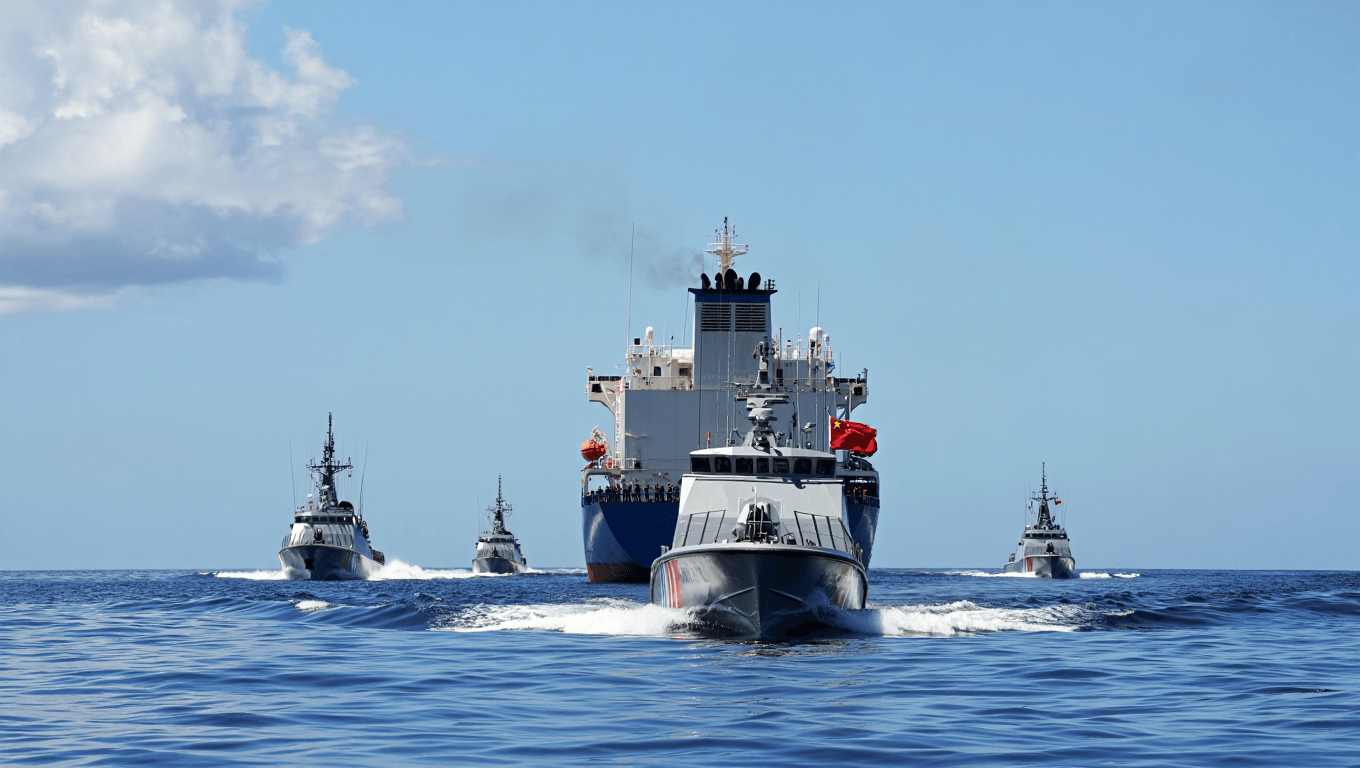
U.S. officials say Chinese vessels have recently interfered with merchant ships flying Panama’s flag, escalating tensions over maritime safety and the rules that govern international shipping. The claims put fresh focus on how coastal power behavior can ripple through global trade, insurance costs and diplomatic channels.
According to U.S. statements, multiple Panama-flagged commercial vessels encountered close-quarter maneuvers and radio interference while transiting key sea lanes in the western Pacific. The incidents, described by Washington as deliberate and unsafe, prompted a formal protest through diplomatic channels.
Why this matters now
Commercial ships registered under Panama — one of the world’s largest registries — carry cargo that feeds global supply chains. Any pattern of harassment raises immediate questions about the security of transit routes and the costs of moving goods.
For shippers and insurers, even isolated confrontations can translate into higher premiums, route changes and slower deliveries. For governments, recurring incidents test the limits of acceptable behavior at sea and the resilience of international maritime law.
Key consequences for shipping and policy
- Maritime safety: Close maneuvers increase the risk of collisions and hamper crew ability to respond to emergencies.
- Economic impact: Disruptions can drive up shipping times and insurance rates, affecting consumers and exporters.
- Legal and diplomatic pressure: Affected states may lodge protests, seek multilateral support, or press for clarifying rules under international law.
- Security responses: Persistent incidents could prompt more naval escorts or freedom-of-navigation operations by other states.
Panama’s registry is frequently chosen for its administrative convenience, a practice known as a flag of convenience. That status makes incidents involving Panama-flagged vessels geopolitically consequential: the complaints can implicate not only the shipowner’s country but also the flag state responsible for vessel oversight.
Beijing has not corroborated the specific allegations in detail in publicly available statements. U.S. officials emphasize the need for predictable behavior in international waters and point to established norms that govern conduct at sea, including provisions of the United Nations Convention on the Law of the Sea (UNCLOS).
What authorities and industry players are likely to do next
Diplomatic notes and public statements are typical first steps. Shipping companies may reassess routes or request naval escorts in high-risk corridors. Insurance underwriters will review exposures and could adjust war-risk premiums where the threat is deemed elevated.
Meanwhile, maritime organizations and port states will monitor incident reports to determine whether patterns emerge that require collective action or rule clarifications.
What to watch
Watch for:
- formal diplomatic protests lodged by Panama or other affected states;
- updates from shipowners and insurers about route or policy changes;
- naval deployments or freedom-of-navigation operations in the area;
- statements from Beijing clarifying its view or offering its account of any encounters.
As the situation unfolds, the immediate concern is practical: ensuring the safe passage of commercial vessels. The broader significance will hinge on whether these incidents remain isolated or become a sustained pattern that compels a coordinated international response.
Similar Posts
- Iran restricts Strait of Hormuz passages: transit allowed only under strict terms
- US plans Strait of Hormuz convoy protection by April: Trump dismisses oil surge
- Strait of Hormuz: nations pursue diplomatic moves to reopen vital shipping lane
- US to underwrite and escort tankers through Strait of Hormuz: Trump vows
- U.S. expands insurance backstop for Strait of Hormuz to $40 billion

A logistics expert, Ethan shares tips to optimize supply chains and reduce freight costs in global trade.

