
India’s wildlife reserves are again drawing intense attention as travelers seek sightings and conservation-minded experiences—making planning essential this season. Limited permits, seasonal closures and surging demand mean timing, transport and lodging choices now determine whether a safari is unforgettable or frustrating.
What a true Indian safari really feels like
The attraction isn’t staged spectacle but slow discovery: dawn light filtering through trees, birds raising alarm calls and the occasional thunder of distant hooves. Drives begin in the cool pre-dawn hush; sometimes hours pass with only rustling leaves and insects for company, then an animal appears and the wait is suddenly justified.
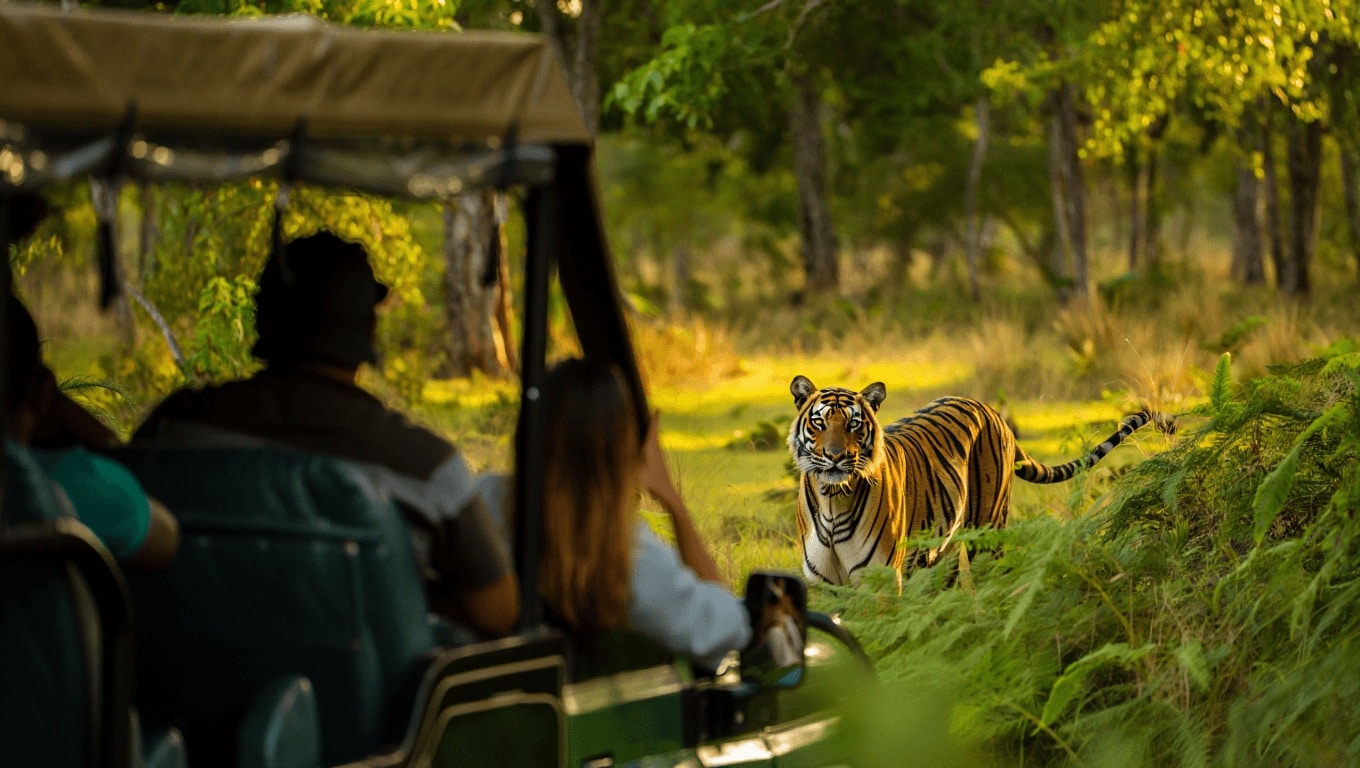
Encounters vary: a solitary tiger slipping through scrub, an elephant moving steadily across a grassland, or rhinos grazing in flooded plains. That uncertainty—knowing that sightings are earned, not guaranteed—is what most visitors remember.
Picking the right park for what you want to see
Different parks suit different priorities. Some are better for large mammals, others for birds, and a few offer dramatic backdrops that make photographs stand out.
- Bandhavgarh and Tadoba — High probability of tiger sightings thanks to dense populations and open terrain.
- Ranthambore — Dry forest and sandstone ruins create striking scenes for photographers and first-time visitors.
- Kaziranga — Floodplain habitat where one-horned rhinos and large grazing herds dominate.
- Corbett — Riverine forests that favor elephants and a wide variety of birds.
- Kanha — Expansive meadows and rich biodiversity, including the endemic barasingha (swamp deer).
Timing and seasonality: when to go
Most parks operate on a seasonal calendar shaped by monsoon and wildlife patterns. Core zones often close during the heaviest rains to allow habitats to recover.
Broad guidance:
- October–December: Cooler temperatures and comfortable conditions for drives; foliage can still be thick in some areas.
- January–March: Grass thins, visibility improves and predator movements become easier to spot.
- April–June: Concentrated activity around water sources, but heat can be intense.
Booking strategy: permits, slots and timing
Permits are finite and often allocated on a first-come basis. In recent seasons demand has outpaced supply on many popular routes, so early reservations are a practical necessity rather than an optional convenience.
As a rule of thumb, plan to reserve safaris and key accommodations at least three months ahead for peak months; five months is safer if you want specific zones or a private vehicle. Some states provide online booking; others still work through lodge partners who can secure tickets on your behalf.
Airports and travel logistics
Accessibility differs widely across India: some parks sit close to major airports, while others require long drives through rural roads. Think of airports as gateways that shape transfer times and cost.
| Park | Nearest major airport | Best months |
|---|---|---|
| Kanha, Bandhavgarh, Pench | Jabalpur / Nagpur | October–June |
| Ranthambore | Jaipur (or Delhi via road) | October–April |
| Corbett | Dehradun | October–June |
| Kaziranga | Guwahati | November–May |
| Tadoba | Nagpur | October–June |
What to expect on a drive
Typical safaris begin well before sunrise and last several hours. Vehicles register at entry gates and drives follow predetermined routes monitored by park authorities. Guides watch for signs—pugmarks, alarm calls, disturbed grass—that hint at animal movement.
Not every trip yields a headline sighting. Many drives produce close study of smaller species, compelling birdlife and the subtler rhythms of the forest. Afternoon outings are shorter and often more relaxed.
Packing: practical items that matter
Pack for comfort and safety, not fashion. Layered clothing is essential—mornings can be cold, afternoons warm. Neutral tones reduce visibility to wildlife. Essentials include a warm jacket, sturdy shoes, hat, sunscreen, insect repellent and a refillable water bottle.
Tip: Dust and sun are constant companions; protect optics and electronics in sealed bags.
Choosing where to sleep
Accommodations range from simple, government-run forest rest houses to luxury lodges that include guided experiences and bespoke meals. Few properties sit inside strict park boundaries; most are clustered near gate entrances to allow swift access for early drives.
High-end operators often supply naturalists and complementary services that can improve sighting odds, but midrange camps with knowledgeable guides also deliver strong results—especially in parks with healthy wildlife populations.
Travel responsibly
Tourism revenue funds anti-poaching patrols and habitat upkeep in many reserves. Choose operators that employ locals, follow sustainable practices and contribute to community initiatives. On drives, follow park rules: remain seated, keep noise low and never pressure guides to disturb animals.
Minimize waste, carry refillable containers and accept that the healthiest parks balance visitor access with strict conservation measures.
Final perspective
With demand rising and permit systems tightening, successful safaris now hinge on careful planning as much as luck. Decide what matters—big-cat encounters, birding, dramatic landscapes—book early and choose guides and lodges that prioritize both visitor experience and the long-term health of the parks.
Similar Posts
- Top 8 Tiger-Watching Spots for 2024: Plan Your Wild Encounter!
- Explore Wild Spain: Ultimate Guide to National Parks and Exotic Wildlife!
- Sri Lanka safari hotspots: where to see elephants, leopards and other wildlife now
- Explore America’s Best: The Ultimate Guide to All 63 U.S. National Parks
- Discover 9 Stunning Wetlands: Perfect Spots for Wildlife Watching!

A globe-trotter and international trade enthusiast, Oliver explores the connection between business travel and trade opportunities.

