
Updated November 2024 — Despite its compact size, Sri Lanka is one of South Asia’s richest wildlife destinations, offering everything from land giants to ocean leviathans. Below are the island’s standout wildlife locations, practical timing and access notes, and clear guidance on observing animals without harming them.
Yala National Park
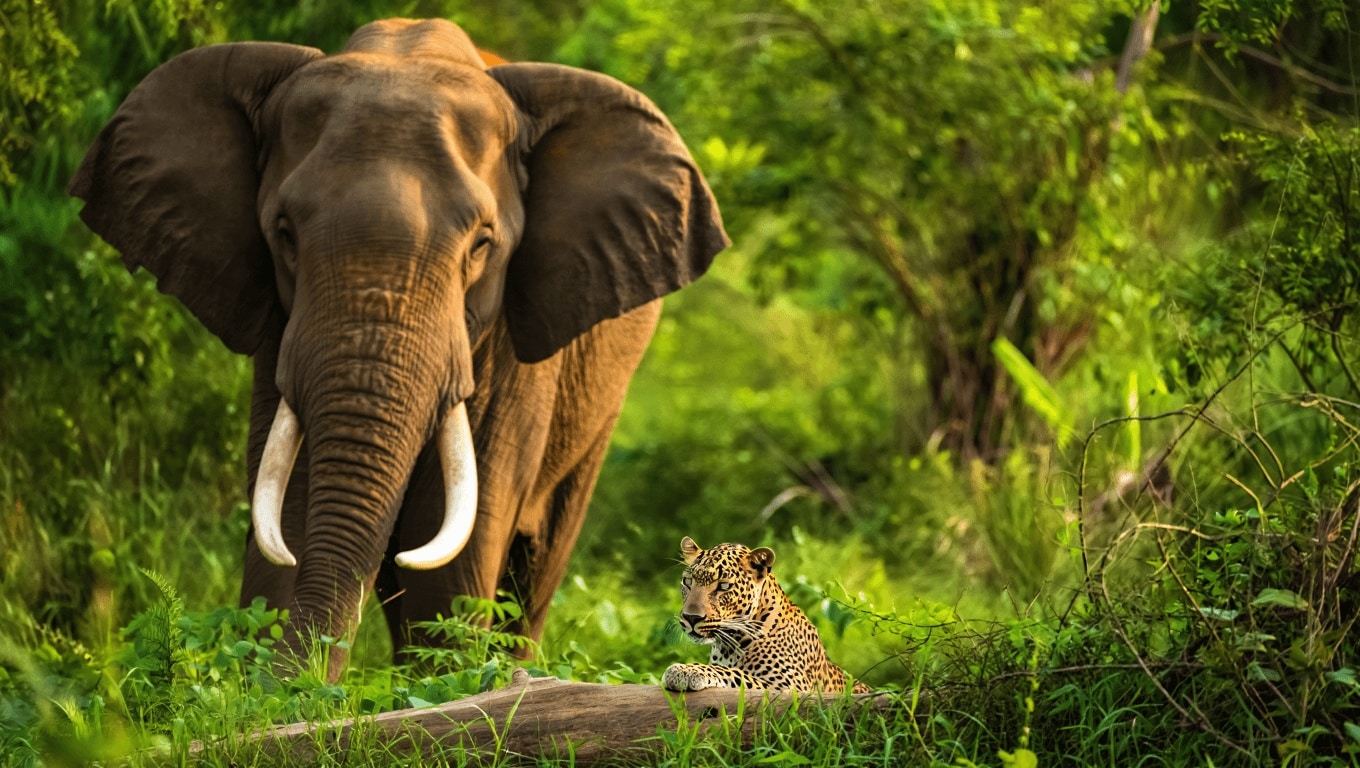
Yala is the country’s most visited reserve, a mosaic of dry forests, open grasslands and permanent pools that attract a wide array of species. It’s particularly famous for hosting a remarkably high density of leopards—the subspecies commonly seen here is endemic to the island.
Beyond big cats, Yala supports elephant herds, sloth bears, jackals and an extensive bird list. Most visitors concentrate in the western sector known as Block I, reachable from the nearby tourist hub of Tissamaharama.
Travelers seeking quieter sightings can enter through less frequented gates to the park’s northern reaches, though expect rough tracks and fewer guaranteed encounters. The most practical way to explore is by hiring a 4×4 and a local guide.
Minneriya National Park
Centered on the ancient Minneriya tank, this compact park becomes a focal point for wildlife when water levels fall. The seasonal congregation of elephants around the drying reservoir creates one of the island’s most dramatic natural spectacles.
Birdwatchers will find waders and pelicans in the shallows, while mammals such as buffalo and sambar deer also use the drying margins. Early morning bird activity and late-afternoon elephant movements are the best windows for visitors.
Uda Walawe National Park
Uda Walawe feels more open and savannah-like compared with Sri Lanka’s denser parks. Its reservoir is the region’s life source and draws consistently large numbers of elephants—often in sizeable herds—making the park a global hotspot for elephant viewing.
Other residents include buffalo, various deer species, sloth bears and occasional leopards. Book early or late safaris to coincide with peak animal activity and consider asking drivers to avoid crowded viewing spots.
Kumana National Park
On the east coast, Kumana offers a markedly different tone: mangrove channels, lotus-choked lagoons and near-deserted tracks. Formerly grouped with Yala, Kumana now presents a less developed, more solitary option for those who want fewer vehicles and more uninterrupted habitat.
Highlights include shorebirds, rare storks and the possibility of encountering sloth bears and leopards. Safaris are typically arranged from Arugam Bay and can run as half- or full-day trips depending on how deep into the reserve you want to go.
Mirissa and offshore waters
The deep waters off Mirissa and nearby Dondra Head are among the best places on earth to encounter the blue whale. Boat operators also report sightings of fin whales, sperm whales and large groups of spinner dolphins.
Whale-watching is seasonal but possible year-round; peak months tend to cluster around December and April, while the monsoon-affected period (May–July) often brings rougher seas. Look for operators who follow spacing rules and keep a respectful distance from cetaceans.
| Location | Standout species | Best time | Quick access note |
|---|---|---|---|
| Yala National Park | Leopard, elephant, birds | Year-round; mornings and late afternoons best | Most visitors use Block I (Tissa); 4×4 essential |
| Minneriya | Elephants, waterbirds | Dry season (Apr–Oct) for large congregations | Commonly visited from Sigiriya or Polonnaruwa |
| Uda Walawe | Elephants (large herds) | Year-round; dawn/dusk for activity | Easy day trips from nearby towns; book 4×4 at gate |
| Kumana | Waders, storks, occasional leopard | Seasonal bird concentrations; avoid peak rains | Best reached from Arugam Bay; limited entrances |
| Mirissa (offshore) | Blue whale, other large cetaceans | Year-round sightings; December & April popular | Choose licensed operators that respect approach limits |
How you watch wildlife matters. Small choices by visitors can reduce stress on animals and support conservation outcomes.
- Prefer small groups and licensed guides; ask how many boats or vehicles they allow near an animal before you book.
- On land, request your driver keep a safe distance and switch off the engine when stationary to avoid crowding or corralling animals.
- At sea, insist operators adhere to recommended approach distances (typically 100 m for large whales) and avoid vendors that promote swimming with whales or aggressive pursuit.
- Avoid facilities that offer direct, commercial interaction with elephants unless they can demonstrate transparent, welfare-focused care. Reputable alternatives include accredited rescue or rehabilitation centers.
- Carry water, sunscreen and light rain gear; many park entrances have limited services and long waits are possible.
These sites reflect both Sri Lanka’s biological richness and growing attention to ethical tourism. Visiting thoughtfully — timing trips, choosing experienced guides and minimizing disturbance — helps maintain the island’s wildlife for the next generation of travelers.
Updated from our Sri Lanka field guide (November 2024).
Similar Posts
- Uncover Thailand’s Ethical Elephant Encounters: Choose Wisely and Responsibly!
- Discover 9 Stunning Wetlands: Perfect Spots for Wildlife Watching!
- Thailand’s elephant tourism faces overhaul: new rules that could upend visits
- Top 8 Tiger-Watching Spots for 2024: Plan Your Wild Encounter!
- Master 8 Key Leave No Trace Principles: Transform Your National Park Visit

A globe-trotter and international trade enthusiast, Oliver explores the connection between business travel and trade opportunities.

