
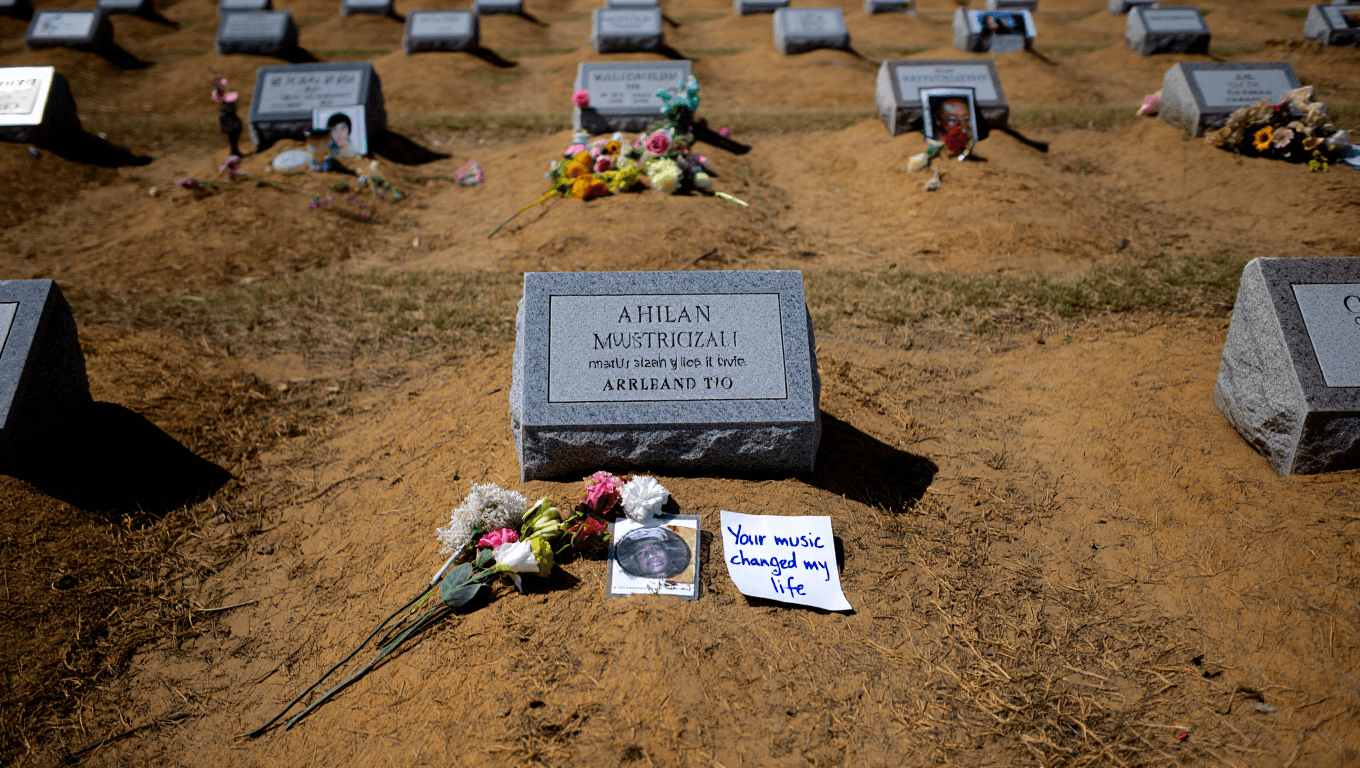
I was in a small cemetery in Arlington, Texas, on a hot afternoon — not to mourn, but to visit the graves of musicians whose music shaped my adolescence. The scene — polished headstones, faded flowers and handwritten notes — underscored a growing reality: cemeteries are no longer only private places of grief but public sites of memory and tourism.
Cemeteries now draw millions of visitors worldwide, sometimes rivalling major museums for footfall. That popularity raises practical and ethical questions that matter today: how to act when a burial ground doubles as a tourist attraction, and when to step back and let a place of mourning remain undisturbed.
Why people visit burial sites
Graveyards connect present-day visitors to personal and collective histories. For some, they are quiet places of reflection; for others, they are destinations — think of Père Lachaise in Paris, which attracts crowds on par with the city’s large cultural institutions. Urban necropolises like Highgate in London or Hollywood Forever in Los Angeles sit somewhere between solemn landscape and public park, drawing photographers, history buffs and fans.
That popularity can create awkward moments. A picnic near a memorial might look disrespectful, even if the picnickers are unaware. Conversely, someone sitting on a stone could be in private mourning. When visiting, context matters as much as curiosity.
Conduct in active cemeteries
When gravesites still accept burials, treat them with the same decorum you’d show in a place of worship: modest clothing, low voices and restrained behavior. Travel writers who study sites tied to death advise extra care in unfamiliar cultural settings — what’s acceptable in one country may deeply offend in another.
Respectful intent should guide decisions: whether to leave flowers, take photographs or move through the space with a tour group. If you encounter mourners, give them room. If signage or staff set rules, follow them.
Photography, privacy and permission
Photography is a frequent stress point. Many visitors want to document their trip, but images that include names, grieving relatives or private memorial offerings can feel intrusive. Curators of cemetery databases and travel researchers suggest composing photos to exclude people and, where possible, editing out identifying inscriptions before publishing.
At sensitive sites, ask for permission when in doubt and be wary of posting images that could expose private sorrow or the identities of those interred.
Sites of mass tragedy: extra care required
Places tied to mass suffering — from First World War cemeteries to genocide memorials such as Cambodia’s Killing Fields — demand heightened sensitivity. Some memorials explicitly prohibit celebratory behaviour and certain kinds of photography. Contributors to dark-tourism projects urge visitors to avoid selfies at these sites, arguing that such images can trivialize the gravity of what occurred.
Do preparatory reading before you go. Understand the historical context and how local communities remember the events; that background informs what is respectful. Academics studying tourism and death warn that commercial activity can blur lines between education and exploitation — turning sites of memory into consumer attractions.
Private pilgrimages and fan shrines
Digital archives and memorial databases make it easier than ever to find graves off the usual tourist trail. Fans, descendants and curious travellers often undertake personal visits to pay respects, leaving tokens or notes. Such pilgrimages can be meaningful, but they also raise questions about appropriate behaviour.
At the graves of public figures — musicians, artists, activists — tributes like flowers or small mementos are common and often welcomed. Boisterous displays, drinking, or posing over a headstone are typically seen as disrespectful. When a site attracts regular visitors, local attitudes may shape what’s acceptable; observe and follow local custom.
- Learn local norms: Read up on cultural and historical context before you visit, and check any posted rules at the site.
- Avoid intrusive photos: Frame images to exclude names and people, and don’t post photos that could identify mourners.
- Keep noise low: Speak softly and switch phones to silent; behaviour that’s fine in a park can be jarring in a cemetery.
- Think about offerings: Small tributes are usually acceptable, but avoid leaving anything that could damage monuments or the environment.
- Prioritise safety: Some cemeteries, especially remote ones at night, can attract illicit activity — plan visits during daylight and with company when appropriate.
Visiting cemeteries can be a moving way to connect with history, culture or personal memory. The simplest rule is also the most practical: act from consideration. When curiosity and compassion guide behaviour, graveyards remain powerful places of remembrance rather than spectacles for consumption.
Similar Posts
- Explore the Richness of Māori Culture: Your Ultimate Guide to New Zealand Tourism
- Lahaina Fire Update: Essential Info for Travelers on Water Rights & Native Hawaiian Impact
- Mallorca Urges Tourists: Commit to Protecting Our Island’s Stunning Beauty
- Hawaii travel: 16 practical habits visitors should adopt to protect the islands
- Eco-Friendly Travel Tips: 6 Easy Ways to Positively Impact Your Next Trip

A globe-trotter and international trade enthusiast, Oliver explores the connection between business travel and trade opportunities.

