
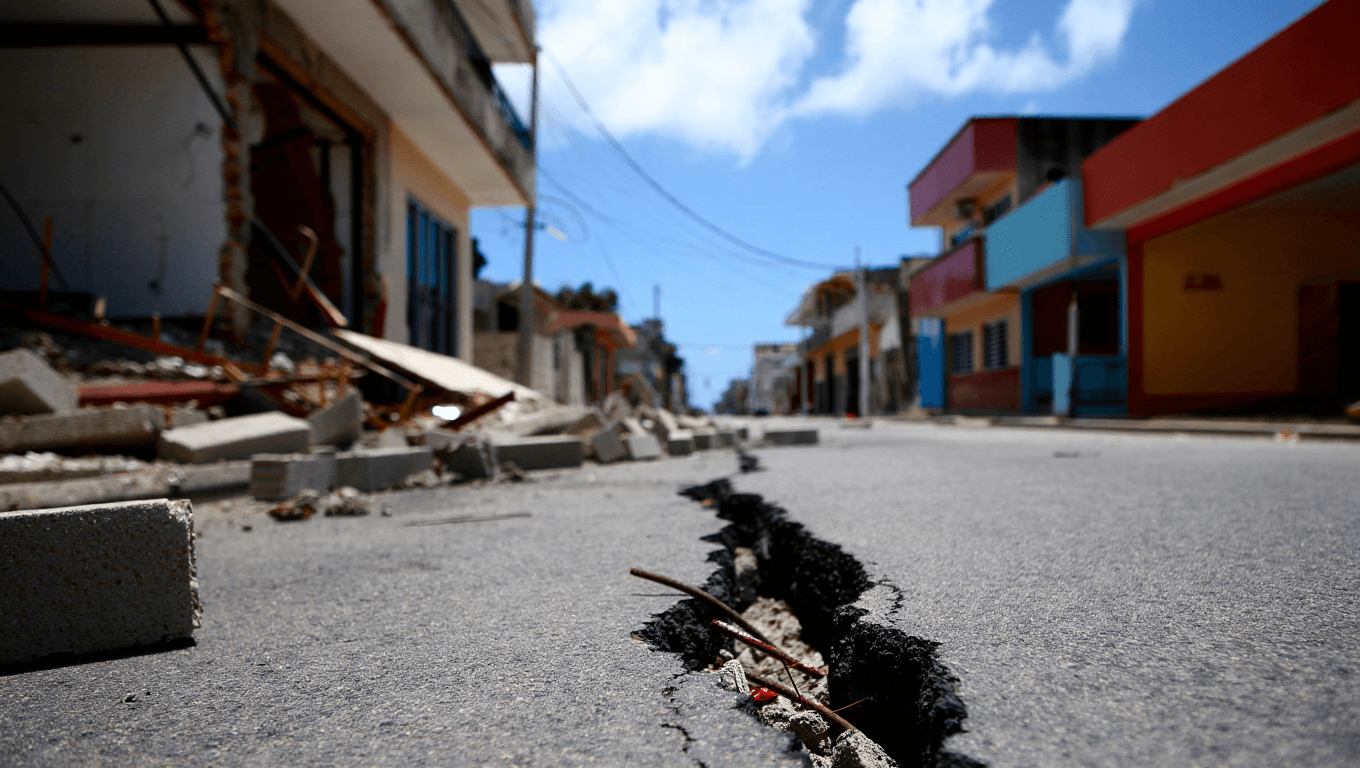
The string of earthquakes that began in late December 2019 and peaked with a magnitude 6.4 temblor in early January has left pockets of southern Puerto Rico visibly damaged — but much of the island remains open to visitors. Knowing where the destruction is concentrated and which services are running matters now: tourism helps fuel recovery, and travelers can make informed choices that support affected communities.
Where the shaking was concentrated
According to the U.S. Geological Survey, more than 300 seismic events have been recorded along Puerto Rico’s southwest coast since December 2019. The strongest, a 6.4-magnitude quake on January 7, 2020, produced the largest reported jolt in about a century and triggered widespread aftershocks.
The damage is geographically limited. The hardest-hit municipalities are clustered in the southwest — Guánica (the epicenter), Guayanilla, Peñuelas, Yauco and some sections of Ponce. Thousands of residents in those towns were temporarily displaced, most precautionary as aftershocks continued in the weeks that followed.
What landmarks and attractions were affected
Several southern sights suffered major damage. A notable natural arch that drew day-trippers collapsed, historic churches and older masonry buildings sustained structural failure, and parts of Ponce’s waterfront promenade developed large cracks.
That said, many of the island’s signature attractions were not impacted. Sites in the north — Old San Juan, the forts of El Morro and San Cristóbal, and most museum attractions — remained open. The island’s rainforest, El Yunque, reported no significant structural damage after an initial inspection.
Is tourism and transport operating?
Yes — for the most part. Commercial flights continued at major airports, and ferries to Vieques and Culebra were running. Cruise ships kept docking at northern ports. Local taxi and rideshare services remained active, and car rental options were available islandwide.
Travelers should be cautious when heading to the southwest. A small number of hotels and guesthouses in the affected towns closed temporarily; anyone booked in those areas should confirm directly with their accommodation. Road conditions can change after seismic events, so check local transportation advisories before setting out.
Practical steps before you go
- Check authoritative updates from the USGS and the Puerto Rico Seismic Network for aftershock forecasts and alerts.
- Contact your hotel or rental property to confirm operations and any special arrival instructions.
- Review current road and bridge statuses with the Puerto Rico Department of Transportation if you plan to drive, especially in southern municipalities.
- Confirm ferry and flight schedules if visiting Vieques, Culebra, or regional airports.
- Bring travel insurance that covers natural disasters and possible itinerary changes.
How visitors can help recovery
Local leaders advise against flying in with unsolicited donations or supplies. Ports and stores are functioning, and purchasing needed items locally helps the economy. Financial contributions to established on-the-ground groups are typically the most effective way to support relief.
- Donate to vetted organizations already working in affected communities, such as Love in Motion, ConPRmetidos, and Giving Life.
- Choose locally owned hotels, restaurants and tour operators so tourist dollars stay in the community.
- Volunteer through reputable local programs rather than arriving uncoordinated — efficient relief depends on logistics and local leadership.
Voices from the island
Community tourism operators report that northern districts are functioning normally, with ports open and businesses operating. Tour guides and hoteliers contrast the current situation with Hurricane Maria: unlike that disaster, power and water infrastructure have broadly held up this time, allowing most services to continue.
But local tour operators and heritage managers emphasize that recovery is uneven. Some historical structures already weakened by past storms or long-term neglect sustained new damage and will require time and funding to repair.
Should you book a trip now?
If your destination is outside the small cluster of southern towns that bore the brunt of the quakes, travel is generally possible and many popular attractions remain accessible. Two considerations should guide your decision: safety monitoring from seismic authorities and whether your visit will benefit local communities.
As one tourism official put it, visitors play an important role in economic recovery. Traveling responsibly — confirming accommodations, supporting local businesses and donating to established relief efforts — can offer meaningful help while allowing you to experience the island.
Quick reference
- Event timeline: Seismic activity began December 27–28, 2019; major quake on January 7, 2020; significant aftershocks followed in early to mid-January.
- Most affected towns: Guánica, Guayanilla, Peñuelas, Yauco, parts of Ponce.
- Major tourist areas open: Old San Juan, El Morro, San Cristóbal, El Yunque, northern cruise ports.
- Monitor: USGS and Puerto Rico Seismic Network for updates before and during travel.
Similar Posts
- Discover Puerto Rican Culture: Best Classes in San Juan Revealed!
- Explore Puerto Rico Sustainably: Top Eco-Friendly Travel Tips!
- Lahaina Fire Update: Essential Info for Travelers on Water Rights & Native Hawaiian Impact
- Sicily Divide bike route: expert tips to prepare for a self-guided cycling adventure
- FEMA Explained: Discover How It Can Dramatically Benefit You!

A globe-trotter and international trade enthusiast, Oliver explores the connection between business travel and trade opportunities.

