
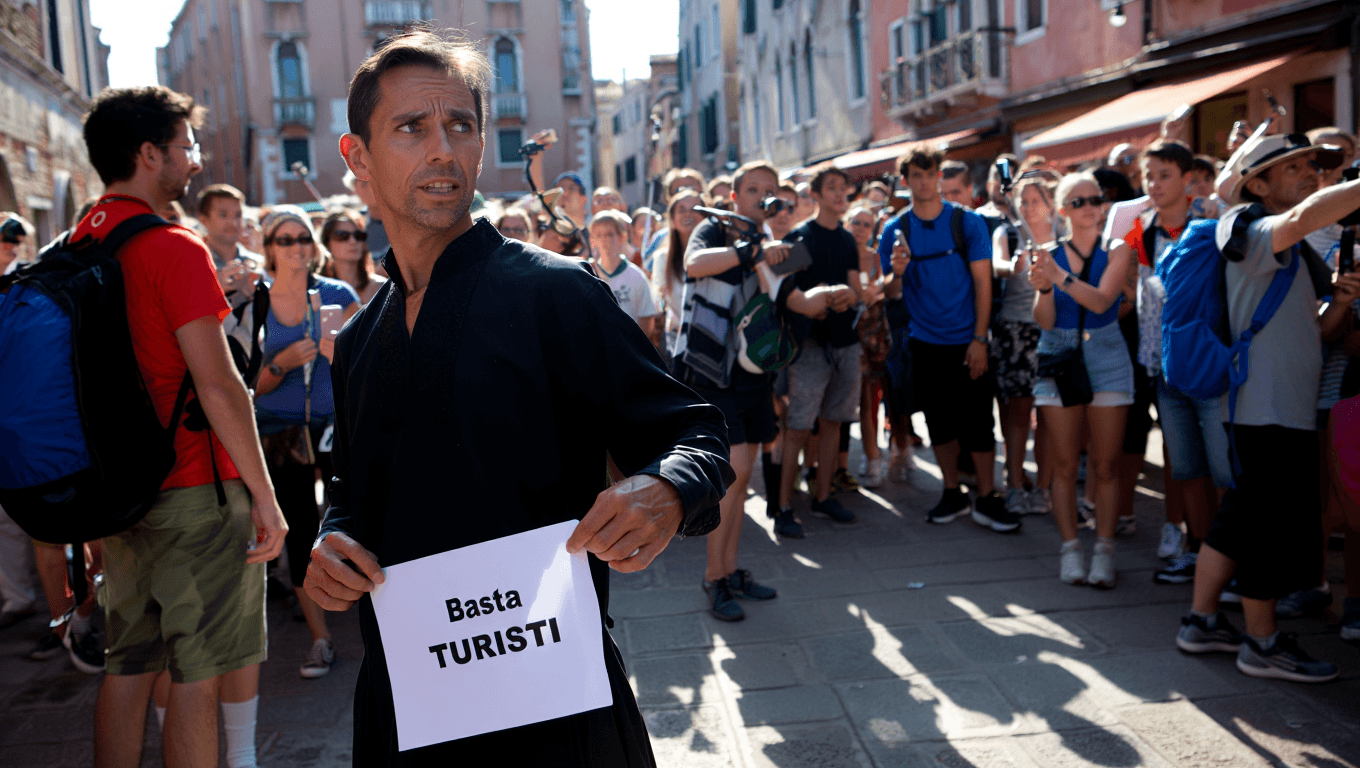
In 2019, a number of well-known destinations moved from polite appeals to enforceable limits as cities and sites rolled out rules aimed at easing pressure on residents and heritage. These measures — from fines and visitor caps to taxes and restricted access — reshaped how tourists experience major attractions and set precedents that still influence travel policy today.
Italy tightens behaviour rules across hotspots
Faced with repeated incidents of public nuisance and damage at popular sites, several Italian municipalities began imposing penalties on behaviours once tolerated. Authorities in cities such as Venice, Rome, Florence and others introduced fines for actions like drinking in public, climbing on monuments, or otherwise disrupting public order.
The objective was practical rather than punitive: protect fragile historic settings and restore a basic quality of life for residents. For example, Rome adopted specific sanctions at landmark sites and explored stricter access controls at high-traffic fountains and squares.
Amsterdam and the Netherlands: promotion paused, redistribution pursued
In 2019 the national tourism board signalled a shift away from broad promotion of the country, choosing instead to steer visitors toward less-crowded regions. Amsterdam paired that strategy with local rules to control behaviour and flows in the city centre.
Measures included banning organised tours from sensitive areas of the Red Light District, removing oversized selfie magnets, and outlawing beer bikes. Law enforcement equipped officers to issue immediate fines for littering, public urination and other antisocial acts. The city also planned a higher overnight visitor levy to reduce pressure on housing and services.
Paris restricts coach traffic to cut congestion and pollution
Paris announced restrictions on tour buses in the central city as part of efforts to lower noise, traffic and emissions in historic quarters. Officials framed the policy as a step toward more sustainable, pedestrian-friendly tourism — encouraging public transport, cycling and walking for inner-city access.
Paris’s scale as a global destination makes these moves more than symbolic: the choices of a single major city ripple into transport planning, visitor routing and regional tourism strategies across Europe.
Bruges acts early to limit cruise-related day trips
Smaller heritage destinations are especially vulnerable. Bruges, where day-trip volumes from cruise lines surged, introduced limits on the number of ships that can berth at once and encouraged weekday scheduling to distribute arrivals. The aim: prevent sudden spikes in footfall that overwhelm a compact urban fabric.
Theme parks: operational tweaks to improve guest flow
High-attendance attractions in the United States also adopted crowd-management adjustments. New rules at major parks addressed queuing, stroller size and smoking zones, and introduced systems to allow brief exits without losing a place in line — small operational changes designed to smooth traffic through attractions when attendance peaks.
| Location | Key measures introduced in 2019 | Why it matters |
|---|---|---|
| Italian cities (Venice, Rome, Florence, etc.) | Fines for public drinking, littering, disrespectful conduct; restricted access at fragile sites | Protects historic sites and improves day-to-day life for residents |
| Amsterdam / Netherlands | Stop active national promotion; bans on tour groups in sensitive areas; beer-bike ban; higher visitor tax | Redirects tourists to lesser-known areas and reduces concentrated pressure downtown |
| Paris | Restrictions on tourist coaches in the centre; emphasis on public transport and walking | Reduces congestion and greenhouse-gas emissions in historic quarters |
| Bruges | Limits on cruise-ship berths; scheduling changes to spread arrivals | Prevents sudden influxes that small cities cannot absorb |
| Major U.S. theme parks | Queue-management changes, stroller restrictions, designated smoking areas | Smoother guest flow and fewer safety or sanitation problems during peak days |
These experiments across different contexts share clear themes: cities are using fines, taxes and direct access controls to influence visitor behaviour, while also attempting to disperse tourists rather than simply reduce numbers. In most cases the primary goal is safeguarding local life and cultural assets, not blocking tourism entirely.
For travelers, the practical consequences are immediate. New local rules can mean unexpected penalties, restricted access to iconic spots, or changes to how and when you can visit. As destinations refine enforcement, awareness of local regulations matters more than ever.
- Check municipal websites or official tourism pages before visiting high-profile sites.
- Respect posted rules around behaviour, photos and access at monuments and public spaces.
- Consider staying overnight outside cramped centres or travel during shoulder seasons to reduce impact.
Looking ahead, the approaches tested in 2019 inform current debates about sustainable tourism policy. Cities continue to balance economic benefits from visitors with the need to protect residents and heritage. The lesson for policymakers and travelers alike is clear: unchecked growth can trigger swift regulatory responses that change the visitor experience — sometimes permanently.
Similar Posts
- Venice access fee 2026: who pays, how much and how it affects your trip
- Barcelona overtourism: smart tips to avoid the crowds and enjoy the city
- Cemetery visits: etiquette and rules every traveler must follow
- Bywater Battle: How Tourism is Reshaping New Orleans’ Iconic Neighborhood
- Explore Edinburgh Like a Pro: Top Travel Tips and Tricks for the City!

A globe-trotter and international trade enthusiast, Oliver explores the connection between business travel and trade opportunities.

