
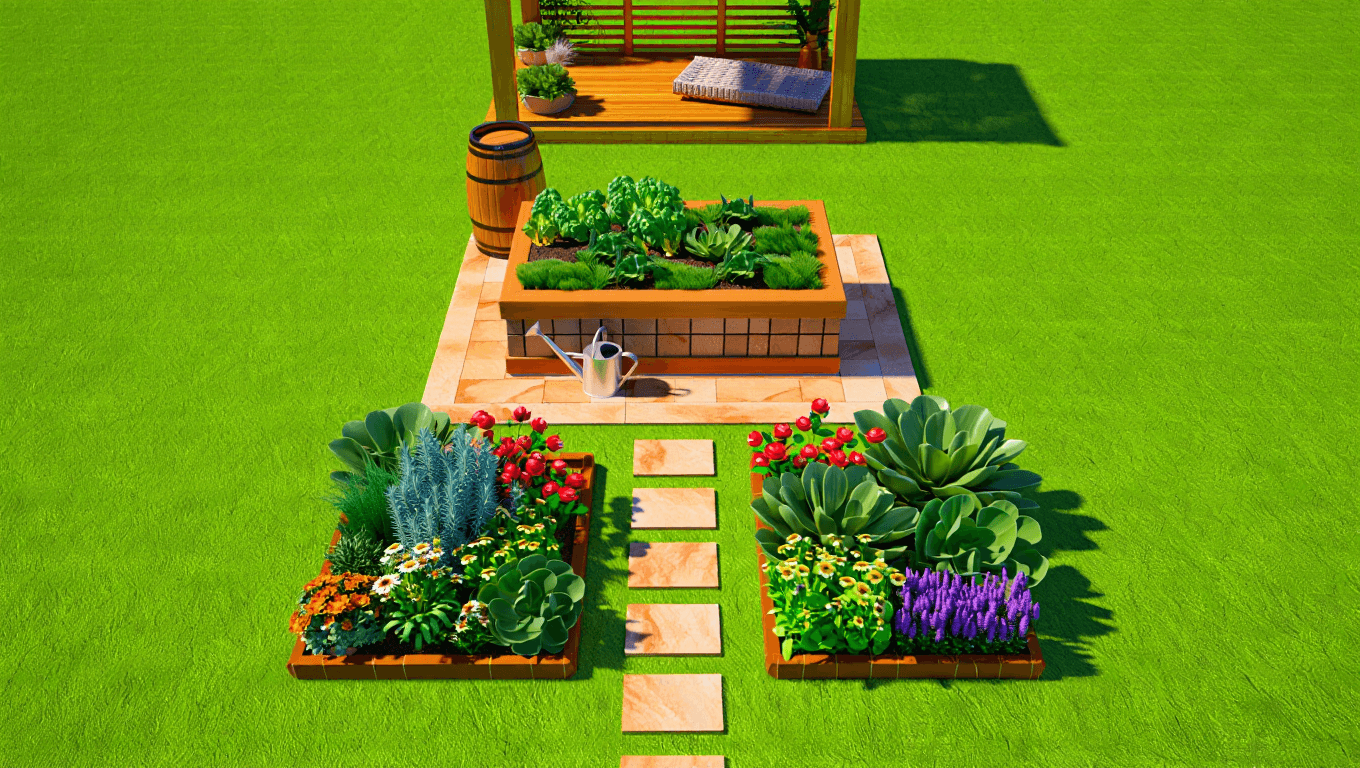
Gardeners heading into 2026 are reshaping outdoor spaces to respond to hotter summers, tighter water budgets and a renewed interest in homegrown food. The year’s leading gardening trends are practical, science-informed and designed to make yards more resilient, productive and wildlife-friendly.
1. Prioritizing climate-resilient, native-first plantings
Planting choices are shifting toward species proven to thrive in local conditions rather than imported ornamentals that need heavy care. Choosing native plants reduces watering needs, supports local insects and often cuts maintenance time.
For homeowners this means fewer replacements, lower landscape bills and better long-term success as seasons grow less predictable.
2. The rise of edible and multifunctional landscapes
Food production is moving out of the vegetable patch and into integrated beds, hedges and container mixes. Fruit trees, berry shrubs and culinary herbs are increasingly blended with ornamentals so landscapes perform multiple roles: beauty, shade and harvest.
Beyond fresh produce, these designs can improve food security for urban households and reduce grocery runs—practical benefits that matter in volatile markets.
3. Water-smart practices: drought-tolerant design and greywater use
With water restrictions a recurring reality in many regions, gardeners are adopting drought-tolerant species, mulches and irrigation systems that deliver water precisely when and where it’s needed.
Greywater recycling and rainwater capture are becoming mainstream in retrofit projects. Even modest measures—like switching to drip irrigation or installing a rain barrel—can cut outdoor water use substantially.
4. Technology moves deeper into the garden
Garden tech is no longer just novelty gadgets: smart sensors, soil probes and AI-driven apps are helping gardeners monitor moisture, nutrient status and pest pressure in real time. These tools let people intervene only when necessary, reducing inputs and improving plant health.
For busy gardeners, automation and alerts mean better outcomes with less constant oversight.
5. Biodiversity and pollinator-first design
Designs that welcome pollinators and beneficial insects have grown beyond trend status. Dedicated habitat patches, pesticide-free regimes and continuous bloom planning are now standard recommendations among landscape professionals.
Home gardens that prioritize biodiversity can help re-establish green corridors across urban areas, with cumulative benefits for birds, bees and natural pest control.
6. Lawn alternatives and low-maintenance groundcovers
Traditional turf is being replaced by mixed meadows, clover lawns and moss blends that require less mowing, fertilizing and irrigation. These alternatives offer seasonal interest and support pollinators while reducing upkeep.
For plots where play space is needed, hybrid approaches—hard-wearing turf in activity zones and low-input planting elsewhere—balance function with sustainability.
7. Vertical, modular and micro-gardens for tighter spaces
As urban living densifies, vertical walls, balcony planters and stackable modules make high-yield gardening possible in small footprints. These systems emphasize portability, modularity and ease of harvest.
They also open opportunities for renters and apartment dwellers to grow food or create pocket habitats without permanent alterations.
| Trend | Why it matters in 2026 | Quick starter tip |
|---|---|---|
| Native-first planting | Reduces inputs and supports local ecosystems | Swap 30% of new plants to local natives this season |
| Edible landscapes | Boosts home food production and resilience | Interplant herbs with shrubs for year-round use |
| Water-smart design | Conserves scarce resources and lowers bills | Install drip lines and add 3–4 inches of mulch |
| Garden tech | Improves timing of interventions and reduces waste | Start with a soil moisture sensor and app alerts |
| Pollinator-friendly planting | Restores ecological function at the neighborhood scale | Plant continuous bloom from spring to fall |
| Lawn alternatives | Cuts maintenance and environmental footprint | Trial a small clover or meadow patch |
| Vertical/micro-gardens | Expands access for urban and rental spaces | Choose lightweight containers and modular kits |
Practical entry points for homeowners and apartment dwellers:
- Conduct a quick site audit: note sun, shade, drainage and wind patterns.
- Replace a single high-maintenance plant with a native alternative to see immediate benefits.
- Commit to a small water-saving upgrade—drip hose, rain barrel or timed controller.
- Install one sensor or subscribe to an app to learn your garden’s rhythms without guessing.
These seven trends reflect a broader shift: gardening is increasingly evidence-based, efficient and community-oriented. For readers, that means outdoor spaces that are easier to maintain, better for wildlife and more useful to households facing environmental and economic uncertainty. Adopting even one of these approaches can make your plot more resilient in the seasons ahead.
Similar Posts
- Property value jumps from smart landscaping: affordable projects that pay off fast
- Discover Gothenburg’s Eco-Friendly Secrets: Plan Your Green Weekend Getaway!
- Vienna tourists: simple steps to protect the city while traveling now
- Valencia parks draw crowds: green makeover lifts tourism
- Master 8 Key Leave No Trace Principles: Transform Your National Park Visit

A champion of quality and authenticity, Emily delves into Australian-made products and their impact on global markets. With a focus on sustainability, she helps readers understand why these goods are leading the trade world.

