
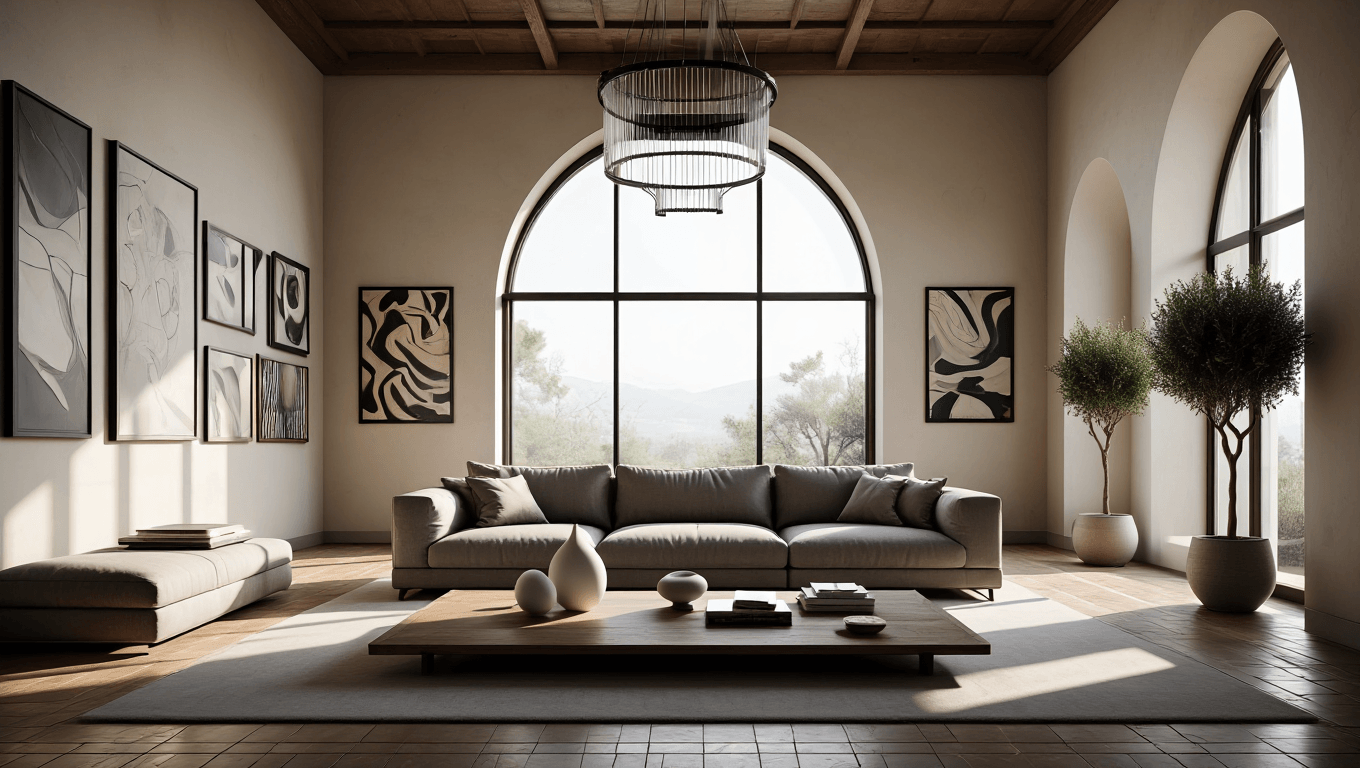
When Danish designer Malene Birger bought a crumbling 18th-century townhouse in Felanitx, Majorca, she saw more than dereliction — she saw a canvas. The recently completed restoration turns a long-vacant historic shell into a layered, art-filled home that speaks to trends in preservation, climate-conscious upgrades and designers turning private residences into public statements.
The property had been empty for decades and required a full overhaul: wiring, plumbing and structural repairs. Birger kept the building’s original spirit — arches, exposed beams and worn plaster — while inserting modern systems to make the house livable year-round.
Local history lingered in the walls: the house once hosted a prominent church official and later passed through the hands of a cleric who famously lost it at cards. Those stories informed Birger’s decision to preserve character rather than erase it.
| Quick facts | Details |
|---|---|
| Designer | Malene Birger |
| Location | Felanitx, Majorca, Spain |
| Footprint | Approx. 6,400 sq ft — two bedrooms, three bathrooms |
| Notable interventions | Structural restoration, radiant heating, bespoke lighting |
Reworking the floorplan and details
Humidity was a persistent challenge during the renovation — a common issue in Mediterranean stone buildings — so Birger installed radiant heating under new tile runs to keep moisture at bay. Wherever possible she conserved original fabric while repairing what had crumbled away.
One recurring motif ties old and new: the black-and-white tile pattern that appears in the entry, living room, library and the main bathroom. Seen across floors and stair risers, the motif acts as a visual thread linking separate eras and objects.
Light, craft and atmosphere
Handmade Moroccan lanterns punctuate each room. Birger collaborated with artisans to develop versions sized for the house’s lofty ceilings, which both dramatize and warm the tall interior volumes.
She describes the home as a working archive — furniture and objects are not staged museum pieces but actively rotated and displayed. Midcentury Italian seating sits beside North African finds and a selection of Birger’s own abstract paintings.
“Contrast and collected objects set the mood,” Birger said in conversation, explaining how the black-and-white scheme helps organize a diverse trove of antiques, ceramics and paintings.
Rooms that tell different stories
The reception area functions as a hybrid gallery and living room: benches and sculptural pieces from travels give guests an immediate sense of the owner’s visual language. Flexible shelving keeps Birger’s canvases in circulation.
In the living room, a geometric vintage mirror anchors the fireplace; African patterns and European antiques sit comfortably together, creating what Birger calls an eclectic landscape.
The entrance hall changes often — the designer treats it like a stage, rearranging objects and artworks to refresh the sequence of first impressions. Small details, like brass candleholders and a carefully placed console, create still-life vignettes as you move through the house.
Private rooms and the gallery next door
The primary bedroom is scaled for rest: a custom headboard with inlaid detail and linens sourced from India counterbalance the room’s volume. Lamp buys from decades ago remain in rotation, a testament to Birger’s approach of collecting over time rather than chasing trends.
The former attic became a guest room that mixes periods — a 1970s lounge chair, a flea-market ceramic lamp and a Brutalist console coexist to form a lived-in look that still feels curated.
Last spring Birger opened a small gallery steps from the house, turning a private practice into a local cultural node. Easels and ceramic works there extend the home’s graphic sensibility into a public space, inviting visitors to see how art and domestic life interact.
- Design language: high-contrast palette used as a unifying device
- Craft collaboration: bespoke Moroccan lanterns and restored architectural details
- Preservation priority: original beams and arches retained where possible
Why this matters now
Birger’s project sits at the intersection of several ongoing conversations in design: reusing period properties rather than replacing them, pairing traditional craftsmanship with modern building systems, and blurring the line between home and exhibition space. For towns like Felanitx, such restorations can spur cultural tourism and local craft economies, but they also raise questions about access and the long-term stewardship of historic buildings.
For designers and homeowners, the house offers a practical model: preserve the narrative that makes a building unique, then introduce targeted upgrades — from moisture control to custom lighting — that make heritage spaces functional for contemporary life.
Ultimately, the result is less about a single aesthetic than about balancing patience, craft and the occasional risk of living among a lifetime of collected objects.
Similar Posts
- Tony Cavalero’s home blends Hollywood memorabilia with touching tributes to his wife
- Stunning D.C. Row House Transformation: Inside Mike and Courtney’s Chic Makeover by Jeremiah Brent!
- Historic 1920s kitchen refreshed without demolition: budget-friendly tweaks deliver big impact
- Stunning Family Home: Light, Spacious Interiors Await You!
- Frank Lloyd Wright-inspired Los Angeles home evokes golden-age Hollywood

A champion of quality and authenticity, Emily delves into Australian-made products and their impact on global markets. With a focus on sustainability, she helps readers understand why these goods are leading the trade world.

