
Night trains are quietly reclaiming a place in UK travel, offering a low‑hassle alternative to short domestic flights and a different way to cross the country after dark. I took the Caledonian Sleeper from London to Edinburgh to see what the journey feels like now—how private rooms, a dining car culture and recent fleet delays shape the experience for anyone weighing time, comfort and environmental impact.
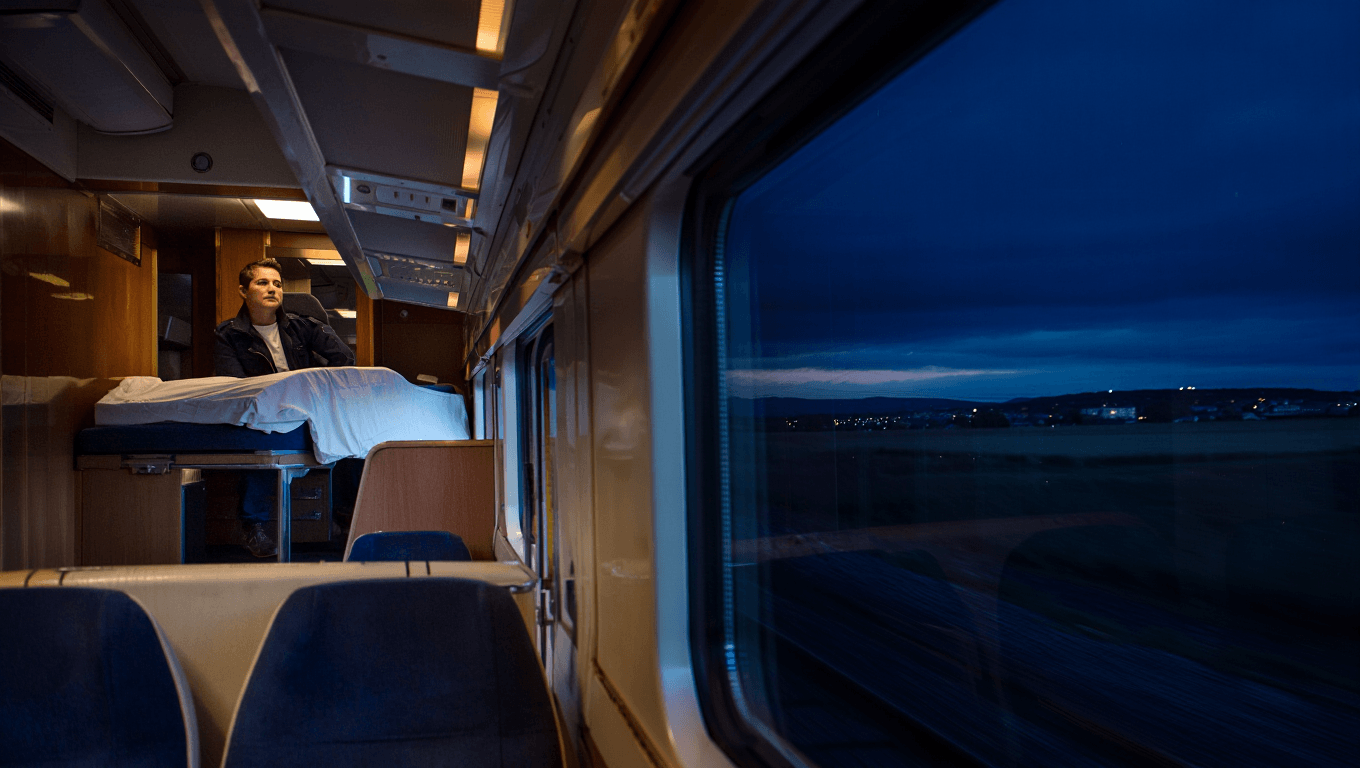
Boarding at Euston just after 11pm, the platform felt half-empty and half‑expectant. Staff checked my ticket, handed over a key card and pointed me down a narrow corridor to a compact private cabin with a snug, square bed and small toiletries arranged on the pillow—enough to signal that this was intended as a proper night’s sleep rather than a cramped overnight transfer.
The range of cabins, explained
The Caledonian Sleeper offers several tiers to match budgets and needs, from basic seats to private double cabins with en‑suite facilities. Accessibility options are available, and the services operate on multiple Scottish routes six nights a week.
| Accommodation | Key features | Typical starting price (one way) |
|---|---|---|
| Caledonian Double | Private double, en‑suite shower and toilet, breakfast included | From ~£345 |
| Club Room | Twin bunk with en‑suite, breakfast included | From ~£305 |
| Classic Room | Twin bunk, no en‑suite; breakfast optional | From ~£205 |
| Seated Coach | Standard airline‑style seats; trolley buffet service | From ~£50 |
Prices can vary and seats sometimes remain available even close to departure; I paid a premium to try a Double because I wanted the en‑suite and a chance to arrive refreshed for a family celebration in Edinburgh.
It’s worth noting the operator has been rolling out a new fleet in stages; earlier plans for replacement carriages were pushed back, so passengers occasionally find older stock on the route. Three years ago I travelled the same overnight trip while unable to fly and woke repeatedly to the familiar creaks of older rolling stock. This time, the cabin felt quieter and better insulated—closer to a hotel room on rails than a communal sleeper.
Evening atmosphere: dining and passengers
The dining car acts as a social hub. Regular commuters and late‑shift business travellers shared tables with leisure passengers nursing glasses of prosecco and plates of regional food. The menu leans into Scottish staples; my bowl of haggis with neeps and tatties, finished with a whisky sauce, was modestly priced and exactly the kind of late meal that makes night travel feel purposeful rather than merely practical.
Conversation ranged from last‑minute meeting prep to excited plans for hill walks. There’s a pragmatic side to the service—people who travel overnight to save a hotel night, or who choose the train because flying isn’t an option for them—and it sits comfortably alongside those treating the journey as part of the trip.
- Privacy: Private cabins reduce the informal camaraderie of shared couchettes but increase comfort and rest.
- Practicality: Overnight travel removes the need for an extra hotel night and avoids airport transfers.
- Accessibility: Wheelchair‑friendly rooms are available on selected services.
Despite earplugs, an eye mask and a duvet, I still woke at intervals to the rhythms of rail: braking, platform announcements and other trains passing. At first light the carriage slid into quieter countryside—fields, grazing sheep and a pale sunrise—before rolling into Carlisle and onwards toward Scotland.
Breakfast in the lounge car is hearty and typically local: bacon, black pudding, tattie scone and sausages. Eating beside the window as West Lothian drifted by reinforced the advantage of rail for scenic approaches that flying can’t match; arriving by rail means glimpsing the landscape change as you approach the city rather than stepping off a plane into an airport car park.
The Sleeper deposits passengers back into city life by mid‑morning—doors slam, people gather luggage, and within minutes commuters and holidaymakers disperse in very different directions. On arrival at Edinburgh Waverley, I met a fellow travel writer I’d known online for years; the brief reunion on the station concourse underlined how these services still stitch lives and stories together in a compact way.
Essential practical details
Tickets are bookable up to a year in advance on the operator’s website. Availability and fares fluctuate, and it’s possible to find cheaper Seated Coach fares alongside higher‑end private rooms. Cabin passengers can use the lounge car and request room service; those in seats are served by a trolley buffet.
Why it matters now: as conversations about greener travel and reducing short‑haul flights gain momentum, overnight rail presents a tangible option for many travellers. It trades speed for comfort and scenery, and for anyone weighing carbon footprint, convenience and a different kind of overnight experience, it’s worth considering.
Similar Posts
- UK’s longest overnight train: what travelers need to know
- Caledonian Sleeper: why Britain’s iconic night train is reshaping overnight travel
- Experience the Magic of Sleeper Trains: Essential Tips for First-Timers
- Explore Europe by Night: Sleeper Train Links Brussels to Berlin
- Europe’s Night Trains: A Game-Changer for Travelers Seeking Alternatives to Flying!

A globe-trotter and international trade enthusiast, Oliver explores the connection between business travel and trade opportunities.

