
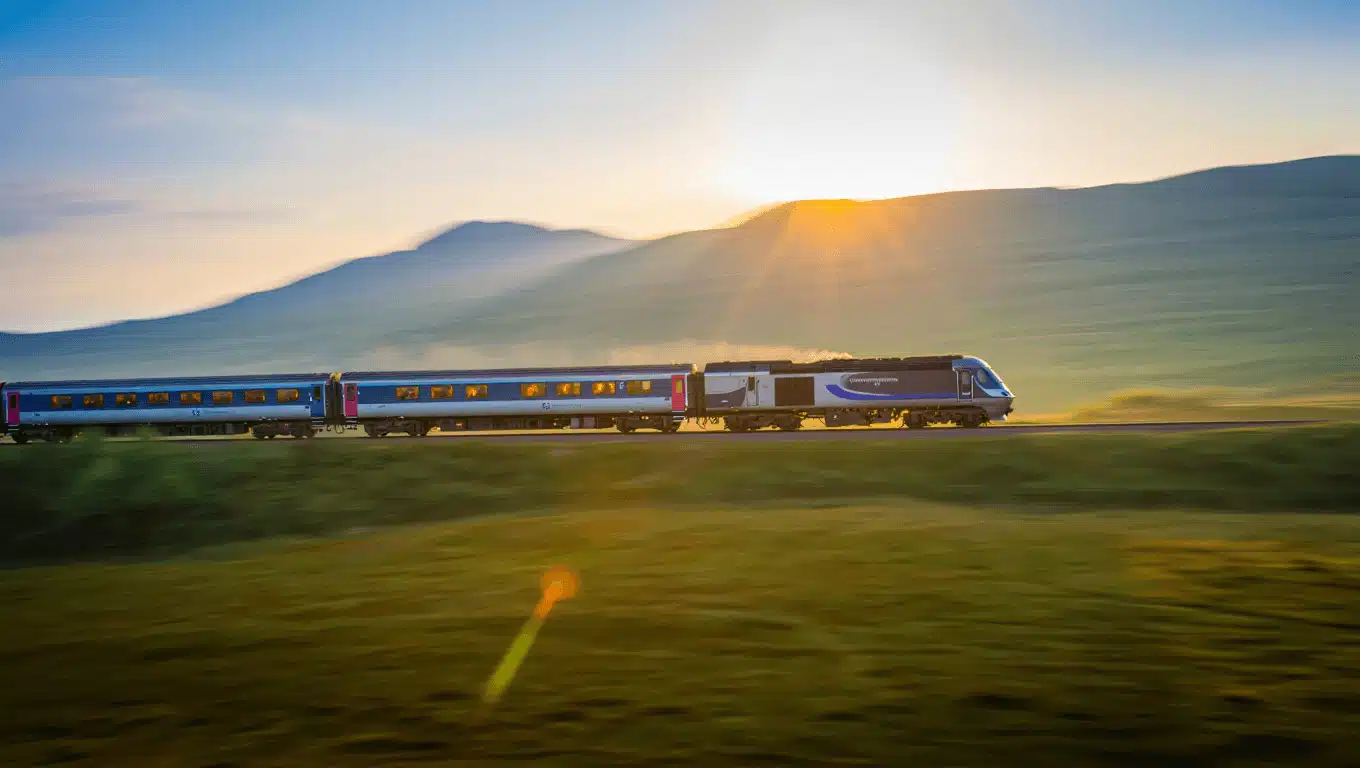
I chose the overnight train as a quiet way to finish a Scottish road trip — trading a motorway slog or airport scramble for a single bed and the chance to wake up somewhere new. With overnight services regaining attention from travellers who want less hassle and more rhythm, the route between Scotland and London feels like a practical, low‑stress option worth knowing about today.
A calm departure from Glasgow
Boarding is straightforward but old‑school: you climb narrow metal steps and follow platform signs to the carriage numbers. Attendants are on hand between coaches to point you in the right direction, which helps if you’re juggling luggage in dim light.
My cabin was a classic twin—two bunks, a tiny sink and limited floor space. There’s little built‑in storage, although an attendant showed us a free luggage room for larger suitcases. For an overnight trip it covers the basics, but don’t expect hotel‑room space.
After stowing a small overnight bag, I washed up in the shared facilities and spent a while in the club car with a whisky before lights‑out. The on‑board drinks selection is solid, and the social car is where most people gather before people retreat to their cabins.
Sleeping — what to expect
The service leaves Glasgow late and much of the trip runs in darkness. That suits the point of the sleeper: cover the miles while you rest. If your priority is landscape, consider travelling the opposite way so you’re more likely to wake to hills, mist and grazing livestock as the train eases into Scotland.
Cabins are functional rather than luxurious. Beds are acceptable for a single night and a small complimentary sleep kit is provided in most fares. Noise is the main surprise: the train rocks and rattles more than I anticipated. I recommend packing earplugs and an eye mask if you’re sensitive to vibration or early light.
Club‑class rooms offer extra privacy and, in some cases, an ensuite toilet; classic rooms share corridor facilities. If you prefer breakfast in bed, that’s included only with club rooms and must be arranged when you board.
Arriving into the city
We arrived into London on schedule early in the morning. Attendants gently knock about 30 minutes before the terminal stop so passengers can dress and gather their things. The result: you step off the train already in the city, without queues at security or baggage reclaim — often a quicker, less stressful start to the day than flying.
There’s limited communal seating beyond the club car, and if it’s full you’ll be navigating the narrow corridors until you reach your platform. Still, the convenience of waking up downtown and stepping straight into a cab or public transport is a tangible benefit.
Practical information and tips
Booking has a couple of quirks: cabin reservations are separate from rail fares in some cases, so read the ticket details carefully to avoid paying twice. Eurail pass holders need only book a sleeper reservation rather than buying a separate ticket.
- Book early: fares vary by season and availability; popular dates sell out.
- Bring basic sleep aids: earplugs and an eye mask improved my rest more than I expected.
- Cashless service: payments on board are card or mobile‑pay only.
- Pack light: cabins have limited storage; soft bags slide under bunks easiest.
- Dog policy: two dogs per cabin are allowed for an extra fee.
| Item | Price (GBP) |
|---|---|
| Seat reservation | From £148 |
| Classic to double ensuite room | About £200–£445 |
| Pet fee (per room) | £30 |
On‑board services and facilities
Food and drink are available in the club car and seated carriage; the menu includes hot breakfasts, snacks and a selection of Scottish whiskies. If you’re peckish late at night, bring your own nibbles — choices are useful but not exhaustive.
Connectivity is variable: Wi‑Fi can handle messages and quick checks but don’t rely on it for streaming. Power sockets and USB ports are provided in cabins and seated coaches. Showers are available at certain lounges (Fort William and Inverness) for a small fee if you need to freshen up before or after travel.
Accessible accommodation can be arranged online or by phone if you need assistance planning the trip.
Would I take it again? Yes. It’s not the most restful night you’ll ever have, but for travellers who value convenience and a lower‑stress finish to a trip, the Caledonian Sleeper remains a practical and appealing option — especially when you want to skip airports and arrive ready for the day ahead.
Similar Posts
- UK’s longest overnight train: what travelers need to know
- London to Edinburgh by Caledonian Sleeper: what to expect on the overnight train
- Explore Europe by Night: Sleeper Train Links Brussels to Berlin
- Experience the Magic of Sleeper Trains: Essential Tips for First-Timers
- Top 10 European Sleeper-Train Journeys for 2024: Travel in Style!

A globe-trotter and international trade enthusiast, Oliver explores the connection between business travel and trade opportunities.

