
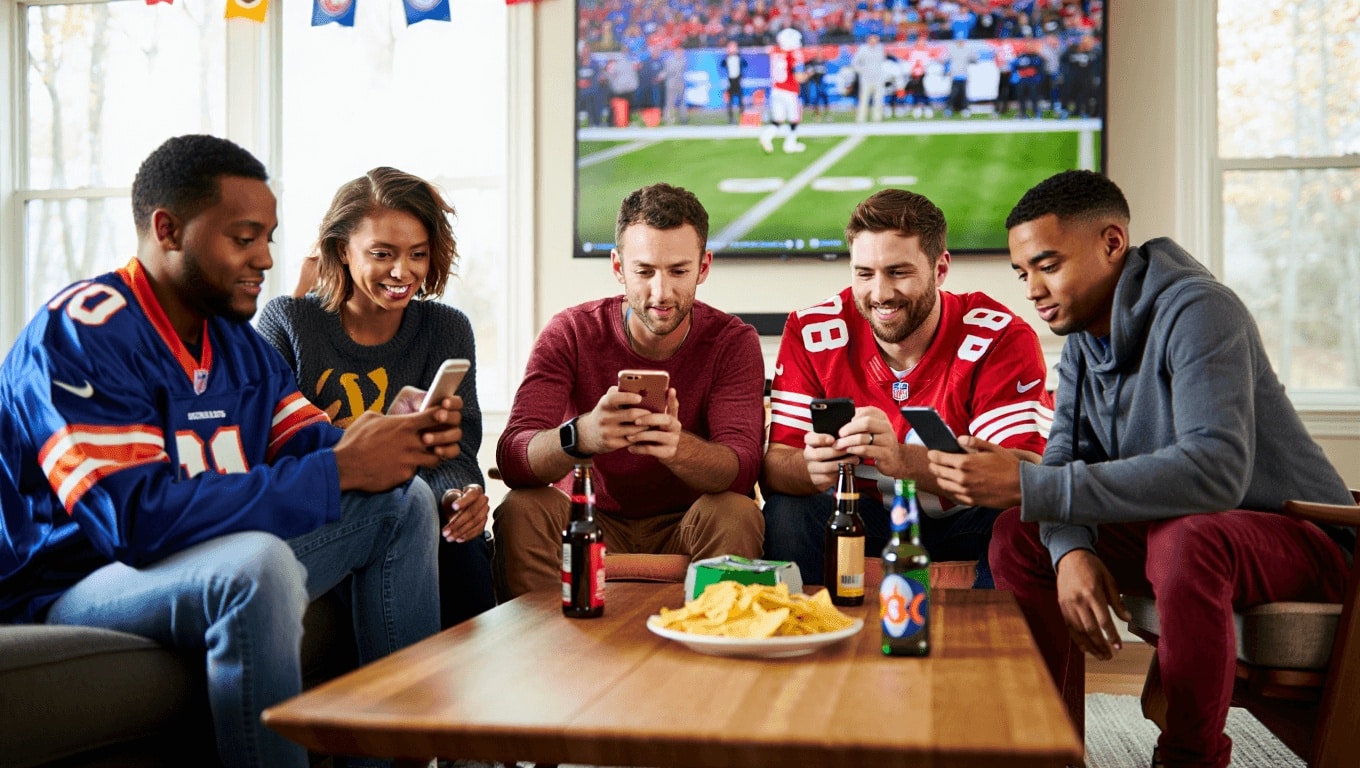
As millions turn their attention to this year’s Super Bowl, the betting landscape has shifted dramatically: placing a wager is now faster, more varied and more social than ever. These changes matter because they alter how fans experience the game and raise fresh questions about consumer protection, data use and the integrity of sport.
What has driven the change is not a single invention but a cluster of fast-moving developments — mobile-first apps, real-time markets, social betting features and new forms of currency — that together have lowered the friction between wanting to bet and actually doing it. The result: bettors can make dozens of tiny, in-game wagers and engage in public prediction threads without leaving a broadcast.
From ticket windows to instant markets
Where once bettors queued at betting shops or called a bookmaker, the process is now embedded in smartphones and streaming platforms. Operators offer slick interfaces, one-tap deposits and contextual markets that appear as the game unfolds. That convenience has broadened the audience: casual fans who would never visit a sportsbook are trying bets tied to single plays or short timeframes.
Among the most notable shifts is the rise of live betting and, within it, micro-betting — wagers on discrete moments such as whether the next snap results in a first down or whether a particular player will score within a drive. These contracts settle in seconds and encourage sustained attention, transforming passive viewers into active participants.
Props, personalities and the social layer
Prop markets — bets on specific player achievements or quirky game events — have exploded. Operators now offer thousands of props for marquee matchups, some generated algorithmically from play-by-play feeds. At the same time, social features let users create private pools, share tips and display leaderboards, gamifying the experience.
Celebrity endorsements and influencer-led pick contests have also brought new users into the fold. For many, the attraction is not just profit but the communal thrill of predicting outcomes with friends or famous hosts.
- Micro-betting: extremely short-term wagers that resolve in real time.
- Prop bets: granular markets on players or events beyond the final score.
- In-play/live betting: markets that update continuously during the game.
- Social pools and public leaderboards that make betting feel like a group activity.
- New payment rails, including faster bank transfers and some crypto options.
Why regulators and public-health experts are watching
The speed and ubiquity of bets carry two immediate risks. First, rapid-fire markets can encourage impulsive wagering; a sequence of settled micro-bets can create the illusion of control or momentum. Second, the integration of betting into social and entertainment products blurs lines between casual play and commercial gambling.
Regulators face a tricky task: preserve consumer choice and innovation while ensuring adequate safeguards — limits, cooling-off tools and transparent odds — are in place. Privacy advocates are similarly attentive, noting that the same behavioral data used to personalize offers can be misused if not properly protected.
Commercial and sporting consequences
Sponsors and broadcasters have adjusted their strategies as betting becomes central to fan engagement. Partnerships with operators now include data feeds, co-branded content and in-broadcast graphics showing live odds. For leagues and teams, the stakes are twofold: new revenue streams, but also a heightened need to monitor for betting-related irregularities.
Integrity units and compliance teams have grown more active, working to detect suspicious patterns in play that could indicate tampering. While serious manipulation remains rare, the proliferation of tiny, fast markets makes oversight more complex.
Practical things for readers to know
- Check licensing and local laws: availability varies by jurisdiction; confirm an operator is regulated where you live.
- Understand settlement timing: micro-bets resolve quickly and can accumulate losses just as fast.
- Watch data permissions: apps that collect play, location and behavioral data may use it to target offers.
- Use built-in safety tools: many platforms now offer deposit limits, session timers and self-exclusion options.
- Favor clear odds and transparent rules: avoid markets where payout mechanics or tie-breakers are vague.
Looking ahead
Expect the pace of innovation to continue. Operators will refine real-time products, and media companies are likely to weave betting more tightly into broadcasts and apps. At the same time, lawmakers and regulators will press for clearer disclosures and stronger protections as evidence about harms and benefits accumulates.
For fans, the bottom line is simple: the Super Bowl is no longer just a game to watch — it’s an event that can now be participated in monetarily at an unprecedented scale. That creates new entertainment value, but also new responsibilities for platforms, regulators and individual viewers.
Similar Posts
- Super Bowl 2025 Campaign Trends: What’s Hot in Advertising This Year!
- Will the Chiefs Claim a ‘Three-Peat’ with a Super Bowl Victory?
- 2025 Sports Betting Trends: What’s Hot in the Gambling World?
- Live Nation illegal monopoly decision could hike ticket costs and limit shows
- ESPN MLB.TV sign-up process sparks subscriber backlash

An expert in international finance, Jessica provides actionable advice to secure export transactions and minimize financial risks.

