
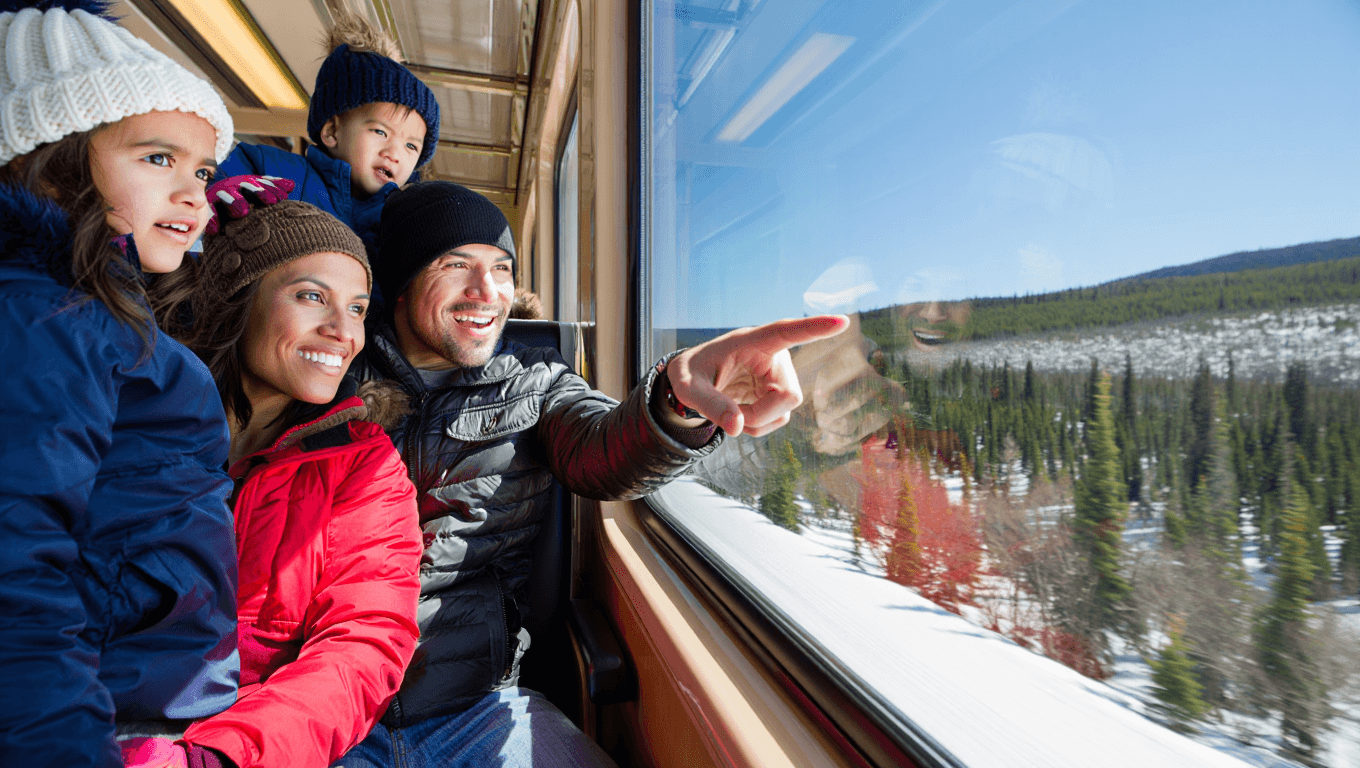
Ten days on rails across Alaska turned a family vacation into something quieter and more connective than any airport layover could allow. Riding the state-operated train from the Arctic interior to the ocean stripped away the logistical grind and left room for long conversations, wildlife sightings and unexpected detours—an experience that matters now as travelers seek slower, more meaningful ways to explore remote places.
Why the Alaska Railroad still matters
The Alaska Railroad is more than a scenic ride: it is a working artery for communities scattered across vast wilderness. Owned by the state, it carries passengers, freight and mail, and its lines make everyday life possible for residents who otherwise face isolation. That practical role—combined with a renewed interest in slow travel since the railroad’s centennial in 2023—gives this route current relevance for families and independent travelers alike.
One striking local practice underlines that connection: trains regularly stop at informal “whistle stops” when flagged by people living along the route. Look for makeshift chairs and beach flags beside the tracks—small but telling signs of how the line remains integrated into rural life.
On board: how the trip unfolds
There are two main service levels on the flagship Denali route: a comfortable, approachable option with large windows and dome viewing areas, and an upgraded experience with reclining seats, a glass-domed ceiling and reserved dining. Both make long distances feel manageable; the train converts travel time into family time rather than wasted transit.
Meals and a cafe car turn pauses into social moments. In my family, the cafe felt like our usual slow weekend coffee ritual—only with ever-changing scenery outside the windows. Children drew, shared snacks and watched for moose at river bends while adults read, planned or simply looked out at the layers of tundra, birch and mountain.
Practical conveniences matter: there’s an outdoor platform for photography, complimentary nonalcoholic drinks on higher service tiers, and modest onboard bars. The hop-on, hop-off nature of the schedule also makes it easy to customize an itinerary: stay overnight in one place, then reboard the next day to continue west or north.
Top stops and what to do
- Fairbanks — Gateway to the interior, with river excursions and northern lights viewing from autumn into early spring. Museums and university collections add cultural depth beyond wilderness access.
- Denali — Home to the park, ranger programs and extensive trail options. Visitor rangers are excellent resources for families; consider a Jr. Ranger booklet for kids to turn hikes into guided learning.
- Talkeetna — A small adventure hub near Denali with a quirky reputation and easy access to backcountry flights and local craft shops.
- Anchorage — Cultural stops such as the Anchorage Museum and the Alaska Native Heritage Center provide perspectives on art and Indigenous history that complement outdoor experiences.
- Seward — The Kenai Fjords gateway: glaciers, coastal wildlife cruises and the Exit Glacier trail offer accessible, dramatic marine and mountain scenery.
Each stop has its rhythm. In Denali we dropped luggage at the depot and let accommodation transfers handle the rest; in Seward a short hike and a boat tour filled a single, unforgettable day. That flexibility is one of the railroad’s practical benefits for families juggling different ages and energy levels.
Practical tips for families and first-timers
- Book seats early for peak season; consider the upgraded car if you want reserved dining and extra comforts.
- Pack layers and waterproofs—weather can shift from sun to drizzle quickly, especially near coastal and mountain zones.
- Bring binoculars and a good camera; wildlife sightings are common from valley floors and river deltas.
- If traveling with young children, note that park services (for example in Denali) often loan car seats for bus transfers—ask at the depot.
- Be prepared to adapt plans: cruises and wilderness activities depend on conditions, so build flexibility into your schedule.
On our trip, small moments added up: a child’s watercolor idea inspired by a fog-laced valley, a snack in the cafe car while otters bobbed offshore, a ranger who explained the role of sled dogs in research. Those fragments became the lasting impressions, not the miles traveled.
What travelers take away
Beyond scenery, the train delivers time—time to talk, to notice and to absorb. For families, that translates into memories that outlast a single Instagram post. For communities along the route, it remains an essential service. And for anyone interested in contemporary travel trends, it’s a reminder that moving slowly can be both practical and deeply rewarding.
Plan deliberately, expect a mix of comforts and unpredictability, and allow the journey itself to be part of the destination. The Alaska rail corridor still offers one of the clearest invitations in American travel: see less by rushing and see more by staying present.
Similar Posts
- Discover Canada: Top 4 Train Journeys for the Ultimate Adventure
- Douro Valley train route offers Porto day-trippers a scenic riverside escape
- Explore America’s Best: The Ultimate Guide to All 63 U.S. National Parks
- Europe’s Night Trains: A Game-Changer for Travelers Seeking Alternatives to Flying!
- Canadian Rockies train journey unveils a week of breathtaking alpine scenery

A globe-trotter and international trade enthusiast, Oliver explores the connection between business travel and trade opportunities.

