
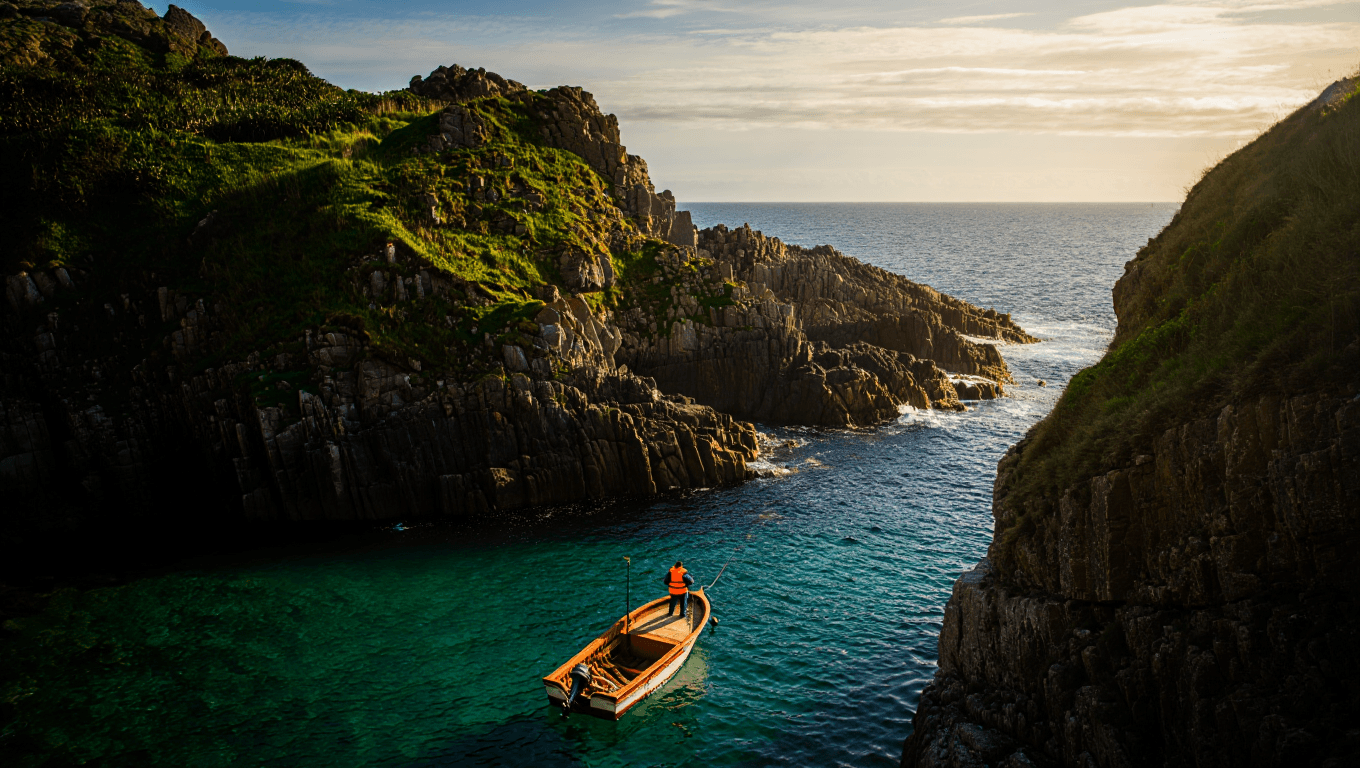
A 45-minute boat ride from Vigo leads to a small chain of protected islands that feel unexpectedly wild and sunlit — and that matters now because visitor numbers are strictly controlled, meaning planning is essential for anyone hoping to go this season. The Cíes archipelago, part of the Atlantic Islands of Galicia protected area, combines stringent conservation rules with some of Spain’s most celebrated beaches and seabird colonies.
The islands are compact but ecologically rich: two main isles, connected by a pedestrian bridge, are where most visitors land, while a third, more remote island requires a private charter. Because access is regulated to protect habitats, authorities limit daily arrivals and require advance authorization for every visitor.
Getting to the islands and required permissions
All visits begin with an online authorization issued by the regional government. You can request this permit up to 90 days before your trip; once approved you receive a short code that is needed to buy ferry tickets. The permit window is short (the code is valid for a couple of hours), so coordinate it with your ferry booking.
Ferry services operate from Vigo and nearby ports. Multiple companies run scheduled crossings year-round, with more frequent sailings in summer. Expect around 45 minutes on the water on a normal service; some boats sell snacks and drinks onboard.
| Practical point | What to expect |
|---|---|
| Daily visitor limits | Approximately 450 people most of the year; higher caps during peak season. |
| Permit | Apply online via Xunta de Galicia (code required to buy ferry ticket). |
| Typical crossing time | About 45 minutes from Vigo |
| Overnight stays | Allowed only during the summer season (mid‑May to mid‑September) and Semana Santa |
| Accommodation | Parks-managed campsite and rental tents; no hotels |
Getting around once you arrive
Most visitors explore on foot. Trails link beaches, viewpoints and the two main islands, and signage at the pier gives basic information. If you want to reach the smaller southern island, San Martiño, or access secluded inlets, chartering a small, approved private boat is the only option.
Keep in mind that weather can change quickly. Even in spring the islands may be cool and overcast, so layer up if you plan longer walks or cliff-top visits.
Key trails and vantage points
There are several well-maintained paths of varying length and difficulty. A popular route climbs to the lighthouse at the island’s highest point — roughly a 3.5 km round trip from the main landing — rewarding hikers with wide sea panoramas and dramatic cliff views. Shorter walks lead to other lighthouses, viewpoints and quieter coves; choose according to fitness and tide times.
Beaches, wildlife and water activities
The islands are best known for their white-sand beaches and clear water, with one beach often singled out as among Europe’s most scenic. Water temperatures in the area average in the mid-teens Celsius, so swimming is bracing rather than tropical, even in summer.
Snorkeling reveals a coastal ecosystem with molluscs, crustaceans and small fish, while the islands’ cliffs and scrub host dense seabird colonies year‑round. Because the archipelago is managed to prioritize wildlife, visitors are asked to keep noise low and maintain distance from nesting areas.
- Praia de Rodas: the largest and most visited beach, close to the main landing.
- Praia de Nosa Señora: a quieter cove on the southern side, overlooked by a small church.
- Smaller, concealed beaches reachable by short walks for visitors seeking solitude.
Rules, facilities and how to respect the reserve
Because the islands are a protected park, several simple but strict rules apply: carry out everything you bring in (there are no trash bins on the trails), do not feed or approach wildlife, do not remove rocks, shells or plants, and avoid loud behavior that may disturb nesting birds. Violations can lead to fines and harm fragile habitats.
The official campsite provides basic services: a cafeteria and small shop, toilets, hot showers for a small fee, charging points and tent plots, plus equipment like solar pumps for inflating mattresses. Space fills up quickly during holiday weeks and August, so reserve a pitch well in advance if you plan to stay overnight.
What to eat and where
Food options are limited but decent. Near the pier there is a cafe/restaurant where you can grab coffee, regional white wine or a light meal while waiting for the return ferry. The campsite’s cafeteria serves more substantial dishes — including local seafood — and the small shop stocks essentials for a picnic.
Many visitors prefer to bring provisions from Vigo: buy local cheeses, empanadas, bread and other picnic items at regional supermarkets before boarding and enjoy them on a cliff-top bench or the sand.
Packing checklist
- Print or screenshot your permit code and ferry ticket
- Layered clothing and a windproof jacket
- Reusable food container and a bag to carry out rubbish
- Swimwear, towel and reef‑friendly sunscreen
- Sturdy shoes for trails and a small first-aid kit
For travelers arranging a trip this season, the combination of limited visitor numbers and managed camping means the islands can offer a quieter, more nature-focused experience than many other coastal destinations. But those benefits come with responsibilities: plan ahead, respect the conservation rules, and book permits and crossings early to secure your place.
Similar Posts
- Top 10 Car-Free US Destinations for Summer: Explore America’s Best!
- Hawaii travel: 16 practical habits visitors should adopt to protect the islands
- Nicaragua beaches: 7 must-see shores for sun and surf
- North Coast 500: locals urge responsible travel as tourism soars
- Samaria Gorge hike: updated tips and essential rules for Crete visitors

A globe-trotter and international trade enthusiast, Oliver explores the connection between business travel and trade opportunities.

