
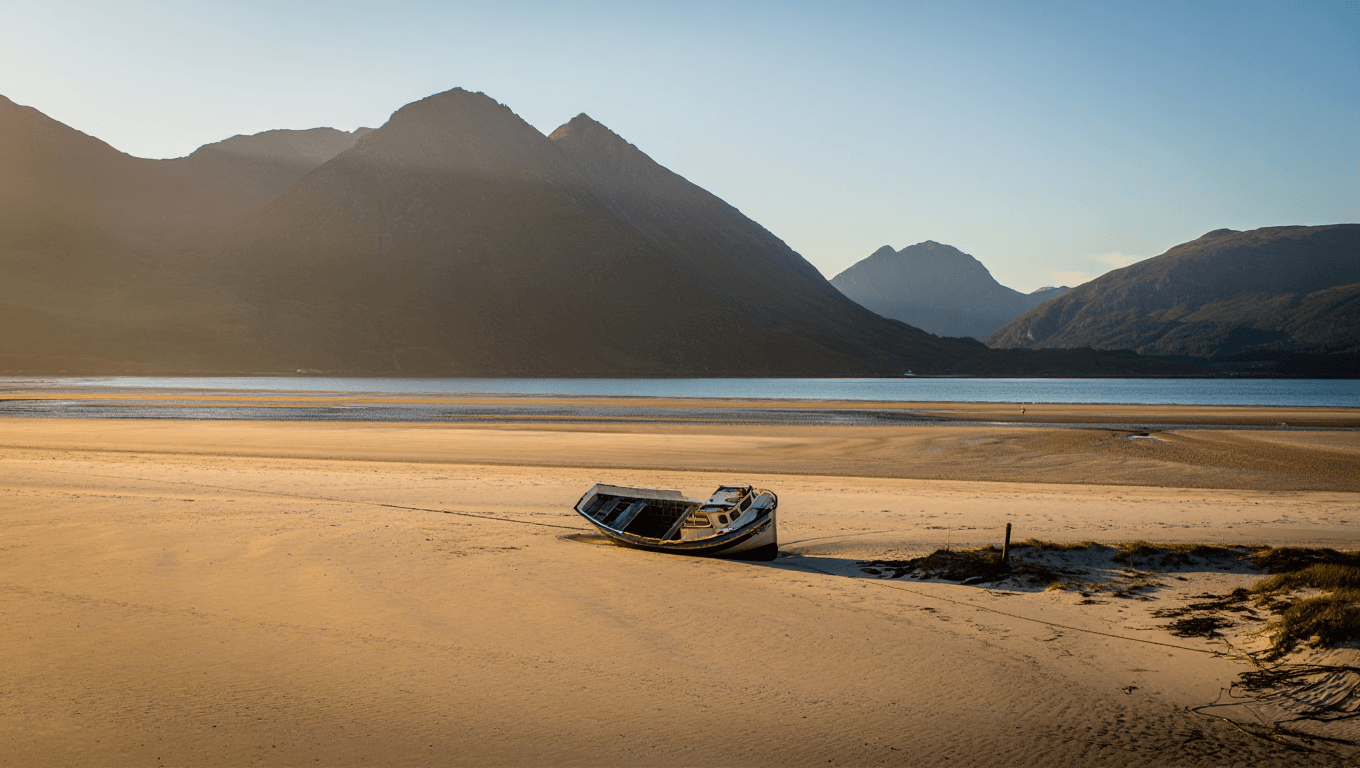
Pull off a quiet coastal road and you might find a deserted strand where sea and mountain meet — an invitation to stop and linger. The North Coast 500 (NC500) still delivers those moments, but rising visitor numbers have turned large stretches of the route into a testing ground for how to travel responsibly in fragile places.
What the NC500 is — and why it matters now
The NC500 is a roughly 516‑mile loop from Inverness that threads together northern Scotland’s coastal roads, single‑track lanes and isolated seascapes. Launched in 2015 by the North Highland Initiative, the route has become a global draw, transforming small towns and crofting communities but also exposing them to heavy seasonal pressure.
That popularity brings real consequences: traffic jams on narrow roads, overflowing bins, increased maintenance costs and tensions between residents and visitors. Some communities are already debating whether the most congested stretches should be removed from the promoted route to reduce pressure — a sign that the conversation about sustainable travel here is urgent and ongoing.
Timing your trip
Peak summer — June through August — still concentrates the majority of visitors. Camper vans, motorcycle groups and day‑trippers pile onto the narrow lanes, and the roadside suffers accordingly.
To avoid crowds and see the landscape at a different pace, consider shoulder months or winter. Off‑peak travel delivers quieter roads, clearer light and a better chance of meaningful interaction with locals. If you can, plan outside the main holiday window; it’s better for the places you visit and for your experience.
How much time should you allow?
Four or five days is common, but rushed itineraries miss inland treasures and small‑town experiences a short detour away from the coast. A more relaxed schedule — seven days minimum, ideally ten — allows for detours, walks, and time for communities to welcome you without feeling overwhelmed.
Practical steps to reduce your impact
Communities along the route have been clear about what they need from visitors: respect, space and practical help. Below are straightforward actions every traveler can adopt.
- Give waste a lift: Carry rubbish out if bins are full — do not leave it at the roadside.
- Use designated parking and campsites: Avoid roadside stops that block access or damage verges.
- Respect passing places: Pull in to let others past and never park where you obstruct the lane.
- Avoid convoys and excessive speed: Keep at least one passing place between vehicles and drive to local conditions.
- Choose locally run tours and businesses: Book guides, eat and buy from community shops and producers.
- Follow the Scottish Outdoor Access Code: If you plan to hike or camp on foot, know the rules that balance public access with landowner rights.
Camping and vehicles — rules to know
The law in Scotland permits wild camping under the Scottish Outdoor Access Code, but that right applies primarily to those who arrive on foot or by bicycle. Motorhomes and camper vans are not covered in the same way; overnighting in vehicles is restricted to designated sites in many places along the NC500.
That distinction matters: staying in the wrong place can strain local services and upset residents. If you travel by motorhome, plan your overnight stops ahead and use formal sites or certified layovers where provided.
Driving safely on single‑track roads
Many stretches of the NC500 are single track without pavements. These lanes are essential thoroughfares for local life — buses, emergency services, farm traffic and school runs — so considerate driving is vital. Give way at passing places, keep to appropriate speeds and be prepared to stop for oncoming users.
Notable stops reward slower travel: towering sea stacks at the far north, coastal caves, historic castles and peatland reserves that tell a different ecological story than the beaches. Two quieter yet significant detours worth planning for are the peatland reserves in The Flow Country and the salmon steps at the Falls of Shin — both offer insight into the region’s natural heritage.
Community initiatives and the visitor pledge
Local groups and the NC500 partnership have launched guidance and pledges asking visitors to behave responsibly. Signing up is not just symbolic: it signals support for measures that protect services and landscapes, from waste management to responsible parking. Travellers who engage with those initiatives help keep the route viable for everyone.
Preserving the character and access of the NC500 depends on choice: when you go, how you travel, and the small acts you take while there. Those decisions will determine whether future visitors find the same wild, open coastline you came to see.
Similar Posts
- Michinoku Coastal Trail in Japan surges in popularity: what hikers should know
- Maui travel alert: quieter beaches and routes to visit now
- Travel 2021: new rules and risks that could upend your plans
- Love’s launches travel hub in Alabama: new stop promises jobs and fueling for drivers
- Sicily Divide bike route: expert tips to prepare for a self-guided cycling adventure

A globe-trotter and international trade enthusiast, Oliver explores the connection between business travel and trade opportunities.

