
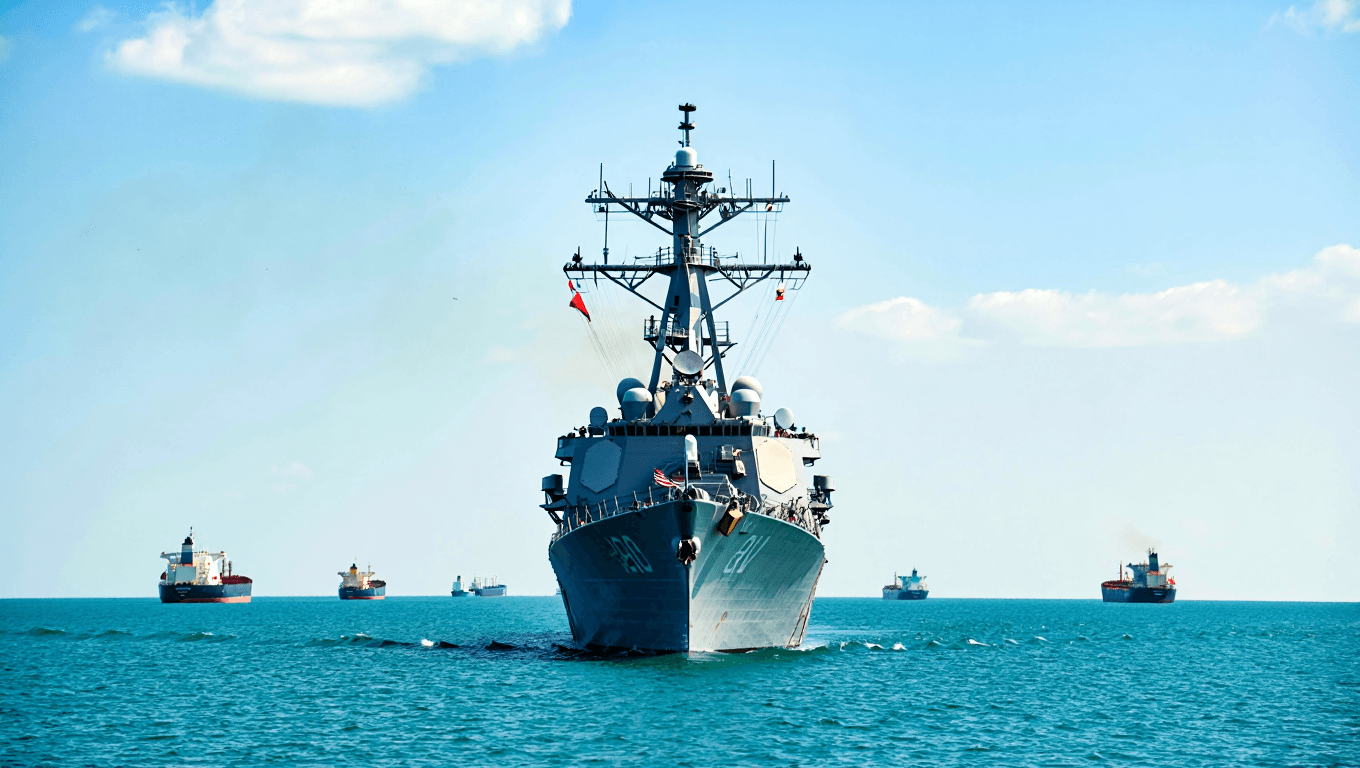
The Biden administration is preparing to begin naval escorts through the Strait of Hormuz as soon as April, according to U.S. officials, a move aimed at protecting oil and commercial shipments after a string of attacks in the region. The plan comes as markets reacted to a modest jump in crude prices — a rise that former President Donald Trump has publicly downplayed, calling the shift limited and transitory.
U.S. defense and diplomatic officials say the proposed escorts would be a targeted effort to secure a narrow but critical chokepoint for global energy flows. The measure would respond to a recent uptick in incidents that have damaged commercial vessels and raised insurance and transit costs for shippers moving through the Gulf and nearby waters.
What the escorts could look like
Officials describe the concept as a combination of visible deterrence and protective coordination: naval vessels would accompany vulnerable merchant ships through the strait or nearby approaches, supported by increased surveillance and aerial reconnaissance. Implementation would require clear rules of engagement, legal reviews, and coordination with international partners and private shipping companies.
That complexity helps explain why planners are working toward a limited start date rather than an immediate rollout; escorts would initially focus on the most exposed routes and vessels carrying high-priority cargoes — particularly crude oil — before potentially expanding if the security picture deteriorates.
Why this matters now
The Strait of Hormuz connects a significant share of global oil exports to major markets. Even a short disruption can ripple through fuel markets, raise shipping costs and strain supply chains. For consumers, that can mean higher pump prices and increased volatility for heating and jet fuel costs.
- Shipping risk: Increased patrols could lower the chance of attacks but add transit time and operational costs.
- Insurance and freight: War-risk premiums and rerouting raise expenses for carriers and importers.
- Energy markets: Disruptions in the strait tend to push oil prices higher, at least temporarily.
- Regional tensions: Escalatory responses from local actors could complicate diplomacy and raise the risk of broader confrontation.
Market reaction to the recent disruptions was measurable but not dramatic. Traders priced in a supply-risk premium, yet the move stopped short of the sharp spikes seen in prior geopolitical crises. That partly reflects improvements in U.S. strategic petroleum reserves and diversified sourcing by refiners, which can blunt the immediate impact of localized disruptions.
Political and diplomatic dimensions
Beyond the military planning, the proposal will involve heavy diplomatic work. Washington is said to be consulting allies and regional partners about burden-sharing, navigation rights and the legal framework for protecting commercial vessels on international routes.
Domestically, the escorts carry political weight. Officials argue the steps are defensive and aimed at securing global commerce; critics warn that a stronger military presence risks entangling the U.S. further in regional disputes. The subject has already become part of the broader debate over energy security and foreign policy priorities ahead of the next election cycle.
Meanwhile, public comments from former President Trump that minimized the short-term oil price uptick injected a political angle into the story. His framing — that the price movement was limited and should not alarm consumers — aligns with messaging designed to reassure voters about energy affordability, even as analysts emphasize the underlying risks remain.
Outlook and what to watch
Officials caution that the April timeline is a planning target rather than a firm deadline; deployment will depend on final legal reviews, partner commitments and the evolving security environment. Key indicators to monitor in the coming weeks include:
- Any further vessel incidents in the Red Sea, Gulf of Aden or approaches to the strait.
- Statements from naval partners about participation or support.
- Movements in oil benchmarks such as Brent and WTI, which will reflect market confidence in supply continuity.
- Diplomatic engagements involving Tehran, regional capitals and international maritime organizations.
For shipping companies, refiners and consumers, the immediate effect may be higher operational costs and continued price sensitivity. For policymakers, the choice is between stepped-up protection of trade routes and the risks that come with a heightened military profile in one of the world’s most geopolitically fraught waterways.
Similar Posts
- Iran restricts Strait of Hormuz passages: transit allowed only under strict terms
- US to underwrite and escort tankers through Strait of Hormuz: Trump vows
- U.S.-China standoff escalates over alleged harassment of Panama-flagged ships
- U.S. expands insurance backstop for Strait of Hormuz to $40 billion
- Strait of Hormuz: nations pursue diplomatic moves to reopen vital shipping lane

A logistics expert, Ethan shares tips to optimize supply chains and reduce freight costs in global trade.

