
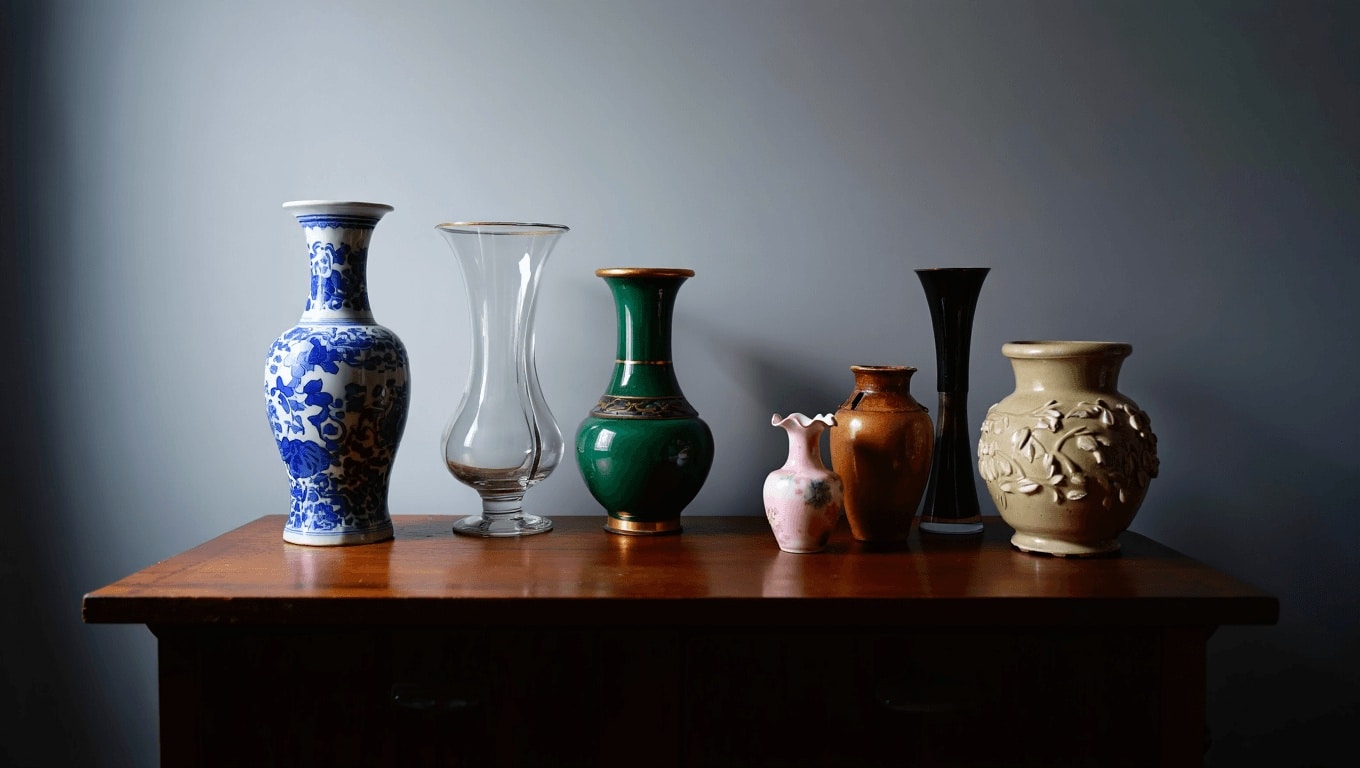
7 Vintage Vases That Can Still Command Serious Prices — and How to Recognize Them
Auction rooms and online marketplaces have seen renewed appetite for high-quality decorative ceramics and glass, pushing some vintage vases into five- and six-figure territory. For collectors, heirs and dealers alike, knowing which makers and features matter can turn a dusty attic find into a significant windfall.
| Vase | Origin / Maker | Typical Period | Auction Range (recent market) | Distinctive ID features |
|---|---|---|---|---|
| Tiffany Favrile glass | Louis Comfort Tiffany, USA | Late 19th–early 20th century | $10,000–$200,000+ | Iridized surface, pulled-thread decoration, sometimes signed |
| Meissen porcelain vase | Meissen, Germany | 18th–19th century | $5,000–$150,000+ | Blue crossed swords mark, underglaze painting, fine gilding |
| Sèvres soft-paste porcelain | Manufacture nationale de Sèvres, France | 18th–19th century | $8,000–$250,000+ | Impressed/painted marks, signature panels, high-quality ground |
| Chinese porcelain (Qing dynasty pieces) | China | 18th–19th century (earlier for top prices) | $10,000–$millions | Cobalt underglaze, reign marks, provenance critical |
| Loetz / Austrian Art Nouveau glass | Loetz, Austria and contemporaries | Late 19th–early 20th century | $2,000–$80,000+ | Iridescent finish, organic shapes, pontil or impressed marks |
| Rookwood / American art pottery | Rookwood Pottery, USA | Late 19th–20th century | $1,000–$60,000+ | Incised or stamped marks, artist initials, distinctive glazes |
| Wedgwood Fairyland Lustre | Wedgwood, England | Early 20th century | $1,500–$40,000+ | Rich lustre, fantasy motifs, impressed factory marks |
Why these vases matter now
Interest in decorative antiques has broadened beyond traditional collectors. Interior designers, younger buyers hunting unique pieces, and international bidders have increased competition. That shift, combined with a spate of high-profile auction results in recent seasons, makes correct identification and documentation more valuable than ever.
How to tell a valuable vase from a decorative copy
Not every pretty vase is worth a lot. The premium usually sits with three ingredients: the maker, the condition and the documented history. A well-preserved piece with a clear maker’s mark and verifiable provenance will attract far higher bids than an unattributed example.
- Check for marks on the base: impressed, painted or incised signs of the workshop.
- Examine the surface and glaze under magnification for restoration lines or inpainting.
- Look for consistency between style and era—decoration, clay body and firing techniques should match the claimed date.
- When in doubt, request a professional condition report and provenance documentation.
Spotlight on seven categories
The table above highlights seven categories that regularly perform well at auction, but each group contains wide variation. Within the Tiffany and Meissen markets, for example, certain forms or artist-signed pieces far outstrip more common examples.
Two quick examples: a rare Louis Comfort Tiffany pulled-thread vase in excellent condition and with clear studio documentation will attract a different buyer pool—and a different price—than an unsigned iridized lamp base. Similarly, an 18th-century Meissen vase with an unbroken ground and original gilding can be exponentially more valuable than a later mass-produced piece bearing a similar mark.
Practical steps if you think you’ve found something valuable
Keep calm and document everything. Photographs from multiple angles, a note of where the item was found and any paperwork or previous appraisals all help. Resist cleaning or repairing the piece yourself; amateur restoration can severely cut value.
Get at least two independent opinions before consigning to auction. A specialist can confirm authenticity, suggest a reasonable estimate, and advise whether private sale, auction or dealer consignment is the best route.
Costs, timelines and risks
High prices come with costs: buyer’s and seller’s commissions, insurance during transit, conservation reports and sometimes legal checks for export or provenance issues, particularly with older or foreign-made porcelains. Turnaround at top auction houses may take months from valuation to hammer, so sellers should plan accordingly.
Final take
Vintage vases remain a dynamic corner of the decorative-arts market. Knowing the hallmarks of reputable makers such as Tiffany, Meissen and Sèvres, and attending to provenance and condition, can significantly affect value. For anyone handling estate finds or hunting for investment-grade pieces, careful documentation and expert verification are now essential steps.
Similar Posts
- Sell antiques online for top dollar: expert tips to boost listings today
- Antique conversation pieces: 5 rare finds driving collector demand
- 2025 Fashion and Interiors Trends Revealed: Discover What’s Hot!
- Palermo’s Enchanting Artist’s Book House: 10,000 Books, Historic Floors & Italian Soul Await!
- Explore a Romantic Industrial Loft: Design Secrets and Stunning Interiors Revealed!

A champion of quality and authenticity, Emily delves into Australian-made products and their impact on global markets. With a focus on sustainability, she helps readers understand why these goods are leading the trade world.

