
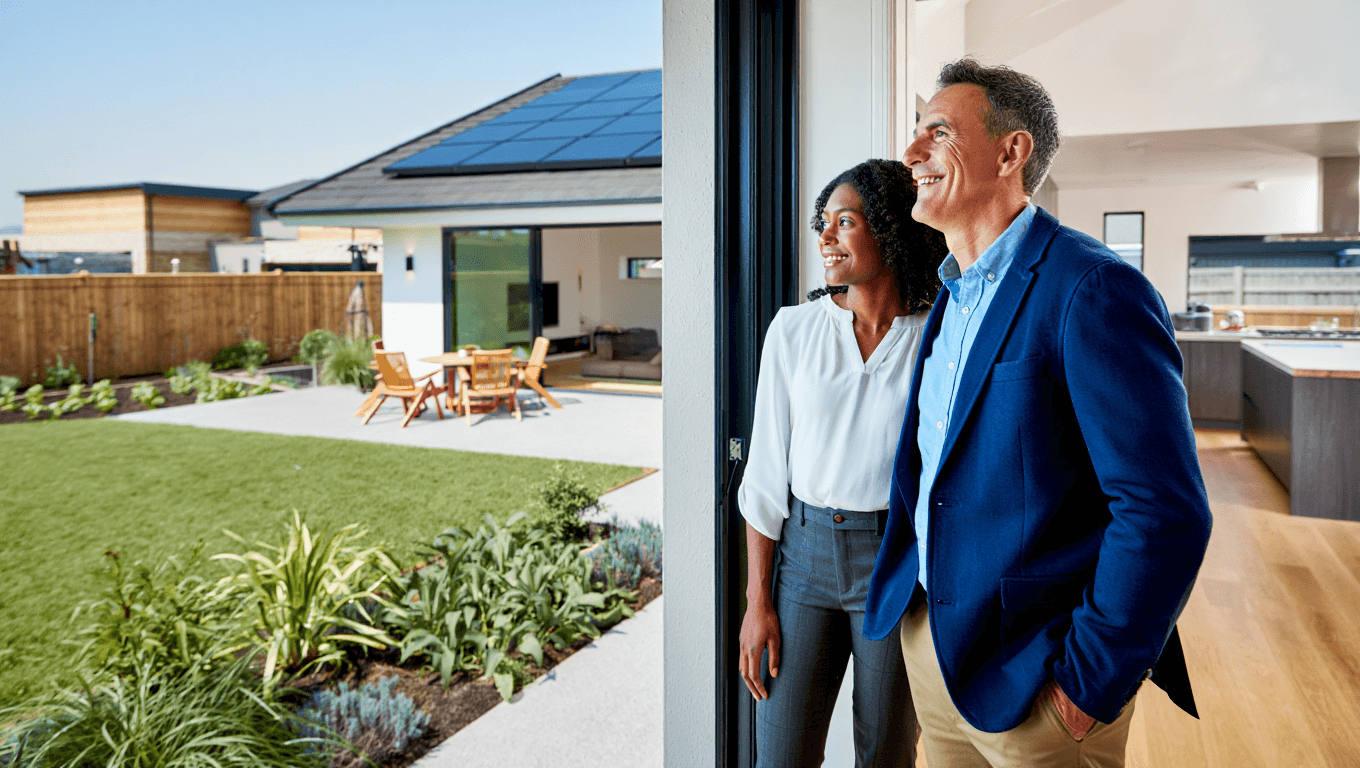
Home shoppers in 2026 are increasingly willing to pay a premium for particular attributes that promise lower bills, more convenience and a better fit for daily life. What matters now is less about square footage alone and more about features that support remote work, sustainability and modern mobility — changes that are reshaping what buyers expect and what sellers must offer.
Real estate professionals and developers report a steady shift in buyer priorities: energy-saving upgrades, space for work, outdoor living and electric vehicle infrastructure now influence offers and closing prices. These aren’t niche preferences — they affect valuation, marketing strategies and which renovations deliver the best returns.
Which features command higher offers — and why
Buyers commonly cite three practical reasons for paying more: reduced ongoing costs, immediate lifestyle benefits, and future resale appeal. For example, a property with energy-efficient systems can lower utility expenses and sometimes qualify for incentives, while a finished home office can remove the time and expense of converting space after purchase.
| Feature | Why buyers value it | Typical payoff for sellers |
|---|---|---|
| Energy efficiency (insulation, heat pumps, solar) | Lower utility bills, tax credits, and growing buyer awareness of operating costs | Often high — improves marketability and can reduce time on market |
| Dedicated home office or flexible workspace | Immediate usability for remote or hybrid work; fewer post-purchase upgrades needed | Medium–high — adds appeal to a wide buyer pool |
| Outdoor living (patios, gardens, privacy) | Expanded usable space and lifestyle value, especially in dense areas | Medium — strong in suburban and urban neighborhoods |
| Smart home systems and modern wiring | Convenience, security and future-proofing for tech-minded buyers | Low–medium — boosts perception of quality even if dollar returns vary |
| EV charger readiness | Essential for electric-vehicle owners and an increasingly common buyer expectation | Medium — quickly becoming a standard in many markets |
| Walkability and transit access | Reduces commuting costs and broadens buyer appeal, especially among younger buyers | High — strong impact on long-term value in city markets |
What this means for sellers and builders
Sellers should avoid blanket upgrades and instead focus on targeted improvements that align with local buyer demand. In neighborhoods where transit and restaurants matter, investments in curb appeal and interior finishes may beat an expensive kitchen overhaul. In suburban markets, adding an EV charger or finishing a basement office may be a smarter spend.
For builders and developers, the mandate is similar but scaled: incorporate the most sought-after elements into standard plans rather than treating them as optional extras. That approach shortens sales cycles and helps new inventory match buyer expectations from day one.
How buyers can decide where to spend
- Prioritize features that reduce ongoing costs — like efficient heating, cooling and insulation — if you plan to stay long term.
- Consider lifestyle: a ready-made office or outdoor space can deliver immediate value even if they don’t raise appraisal values dramatically.
- In areas with fast EV adoption, ability to install a charger can be a strategic advantage at resale.
Appraisers and lenders are also adapting. As buyer preferences shift, valuation practices increasingly consider energy upgrades and home-technology infrastructure when comparable sales permit — a slow but meaningful change that affects financing and pricing.
In short, buyers in 2026 are paying for features that save money, save time and match how people live today. For anyone selling, renovating or building, the lesson is to align investments with those practical priorities rather than chasing broad cosmetic trends.
Similar Posts
- Property value jumps from smart landscaping: affordable projects that pay off fast
- Home renovations to skip: 6 costly upgrades that add little resale value
- Sell antiques online for top dollar: expert tips to boost listings today
- Gen Z decor tricks: achieve a high-end look without breaking the bank
- Office leasing 2026: risks and opportunities for New York, San Francisco and London

A champion of quality and authenticity, Emily delves into Australian-made products and their impact on global markets. With a focus on sustainability, she helps readers understand why these goods are leading the trade world.

