
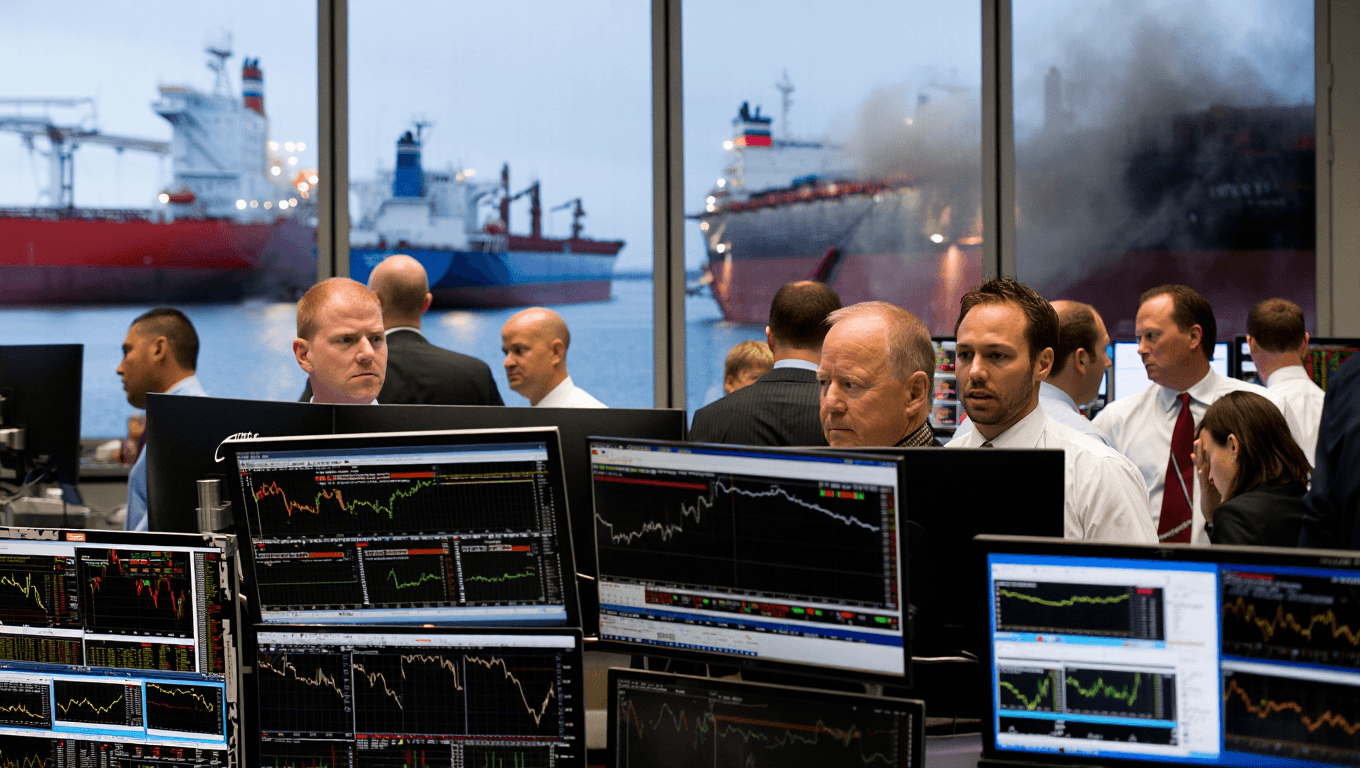
Oil markets eased after a period of sharp volatility as the Strait of Hormuz stayed largely closed, relieving some immediate supply fears while leaving longer-term uncertainty over shipping routes, insurance costs and regional tensions. Traders pared back earlier spikes after importers and tankers began rerouting, but analysts warn the situation could still trigger intermittent price jumps and higher costs for consumers.
Shipping disruptions around the Gulf have a direct effect on oil flows: the Strait of Hormuz normally channels a significant share of seaborne crude, and when transits slow or stop, operators scramble to find alternatives. That adjustment—longer voyages around the Cape of Good Hope or increased reliance on pipelines and storage hubs—dampened the initial panic in markets, even as logistical expenses rose.
Market dynamics are now balancing two forces. On one side, the prospect of tighter physical supply pushed trading desks to bid prices up in the immediate aftermath of the blockade. On the other, practical responses by refiners, traders and shippers—plus concerns about weakening demand in key economies—have pulled some buying interest back, creating the retreat seen in recent sessions.
How this plays out depends on several moving parts. If vessels continue to avoid the Strait for an extended period, shipping costs and war-risk insurance premiums could stay elevated, adding to the delivered cost of crude. Conversely, a rapid diplomatic or security de-escalation would likely send prices lower again as oil that was diverted or held back returns to market.
Immediate implications for different actors
– Shipping and logistics: Longer voyages and rerouting increase fuel consumption and voyage time, disrupting schedules and tightening tanker availability.
– Traders and refiners: Short-term supply gaps can be covered by tapping regional storage or shifting grades, but those measures are costly and constrained.
– Consumers and businesses: Elevated transport and insurance expenses can filter into refined fuel prices, especially if disruptions persist.
– Financial markets: The heightened geopolitical risk tends to boost volatility and lift safe-haven flows into currencies and bonds.
A closer look at insurance and costs explains why a largely closed Strait matters even when crude inventories are ample. War-risk premiums on tanker voyages spiked during the disruption, making alternative routes more expensive and incentivizing traders to seek inland pipeline solutions or draw on floating storage. That created a countervailing pressure: while physical barrels became harder to move through the shortest route, the market found—and paid for—workarounds that eased the immediate supply squeeze.
Technical trading patterns also influenced the retreat. After a sharp rise, speculators took profits and some hedged positions were unwound, reducing upward momentum. At the same time, data showing stable commercial stockpiles in major consuming countries moderated scarcity fears, though those figures can change quickly if the closure continues.
What to watch next
– Any signals of re-opening: transit activity through the Strait, statements from regional authorities or coordination with naval forces.
– Shipping indicators: tanker routes, time-charter rates and war-risk insurance levels.
– Inventories and refinery runs: if stocks fall or runs ramp up, prices could rebound.
– Policy responses: emergency releases, diplomatic moves or adjustments from major producers.
For readers, the practical takeaway is that energy prices remain sensitive to disruptions in chokepoints like the Strait of Hormuz. Even when headline prices fall, elevated shipping and insurance costs can push pump prices and industrial energy bills higher over time. With the situation still fluid, markets are likely to swing with new developments, and consumers and businesses should expect intermittent volatility until shipping through the region normalizes.
Similar Posts
- Oil slips as potential Strait of Hormuz deal eases supply fears
- Oil near $100: Iran threatens prolonged closure of the Strait of Hormuz
- Oil prices slip as fresh diplomacy raises odds of Iran ceasefire
- Oil prices climb after Iran conflict intensifies: markets shrug off Trump’s denials
- Oil prices climb on Iran tension fears after Trump’s threat of US strike

A logistics expert, Ethan shares tips to optimize supply chains and reduce freight costs in global trade.

