
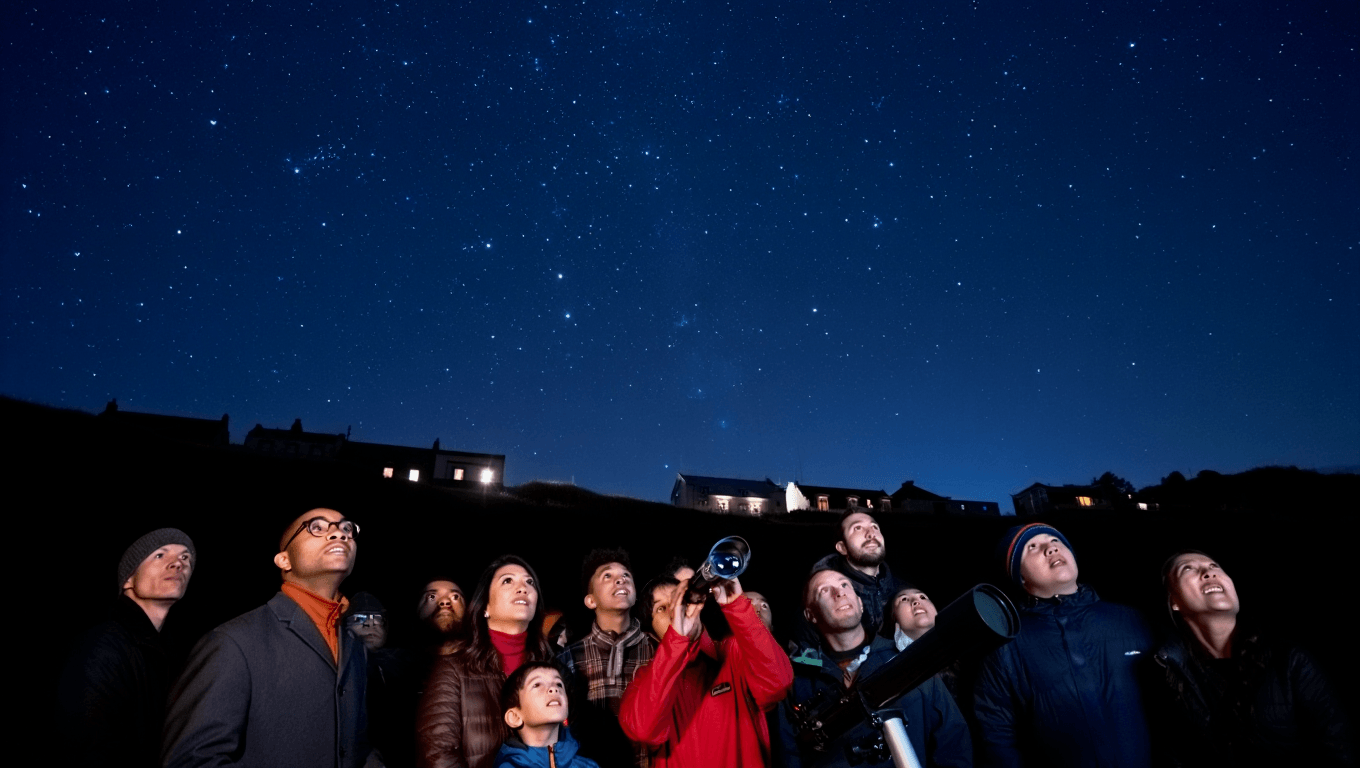
As artificial light spreads across the planet, quiet pockets where the stars remain vivid are becoming travel destinations in their own right. For people planning short escapes or weeklong trips, a handful of small towns and gateway communities now combine comfortable visitor services with intentionally preserved night skies—places where the view of the Milky Way still feels unspoiled.
| Place | State | Why go |
|---|---|---|
| Flagstaff | Arizona | Historic lighting ordinances, Lowell Observatory, nearby meteor crater |
| Beverly Shores | Indiana | Lake Michigan beaches at night, adjacent to Indiana Dunes National Park |
| Verde Valley / Sedona area | Arizona | Multiple viewing spots, observatory access, star parties |
| Dripping Springs | Texas | Hill Country escape, Hamilton Pool, first Texas dark-sky community |
| Norwood | Colorado | High-desert clarity, low humidity and exceptional transparency |
| Borrego Springs | California | Surrounded by state park, on-site observatory and guided night trips |
| Torrey | Utah | Gateway to Capitol Reef’s dark skies and historic Fruita orchards |
| Ketchum / Sun Valley | Idaho | Part of a central Idaho Dark Sky Reserve; mountain reflections enhance views |
| Kaibab Paiute Reservation (Thunder Mountain Pootseev) | Arizona | Recognized as a dark-sky nation; close to Grand Canyon routes |
| Homer Glen | Illinois | Short drive from Chicago, crisp winter skies |
The movement to protect night skies has grown steadily since the early 2000s. The International Dark‑Sky Association and its designation program have encouraged towns, parks and reserves to curb excessive lighting and to educate residents and visitors. Today, several dozen parks and hundreds of communities worldwide carry some form of recognition; in the United States, fewer than two dozen settlements combine easy visitor access with strict outdoor lighting controls.
Flagstaff, Arizona
Flagstaff is often cited as the model for urban lighting policies. Decades before dark‑sky certifications existed, the city adopted ordinances aimed at reducing glare and protecting astronomical research—efforts that later earned formal recognition.
Daytime itineraries here pair naturally with night programs: tours at Lowell Observatory (the place linked to the discovery of Pluto) and a short drive to Meteor Crater give context to the skies you’ll study after dark.
Beverly Shores, Indiana
Small and quiet, Beverly Shores sits on a narrow stretch of Lake Michigan shoreline and draws families and photographers who want a beachside stargazing experience without a long drive. Its proximity to Indiana Dunes National Park and service by the South Shore rail line make it an unusually accessible option for Chicago residents.
Verde Valley (Sedona area), Arizona
The red-rock landscapes around Sedona are famed for daytime vistas—and for exceptional evening panoramas. Several neighboring towns in the Verde Valley are certified to protect night skies, with formal viewing areas and recurring star parties organized by local astronomy groups.
For a hands‑on experience, some operators offer overnight camping with telescopes and guides, while nearby observatory sites and pullouts along route 89A provide easy access for independent stargazers.
Dripping Springs, Texas
Just outside Austin, Dripping Springs markets itself as a Hill Country retreat that keeps the night dark. Natural attractions such as Hamilton Pool Preserve fill daytime hours; after sunset, local policies that limit intrusive lighting help preserve traditional campfire and stargazing evenings.
Norwood, Colorado
Norwood is tucked in a high‑desert pocket west of the San Juan Range. Low humidity and thin air here reduce atmospheric haze, making constellations appear sharper than in more humid regions. The town’s remoteness also means lower background glow—ideal conditions for photographers and serious amateur astronomers.
Borrego Springs, California
Enclosed by Anza‑Borrego Desert State Park, Borrego Springs functions as a civilization hub for desert visitors who want night-sky programming. Local campgrounds and a small observatory at a resort host regular viewing nights, while outfitters run guided excursions that include gear and astronomy expertise.
Torrey, Utah
Torrey opens onto Capitol Reef National Park, an International Dark Sky Park. Nights here can feel monumental: after dark, the park’s rock formations silhouette against a thick field of stars. By day, the Fruita Rural Historic District offers orchards and short hikes that pair well with evening observation.
Ketchum and the Central Idaho Dark Sky Reserve
Centered on Sun Valley and Ketchum, this large reserve gives visitors mountain‑backdropped star fields and reflective lake surfaces that amplify the view. Popular vantage points include Knob Hill and Redfish Lake, both of which attract astrophotographers hunting meteors, comets and the Milky Way’s band.
Thunder Mountain Pootseev Nightsky (Kaibab Paiute Reservation)
The Kaibab Paiute Reservation stands out because the community’s entire territory has been preserved for dark‑sky access—making it a rare example of a sovereign land designated for sky protection. Located roughly fifty miles north of Grand Canyon National Park, it can be combined with Grand Canyon itineraries while offering a markedly darker sky.
Local sites such as Pipe Springs National Monument provide daytime historical context before nights spent scanning for planets and brighter deep‑sky objects.
Homer Glen, Illinois
Thirty miles south of downtown Chicago, Homer Glen is a convenient option for city dwellers wanting a short getaway. Winter nights are often the clearest, when frigid, dry air helps puncture through urban haze and reveal a crisp star field.
- Plan timing: New‑moon windows yield the best visibility; local astronomy clubs often publish star‑party dates.
- Bring layers: Even summertime deserts get cold after sunset; warm clothing extends comfortable viewing time.
- Respect rules: Many certified communities ask visitors to limit bright white lights and follow parking or access guidelines.
- Use apps responsibly: Star‑chart tools and red‑light flashlights improve the experience without harming night vision.
Dark‑sky certifications are more than travel badges: they reflect local choices about energy use, wildlife protection and cultural connection to the night. For travelers, picking a certified destination means not only better stargazing, but also an experience shaped by communities that have chosen to keep their nights intentionally dark.
Similar Posts
- Discover Hidden Gems: Top 10 Least-Visited US National Parks in 2022!
- North America’s Top Winter Getaways: Discover the Magic and Splendor
- Explore Now: 8 Hidden Gems of North America You Must Visit!
- US national parks: 10 can’t-miss landscapes to add to your 2022 travel list
- New England fall foliage: where to drive now for peak autumn color

A globe-trotter and international trade enthusiast, Oliver explores the connection between business travel and trade opportunities.

