
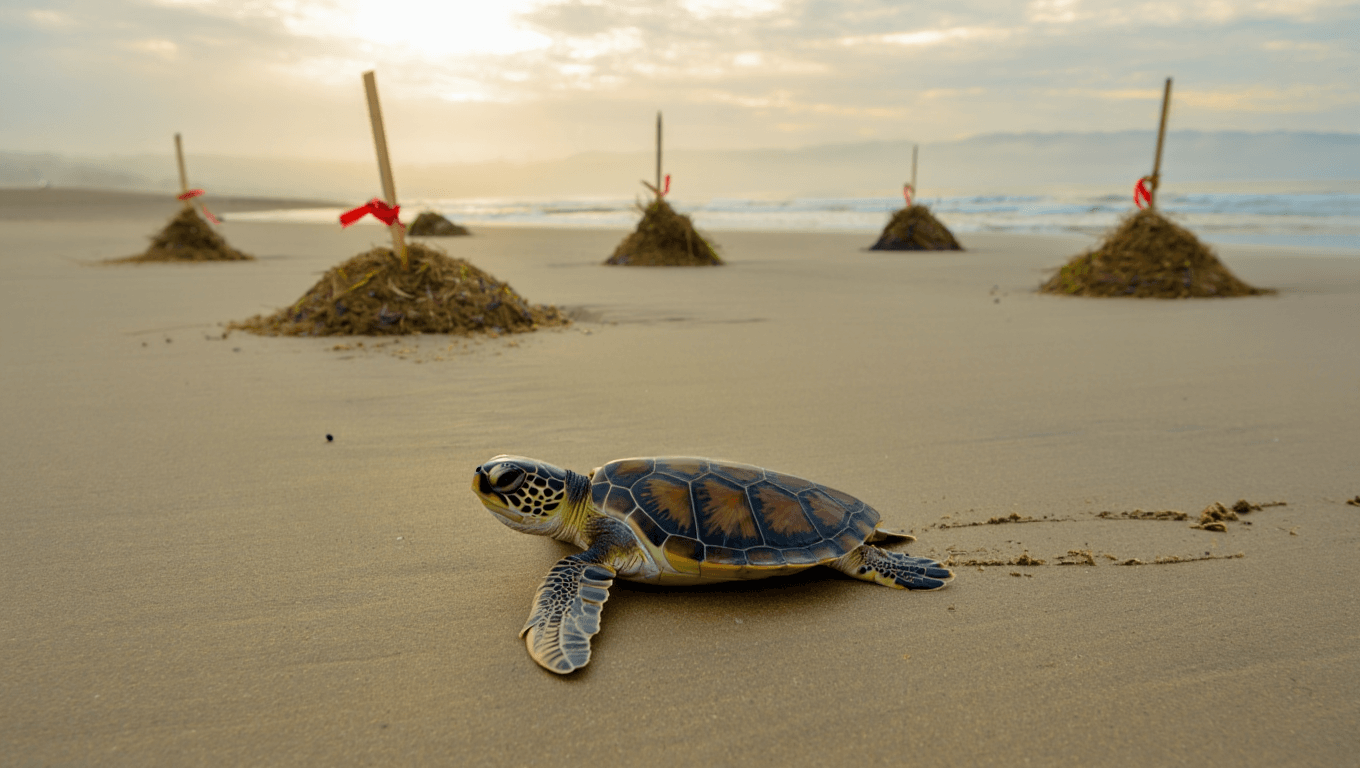
Encounters with sea turtles are becoming rarer as their nesting beaches and feeding grounds face mounting pressure from climate change, pollution and expanding coastal tourism. The next few years will be decisive: without stronger protections and smarter travel choices, many iconic populations could disappear from the places travelers still visit today.
Why sea turtles are under pressure
Of the seven species of sea turtles, conservation groups list six as threatened or endangered. The IUCN and NGOs such as WWF warn that some populations — notably leatherbacks in the Eastern Pacific — have plunged sharply in recent decades, with reports of declines approaching 90% in certain regions over the past 30 years.
Major threats are well documented: commercial fishing gear unintentionally captures turtles (known as bycatch), marine debris and discarded nets choke or are swallowed by animals, and illegal hunting for meat and shells persists, often facilitated through online markets despite international protections like CITES. Climate change compounds these problems by altering nesting conditions and skewing hatchling sex ratios toward females.
Tourism can harm — or help
Coastal development and recreational use of beaches disrupt nesting behavior, light pollution confuses hatchlings, and careless visitors can damage fragile dune ecosystems. Yet tourism can also be a source of funding, local employment and public awareness when it is managed with conservation at its core.
Examples from protected beaches show what works: ranger-led night walks, regulated viewing times, community education programs and small-scale ecotourism that channels revenue into monitoring and beach protection. Where those measures are in place, nesting success and local support for conservation often improve.
- Respect nesting beaches: follow local rules, keep to marked paths and avoid bright lights at night.
- Refuse wildlife products: do not buy souvenirs made from turtle shell or other animal parts.
- Pick responsible operators: book tours that follow codes of conduct for viewing hatchlings and snorkeling.
- Reduce plastic and gear hazards: carry reusable bags, and report or collect visible fishing line and debris.
- Use reef‑safe sunscreen and avoid disturbing animals while diving or kayaking.
- Support local conservation: donate to verified projects or volunteer with established programs.
Quick reference: six destinations and when to visit
| Location | Common species | Best time to visit | Why go |
|---|---|---|---|
| Mon Repos, Australia | Loggerhead | Nov–Mar (nesting & hatchlings) | Large loggerhead colony with ranger-led night walks and community programs. |
| Tetiaroa, French Polynesia | Green | Nov–Jan (hatchings often at dawn) | Low-impact atoll conservation with guided hatchling viewings. |
| Jekyll Island, Georgia, USA | Loggerhead | May–Oct (nesting season) | Guided patrols and a sea turtle hospital that runs education programs. |
| Red Sea (Marsa Alam, Egypt) | Green, Hawksbill, Olive Ridley | June–Sep (peak activity) | Shallow bays where turtles graze on seagrass; strong snorkeling and diving access. |
| Galápagos Islands | Green | June–Nov (dry season, clearer water) | Exceptional biodiversity; many operators combine visits with conservation projects. |
| Bunaken Marine Park, Indonesia | Green, Hawksbill | Mar–Nov (best conditions) | High-density dive sites where multiple turtles are regularly sighted. |
On the ground: sensible planning tips
Not every destination manages visitors the same way. In many protected sites you will need to join a guided walk for night viewing; in others, early morning patrols monitor nests and may invite volunteers. Buy tickets or join official programs in advance during nesting seasons — many centers limit numbers to reduce stress on the animals.
Small choices make a measurable difference: choosing lodgings that minimize beachfront light spill, traveling with operators who fund local monitoring, and avoiding single‑use plastics all help protect nesting beaches. If you want a closer involvement, look for community-run initiatives that train local guides and reinvest revenue into habitat protection.
Why this matters now
Sea turtles link ocean health, coastal livelihoods and cultural traditions across continents. Their decline signals broader problems — damaged reefs, collapsed fisheries and rising coastal risks from erosion. For travelers, the chance to see turtles in the wild is not only a memorable experience; it is also a responsibility. Making informed choices on where to go and how to act once there can tip the balance toward recovery for these ancient marine species.
Similar Posts
- Discover Greece: Top Sustainable Tourism Experiences You Can’t Miss!
- Hawaii travel: 16 practical habits visitors should adopt to protect the islands
- Uncover Thailand’s Ethical Elephant Encounters: Choose Wisely and Responsibly!
- Nairobi wildlife now: see safari animals without leaving the city
- Ultimate Wildlife Watching Guide: Top Tips for Spotting Animals Globally

A globe-trotter and international trade enthusiast, Oliver explores the connection between business travel and trade opportunities.

