
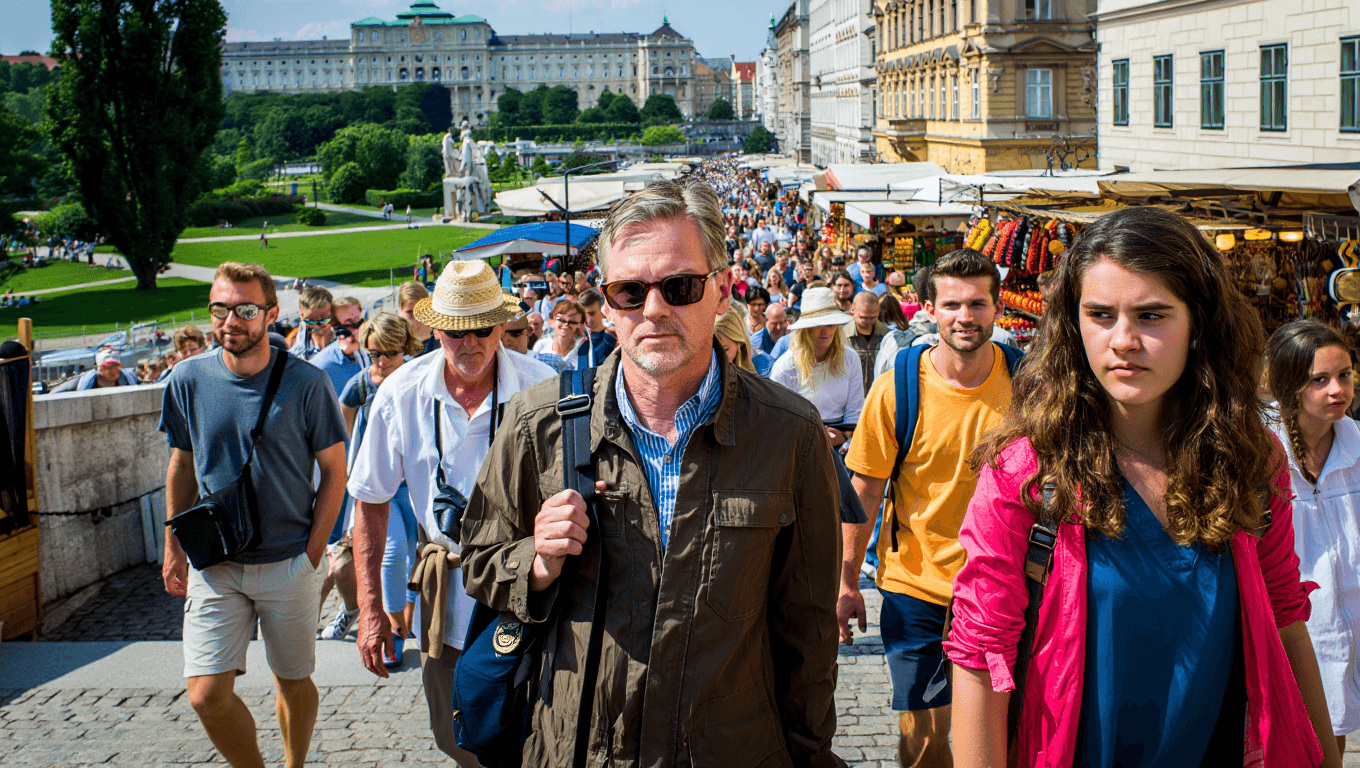
Vienna already feels like sustainable travel made simple: grand palaces and centuries-old streets sit alongside expansive parks, thriving local markets and an efficient public-transport network. With more travelers seeking low-impact trips, knowing how to visit thoughtfully here matters—both for preserving the city’s character and for getting a richer experience yourself.
Plan around crowds to protect places and your visit
Some of Vienna’s most visited sites remain magnets for peak-hour bottlenecks. Arriving early or late at major attractions not only gives you quieter views but also spreads visitor pressure across the day.
Traveling in shoulder months makes a difference. Spring and autumn tend to be milder and less busy, which means more relaxed museum visits, shorter lines and fewer rushed meals. Staying longer than a weekend opens doors to neighborhoods beyond the Innere Stadt where local life is on display.
Where to sleep: pick accommodations that reduce impact
Short-term rentals in residential blocks are now more regulated; choosing established hotels that prioritize sustainability is a simpler way to support Vienna’s urban policies and low-impact tourism.
Look for lodgings that carry recognized green credentials, source locally, or reduce energy use with solar panels and timber construction. Some smaller properties use reclaimed materials or partner with local artisans—simple choices that funnel tourist spending back into the community.
Quick practical benefits: eco-focused hotels often offer better waste separation, lower water footprint and local breakfasts—small differences that add up over a stay.
Eat with the season and follow the markets
Markets are the backbone of Viennese food culture. Stalls at places such as Naschmarkt and Brunnenmarkt showcase produce from nearby farms and regional suppliers; sampling there supports short supply chains and reduces food miles.
Restaurants across the city increasingly rotate menus to match local harvests—spring asparagus, autumn pumpkins—so choosing seasonal dishes both reduces environmental cost and introduces you to authentic flavors.
- Tip: Try farm-to-table restaurants or neighborhood trattorias rather than chains.
- Seek out plant-forward options—Vienna’s vegetarian and vegan scene has grown notably in recent years.
- Sip local wine at a small tavern: Vienna’s urban vineyards and traditional Heurigen remain part of the city’s living agricultural heritage.
Buy well-crafted souvenirs, not mass-made trinkets
Opt for items that reflect Vienna’s design history—handmade porcelain, glassware, or small-batch design objects—so your purchases support local workshops and reduce demand for disposable goods.
Affordable choices exist too: regional specialties and artisanal food products make meaningful mementos while keeping money in the local economy.
Green spaces are part of the city, not an escape
Almost half of Vienna is green or open space: from the formal gardens around the palaces to large parks and the Vienna Woods on the city’s edge. You don’t need a day trip to find woodland trails or waterside spots for relaxation.
In summer the Danube’s side channels and urban baths attract swimmers and paddlers; on cooler days the city’s hiking routes connect neighborhoods to vineyards and forested hills.
Support social enterprises that rebuild lives
Vienna hosts a number of social businesses that train and employ people who face barriers to work. Choosing a guided walk, a community-focused cafe, or a restaurant run by social initiatives channels tourist spending into programs with measurable local benefits.
Move around without a car
The public-transport network is comprehensive and easy to use; trams, buses and metro lines knit the city together. Many visitors find the historic center highly walkable and use transit for longer hops.
Bike-share systems and an expanding network of cycle paths add flexibility. With so many options, renting a car is rarely necessary and tends to increase your trip’s environmental footprint.
Cut single-use waste and drink the mountain water
Vienna’s tap water comes from alpine sources and is widely regarded as high quality; refillable bottles and the city’s numerous drinking fountains make it simple to avoid disposable plastic.
The local deposit-return scheme for bottles encourages recycling—look for the Pfand label at supermarkets. Waste sorting is part of daily life here; following local practices helps reduce landfill and keeps streets clean.
Simple checklist for a lower-impact Vienna visit
- Time attractions to off-peak hours and travel in shoulder seasons.
- Choose accredited eco-conscious hotels or locally operated guesthouses.
- Shop and eat at markets and family-run restaurants that source regionally.
- Prefer public transit, bikes or walking over rented cars.
- Bring a refillable bottle and use public fountains—avoid single-use plastics.
- Buy locally made crafts and support social enterprises where you can.
Travelers who make small, intentional choices in Vienna help keep its parks green, neighborhoods livable and cultural sites enjoyable for future visitors. The city’s infrastructure and civic culture already make sustainable travel straightforward; choosing to follow that path enriches your visit and protects what makes Vienna special.
Similar Posts
- Top 8 Eco-Friendly Destinations: Where Sustainability Takes Center Stage!
- Eco-Friendly Travel Tips: 6 Easy Ways to Positively Impact Your Next Trip
- Explore Puerto Rico Sustainably: Top Eco-Friendly Travel Tips!
- Explore Edinburgh Like a Pro: Top Travel Tips and Tricks for the City!
- Athens overtourism: Lonely Planet maps quiet routes and crowd-beating tips

A globe-trotter and international trade enthusiast, Oliver explores the connection between business travel and trade opportunities.

