
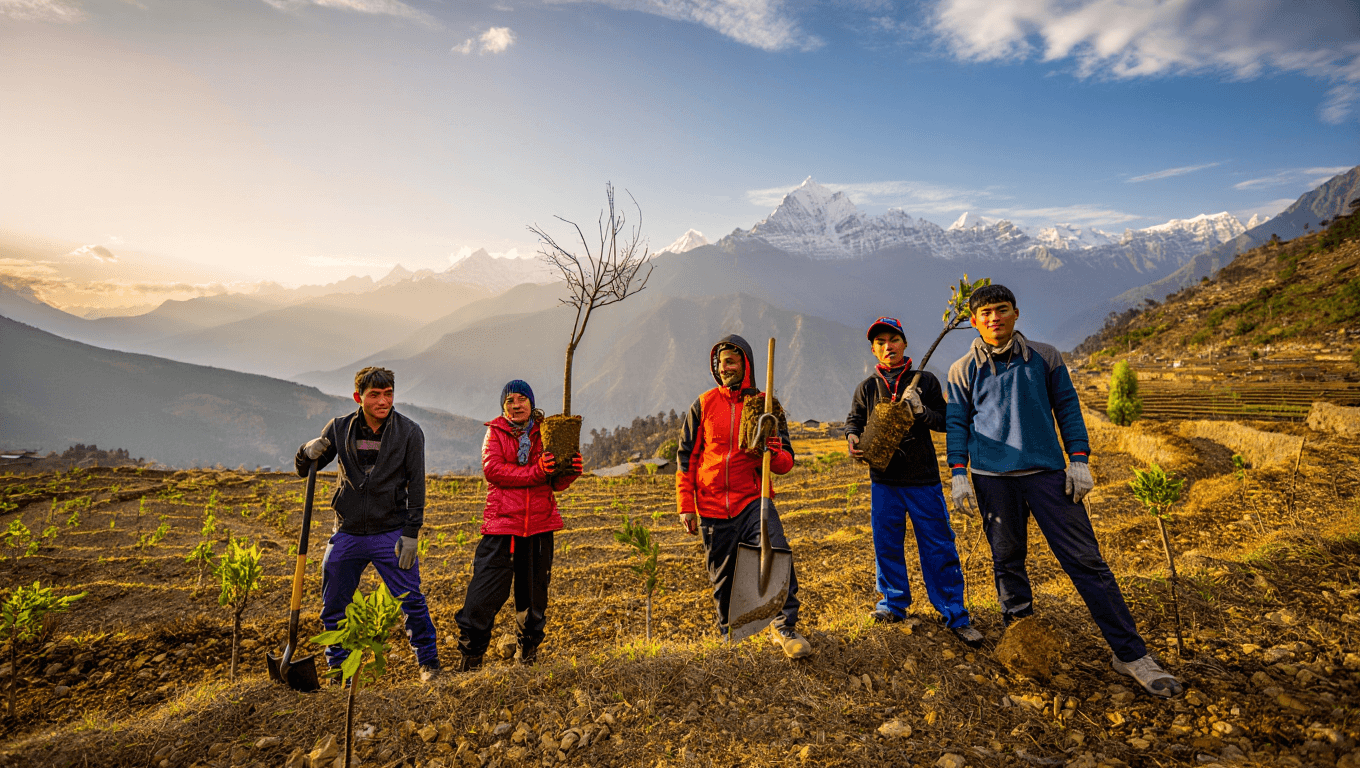
A month volunteering high in a Himalayan valley reshaped how I travel and what I expect from volunteer programs — and that matters now more than ever. With more people seeking meaningful trips and the environmental and social stakes rising, how you choose to volunteer can either support resilient communities or deepen existing harms.
Ask yourself what you really want to give — and get
Many people sign up to help out of goodwill, but good intentions don’t guarantee good outcomes. Volunteering framed as one-way rescue can slip into a savior mindset, unintentionally privileging outside perspectives over local expertise.
Treat volunteering as an exchange: aim to learn as much as you contribute. That shift helps you enter communities with humility and makes room for mutual benefit rather than short-lived heroics.
Match your skills to real needs
One common problem organizations face is a skills mismatch — volunteers arrive eager to help but unable to perform the tasks needed. Before committing, take stock of what you actually do well.
If you’ve taught before, classroom or tutoring roles may be appropriate. If you work in communications or design, fundraising and outreach are often a better fit than unrelated frontline tasks. The right match increases value for the host and ensures your time is spent productively.
- Questions to ask an organization:
- Who decides the program priorities — visitors or local leaders?
- Are volunteers given training and clear roles?
- How does the project measure progress and report results?
- What safeguarding policies exist for vulnerable groups?
Be alert for greenwashing
As climate concerns rise, many groups highlight sustainability in their messaging — but words don’t equal impact. Greenwashing happens when initiatives overstate environmental benefits without clear, verifiable action.
Look for tangible evidence: are native species used in reforestation projects? Do energy programs include community ownership or capacity-building? Is there public monitoring of outcomes? Short-term photo ops are not the same as durable environmental work.
Volunteering with children requires extra care
Working with kids can be rewarding, but short rotations of volunteers can be destabilizing for children who need consistent adults. Orphanages and schools serving vulnerable children should have robust safeguarding, background checks, and a model that prioritizes child wellbeing over volunteer income.
If you want to work with young people, seek programs that emphasize continuity — long-term staff, local leadership and training that builds local capacity rather than dependency.
Think critically about animal projects
Animal sanctuaries attract volunteers, but not every place that calls itself a sanctuary operates ethically. Ask whether the facility focuses on rehabilitation and release, or if it keeps animals primarily for visitor interactions.
A responsible program will limit direct contact, prioritize species-appropriate care, and work on habitat restoration or public education that reduces future harm.
Focus on long-term impact
The difference between a feel-good trip and meaningful engagement is often time horizon. Short-term help can provide immediate labor or funds, but long-term, locally led projects are likelier to produce systemic benefits.
On my own trip I helped launch a small monastery exchange and used my communications skills to build online visibility. That short placement rippled into a career shift toward responsible travel storytelling — and it only worked because the project had clear local leadership and continued goals.
Quick checklist before you commit
- Is the project community-led or externally driven?
- Are outcomes tracked and shared publicly?
- Does the program align with your skills and availability?
- What safeguarding and animal-welfare policies are in place?
- Does the organization demonstrate long-term planning over one-off interventions?
Where to start your search
- Globe Aware — Short-term placements focused on community projects around the world.
- HelpX — A volunteer-host platform connecting travelers with hosts, including farm and teaching opportunities.
- International Volunteer Program Associations (IVPA) — A network that lists vetted member organizations.
- WWOOF (World Wide Opportunities on Organic Farms) — Placements on organic farms that emphasize learning and exchange.
Deciding to volunteer is a meaningful step, but the impact depends on choices made before you arrive. Ask tough questions, align your abilities with local priorities, and favor transparency and longevity. That way your time away can support communities, protect environments, and leave a lasting positive mark.
Similar Posts
- Discover Ethical Wildlife Conservation: Essential Tips for Your Next Adventure
- Join Global Coral Regeneration Efforts: Here’s How You Can Make a Difference!
- Transportation groups demand sweeping highway bill as funding deadline looms
- Portugal’s Golden Visa: Is It the Top Choice for Americans?
- Tech Communities Ignite Growth: How They’re Becoming Self-Sustaining Powerhouses!

A globe-trotter and international trade enthusiast, Oliver explores the connection between business travel and trade opportunities.

