
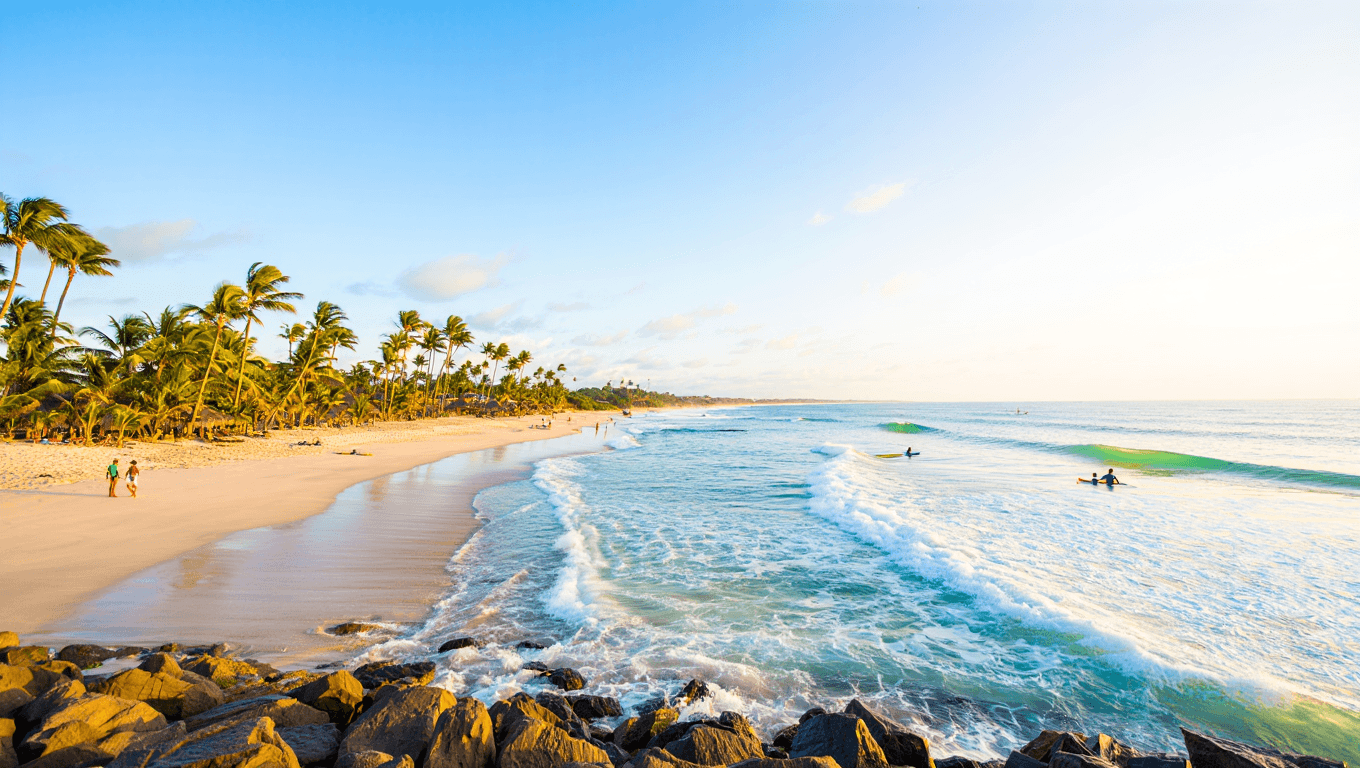
Nicaragua’s coastline can feel like several countries in one: on the Pacific side, long crescent beaches and surf breaks run toward Honduras; on the Caribbean side, small, palm‑lined islands offer remote calm. With travel picking up again and extended stays more common, knowing which shore fits your plans — surf, wildlife, solitude or nightlife — matters now more than ever.
| Beach | Why go | Best time to visit |
|---|---|---|
| Otto Beach, Little Corn Island | Caribbean atmosphere, calm swimming, nearby reefs for snorkeling | Year‑round; dry season easier travel |
| Playa Maderas | Consistent surf, beginner and advanced breaks | April–September (stronger swells) |
| Playa La Flor | Major turtle nesting site (leatherback and olive ridley) | July–January (nesting season) |
| San Juan del Sur | Vibrant nightlife and easy access to nearby surf spots | Year‑round for events; holiday peaks |
| Las Peñitas | Closest beach to the colonial city of León; relaxed surf scene | Dry season for clearer skies |
| Punta Jesús María, Ometepe | Black‑sand swimming spit with volcano views | Dry months for the exposed sandbar |
| Pearl Cays | Remote islets with white sand and snorkeling stops | December–April (calmer seas) |
Otto Beach, Little Corn Island
Best for: Caribbean calm and easy snorkeling
Little Corn Island sits off Nicaragua’s eastern shore and delivers the classic island picture: palms, soft sand and translucent water — but without the crowds and prices of more famous Caribbean spots. There are no cars; reaching the islet means a short domestic flight from Managua and a lively boat trip from the larger Corn Island.
The most frequented stretch, Otto Beach, is ideal for easy swims and long sunsets. Lodging ranges from simple cabanas to upscale boutique stays, but the shoreline is public. For underwater life, nearby reef formations are clear and accessible to snorkelers and divers.
Playa Maderas (Rivas)
Best for: Surfing
Just north of the better‑known San Juan del Sur, Playa Maderas has become a magnet for surfers — and for those who enjoy the surf‑camp atmosphere. The beach offers reliable lefts and rights throughout much of the year and hosts regional contests that draw experienced riders.
Beginners will find gentler zones and schools offering lessons and rentals. Beyond surfing, the area has mellow cafés, yoga sessions and an upbeat mix of visitors: backpackers, remote workers and families looking for a quieter beach base.
Playa La Flor (Rivas)
Best for: Watching sea turtles
La Flor Wildlife Refuge, about 20 km from San Juan del Sur, is one of Nicaragua’s most important nesting beaches. From mid‑year into the start of the new year, endangered leatherbacks and olive ridleys come ashore to lay eggs.
Visitors can join guided outings with park rangers to witness both solitary leatherback landings and the dramatic mass nesting events — the arribada — when thousands of smaller olive ridleys come ashore at once. Camp sites exist but are basic; nearby guesthouses offer more comfortable accommodation.
San Juan del Sur
Best for: Nightlife and convenience
Once a fishing village, San Juan del Sur is now a hub for travelers seeking a social scene on the Pacific coast. The bay’s broad, crescent beach is suited to casual sunbathing, sunset walks and beachfront dining. Lookouts above town provide sweeping views of the harbor and surrounding hills.
Beyond bars and restaurants, the town is a practical base: a range of lodging options, surf shops and transport links. For partygoers there are famously lively weekend events, while nearby beaches like Playa Hermosa offer world‑class waves.
Playa Las Peñitas (near León)
Best for: City access with a beach escape
Only about a half‑hour ride from the colonial center of León, Las Peñitas is a favorite for city dwellers and visitors wanting a quick coastal getaway. The sand is broad and the waves are generally friendly for learners and intermediate surfers.
Along the shoreline you’ll find a mix of laid‑back hostels and modest hotels. A short boat or kayak trip takes you into the nearby Juan Venado Natural Reserve, where mangrove channels shelter migratory birds, nesting turtles and crocodiles.
Punta Jesús María, Isla de Ometepe
Best for: Volcano panoramas
Ometepe rises from Lake Nicaragua as two dramatic volcanic cones and is accessible by ferry from San Jorge. On the island’s lakeshore, the black‑sand spit at Punta Jesús María stretches out in drier months, creating a long, shallow swimming area with uninterrupted views of Volcán Maderas and Concepción.
Beyond the beach, Ometepe’s trails, rivers and cultural sites reward day trips and overnight stays. Kayak trips along the Rio Istián are a good option for spotting wildlife such as turtles and caimans.
Pearl Cays
Best for: Remote island hopping
The Pearl Cays are a scattering of small islets off the Caribbean coast, known for powdery white sand and clear turquoise water. Access requires a boat from the Pearl Lagoon area; most visitors reach the lagoon via Bluefields, the regional administrative center.
Boat tours — often in open pangas — combine island stops for snorkeling and fishing. Overnight options are limited unless you book higher‑end private islands; some local operators offer rustic camping trips that include meals and snorkeling equipment.
- When to go: Dry season (December–April) brings calmer seas for Caribbean crossings; Pacific surf peaks from April into September. Turtle nesting runs roughly July–January — plan visits with licensed guides to protect wildlife.
- How to get there: Travel infrastructure varies: some spots require short flights and boat transfers, others are reachable by bus or ferry. Expect rustic transport links in more remote areas.
- Why it matters: With small communities and sensitive ecosystems, responsible travel choices — from local guides to low‑impact stays — help protect these beaches for visitors and residents alike.
Similar Posts
- Cíes Islands: what new visitors must know before they go
- Discover Cambodia’s Hidden Gems: Explore the Secret Islands Most Tourists Miss!
- Explore the Caribbean Uniquely: Journey on a Bahamian Mail Boat!
- Explore the Bahamas Like a Pro: Essential Travel Tips for Easy Navigation
- Discover Puerto Rican Culture: Best Classes in San Juan Revealed!

A globe-trotter and international trade enthusiast, Oliver explores the connection between business travel and trade opportunities.

