
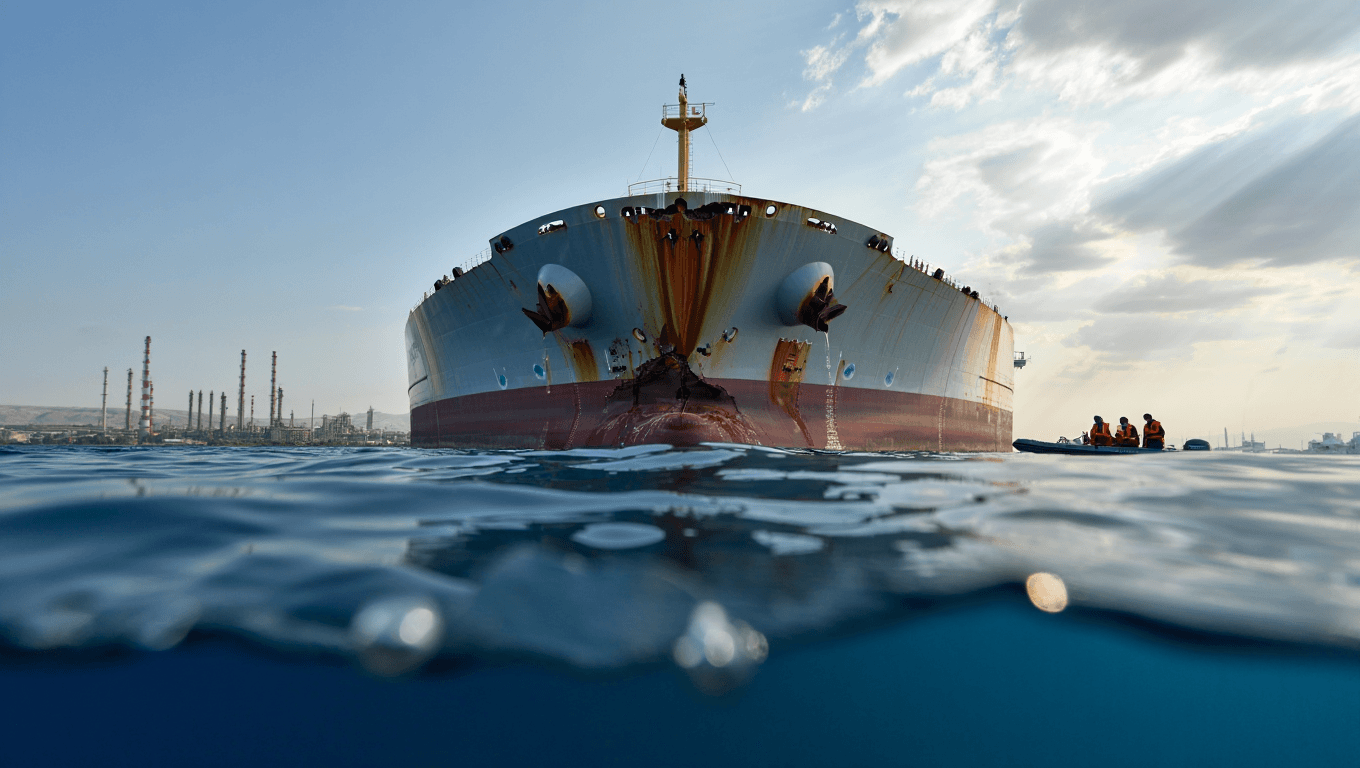
The fighting tied to Iran’s recent confrontation with regional adversaries has inflicted damage that will echo through global energy markets for years. Beyond immediate supply shocks, the conflict has undermined infrastructure, investor confidence and shipping routes in the Gulf — creating a recovery process that will be slow, costly and geopolitically fraught.
Physical repairs will take time
Damage to pipelines, terminals and offshore platforms is concrete and uneven — some sites can be back online in weeks, others will require months of heavy engineering and replacement parts that are hard to source under wartime conditions. Fixing subsea pipelines and rehabilitating offshore wells often involves specialized vessels and crews; those assets are scarce and expensive.
Ports and export terminals face their own hurdles. Repairs to berths and storage tanks are straightforward in principle but slowed by security concerns, insurance constraints and restricted access for foreign contractors. The result is a staggered restoration of capacity rather than a single, rapid rebound.
Logistics, insurance and workforce constraints
Even when physical infrastructure is intact, the practical flow of oil and gas is impeded. Shipping through the Strait of Hormuz — a chokepoint for roughly one-fifth of seaborne oil exports — has become riskier, prompting carriers to reroute around Africa or demand higher premiums. Those detours add days to voyages and raise transport costs.
Insurers have pulled back or dramatically hiked premiums for tankers and offshore operations, increasing operating costs and deterring some service providers. Meanwhile, skilled personnel — from rig technicians to port managers — are often unwilling or unable to return while security remains uncertain, creating a labor bottleneck that slows restart timelines.
- Infrastructure damage: offshore platforms, pipelines, storage tanks and terminals need phased repairs.
- Shipping disruptions: detours and convoying increase transit times and costs.
- Insurance and financing: higher premiums and risk-averse lenders delay contractors and investment.
- Workforce shortages: safety concerns and travel restrictions reduce available skilled labor.
- Supply-chain delays: parts and specialist vessels are limited and often subject to export controls.
Market implications: volatility and longer-term shifts
In the near term, markets respond to outages and heightened risk with price spikes and increased volatility. That pressure feeds into fuel bills for households and operating costs for industries worldwide, and it can push central banks to reassess inflation outlooks.
Over a multi-year horizon, the conflict accelerates several structural shifts. Consumers and governments may accelerate investments in strategic reserves and alternative suppliers. Energy buyers in Europe and Asia are likely to diversify procurement channels to reduce dependence on Gulf flows. Meanwhile, the economics of liquefied natural gas (LNG) and freight-intensive alternatives will come under fresh scrutiny.
Policy and investment consequences
Governments in the Gulf are expected to prioritize hardening key export infrastructure and expanding contingency stocks. But those measures are expensive and take time. At the same time, private investors are likely to shelve or scale back projects until the security situation stabilizes, creating an investment gap in maintenance and new capacity.
This dynamic interacts with global energy transition debates: some countries may double down on fossil-fuel security measures, while others use the shock to accelerate renewables and electrification to reduce exposure to geopolitically sensitive fossil fuel routes.
Recovery timeline: realistic expectations
| Phase | Typical duration | Main constraints |
|---|---|---|
| Initial stabilization | Weeks to 3 months | Immediate repairs to damaged pipelines, temporary rerouting of shipments |
| Partial restoration | 3 to 12 months | Terminal and onshore repairs, return of some staff, insurance conditions easing |
| Full operational recovery | 1 to 5 years | Rebuilding offshore platforms, replacing specialized equipment, restoring investor confidence |
These are broad estimates: a straightforward port repair can be completed relatively fast, while rebuilding damaged offshore fields or restoring complex export trains can stretch into multiple years. The pace will hinge on the duration and geographic scope of hostilities and whether international contractors can safely operate in the region.
What this means for readers
Expect continued price sensitivity in energy markets and periodic supply scares tied to any fresh escalation. For consumers, that typically translates into higher fuel and heating costs and, indirectly, rising prices for goods that depend on energy-intensive transport or production. For policy makers and corporate planners, the episode underlines the value of diversified supply chains, strategic storage and contingency planning.
No single action will return the Gulf’s energy system to its pre-conflict state overnight. Reconstruction requires capital, skilled labor and a stable security environment — all of which will take time to reestablish. The conflict’s legacy will be felt not just in immediate outages but in a slower, more cautious pattern of investment that shapes global energy markets for years to come.
Similar Posts
- Oil prices climb after Iran conflict intensifies: markets shrug off Trump’s denials
- Iran restricts Strait of Hormuz passages: transit allowed only under strict terms
- Oil prices slide as Washington and Tehran signal talks: markets price in supply relief
- Gulf tankers attacked again: Middle East shipping disruptions escalate
- Oil near $100: Iran threatens prolonged closure of the Strait of Hormuz

A logistics expert, Ethan shares tips to optimize supply chains and reduce freight costs in global trade.

