
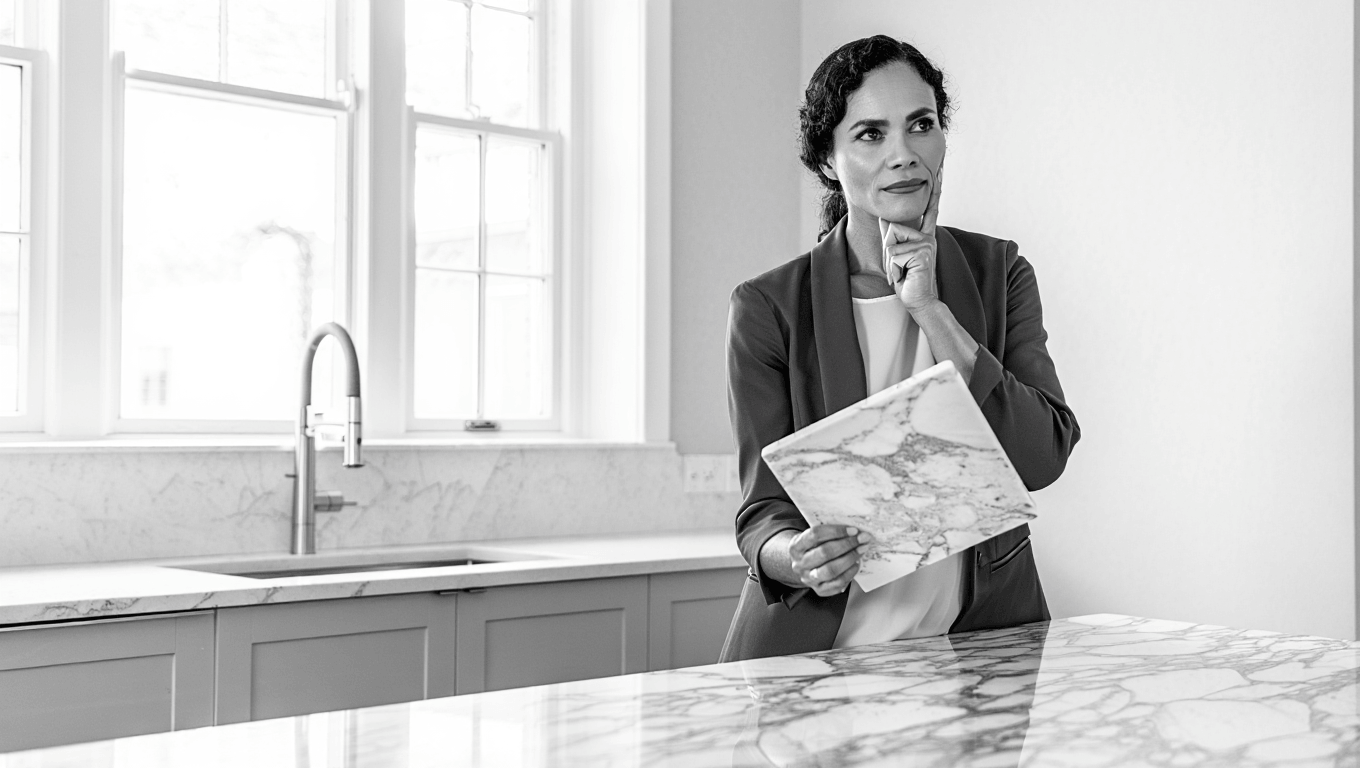
Marble remains a go-to for homeowners who want a kitchen that feels both classic and current. With design preferences shifting toward warmer, more personalized spaces in 2026, choosing the right marble now can mean decades of beauty—or years of maintenance you didn’t plan for.
How to separate the look from the reality
Marble’s appeal is largely visual: soft veining, light-reflecting surfaces and a palette that ranges from creamy neutrals to dramatic white-and-gray contrasts. But not all marble behaves the same in everyday use.
Know the main varieties before you commit. Carrara is cost-effective and subtle; Calacatta and Statuario deliver bolder veins and higher price tags. These differences affect both the visual impact and resale expectations.
Practical considerations that influence longevity
Marble scratches more easily than engineered stone and reacts to acids like lemon juice, wine and many household cleaners. That means surface finish and protective measures matter as much as the slab itself.
Decide early whether you want a polished surface (high gloss, strikes as more formal) or a honed finish (matte, hides etching better). The finish will shape maintenance routines and how the countertop ages.
What to weigh in your decision
- Daily use: Do you cook frequently at the island, or is it primarily serving and staging? High-traffic prep zones favor more resilient materials or protective layers.
- Maintenance tolerance: If regular resealing and careful cleaning sound onerous, consider alternatives or limit marble to lower-use surfaces like a peninsula or bathroom vanity.
- Design cohesion: Marble pairs well with warm woods and brass finishes; match scale and veining to cabinets and backsplashes to avoid a disjointed look.
- Environmental and ethical factors: Quarry sourcing, transport emissions and waste are real considerations for buyers seeking lower-impact options.
Budgeting and long-term value
Upfront cost varies widely—from modest Carrara slabs to premium Calacatta that can double or triple the price. Installation adds a significant share: thicker slabs, complex cutouts and patterned matching raise labor and waste costs.
Think beyond purchase price. Properly installed and well-maintained marble can add character and resale cachet. Conversely, visible staining or damage may erode perceived value, especially in markets where buyers expect turnkey kitchens.
Selecting the slab and the installer
Always inspect slabs in person under natural light. Photographs and small samples conceal the scale and movement of veins that define a slab’s final look.
Ask fabricators about their seam strategy, anchoring methods for heavy islands, and whether they offer in-shop polishing for on-site repairs. Experienced installers can minimize visible seams and match veining across runs—details that distinguish a professional job from an average one.
Care and practical rules to live by
- Seal regularly: Professional-grade sealers reduce staining risk; typically reapply every 6–18 months depending on use.
- Use cutting boards and trivets: Prevent scratches and thermal shock from hot pans.
- Blot spills immediately: Acidic liquids can etch; quick action limits permanent damage.
- Choose cleaners made for natural stone: Avoid bleach and citrus-based products that attack the surface.
Alternatives and hybrid approaches
If you love marble’s look but not the upkeep, there are viable compromises: high-quality quartz and porcelain slabs now mimic marble veins convincingly, resist staining and require less maintenance. Another popular strategy in 2026 is mixing materials—reserve genuine marble for a waterfall island or backsplash, and use engineered surfaces for busy perimeter counters.
Quick checklist before you buy
- View full slabs in natural light and mark the layout you want.
- Get written estimates that list seam locations and slab waste.
- Confirm warranty details and aftercare recommendations from the fabricator.
- Budget for sealing, repair kits and professional maintenance at installation.
Marble remains a statement material, but choosing it with full awareness matters more than ever. Consider how much wear the surface will take, how involved you want maintenance to be, and whether a single dramatic slab or a mixed-material approach better serves your lifestyle—and your budget.
Similar Posts
- Bathroom countertops: designers name 6 materials that instantly upgrade your home
- Marble anchors Rhode Island remodel: bold stone sets new interior trend
- Bathroom tile ideas transforming homes now: easy upgrades for any budget
- Kitchen paint colors designers swear by: 56 shades to suit every style
- Modern Rustic Luxury in Montana: Discover the Wild Beauty that Awaits!

A champion of quality and authenticity, Emily delves into Australian-made products and their impact on global markets. With a focus on sustainability, she helps readers understand why these goods are leading the trade world.

