
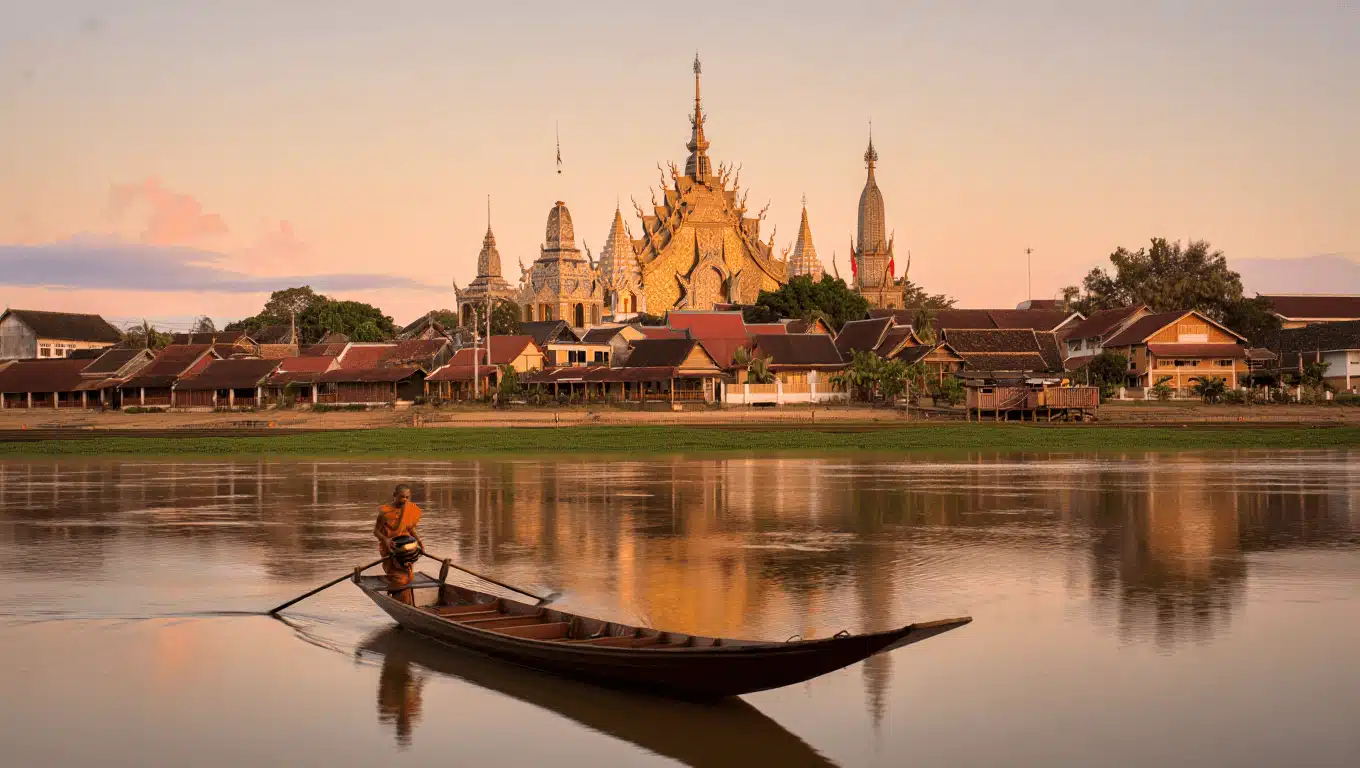
Luang Prabang’s mellow streets and gilded temples feel increasingly fragile as tourism grows. With faster connections bringing more visitors, choosing activities that support local communities, conserve wildlife and respect traditions is now part of responsible travel—not just a nicer trip.
1. Taste Laos, beyond the postcard dishes
Laotian food has quietly won international attention in recent years. Markets and neighborhood kitchens are the best classrooms: a guided walk through Phosi Market or a hands-on cooking session reveals unfamiliar herbs, fermented condiments and the way sticky rice anchors almost every meal.
Try local bowls such as the regional noodle soups, and learn to eat the Lao way—sharing plates and using sticky rice by hand. Don’t skip simple street desserts and the thriving café scene; locally grown coffee and fresh baguettes are everyday legacies of the country’s layered history.
2. Cool down at Kuang Si
A short drive from town, the fall pools at Kuang Si are famous for their blue-green cascades—and for good reason. Arrive early or late afternoon to enjoy calmer waters and avoid the bus crowds. On-site programs pair visits with conservation efforts, including a nearby bear sanctuary.
Combine the waterfall with a stop at small local enterprises on the return route—creative dairy projects and family-run cafés offer insight into rural livelihoods and sustainable tourism options.
3. Learn where rice begins: Living Land Farm
Participating in the rice-growing cycle transforms casual interest into practical appreciation. At Living Land Farm, visitors help with traditional paddy tasks that illustrate why sticky rice matters culturally and economically.
It’s a hands-on, messy morning that makes every grain taste like more than food—a reminder of the labor behind staple crops.
4. Behind the scenes at the wildlife sanctuary
Luang Prabang’s wildlife rescue centers offer more than animal encounters: they show the challenges of conservation. Volunteer-focused tours let visitors assist keepers and learn about rehabilitation work for rescued bears, small carnivores and other species affected by habitat loss and illegal trade.
5. A day on the Mekong
The river still frames daily life for many communities. Day trips to riverside villages and to the shrine-filled Pak Ou caves connect travelers to traditional crafts—pottery, paper-making and local distilling—and to the rhythms of river commerce.
Tip: Choose an afternoon departure to enjoy a sunset glide back to town and fewer crowds at the caves.
- Best times: Early morning or late afternoon for major sites.
- Clothing: Dress modestly at temples—covered shoulders and knees.
- Money: Carry small bills for markets and local donations.
- Photography: Ask before photographing people, especially at religious ceremonies.
- Sustainability: Prefer small operators and social enterprises where possible.
6. Meaningful encounters with Buddhism, without disrupting rituals
The predawn alms procession is an iconic sight, but its sacred intent is often compromised by crowds and cameras. Rather than inserting yourself into the ritual, seek narrated experiences led by former monks or novices to gain context and deeper understanding.
Community projects and language cafes also offer respectful, reciprocal conversation with locals who can explain temple life and spiritual schooling.
7. Support living crafts
Textiles, weaving and paper-making are living traditions tied to specific ethnic groups across northern Laos. Small studios and ethical cooperatives teach techniques from back-strap looms to natural dyeing while paying artisans for their skills.
Workshops at social enterprises and museum-run demonstrations let you try the craft and keep revenue flowing back to the communities that sustain it.
8. Confronting the legacy of war
Luang Prabang’s calm masks a painful history: decades of conflict left vast areas contaminated with unexploded ordnance. Visitor centers on UXO clearance explain the scale of the problem, the ongoing risk to rural communities and the long-term work of demining and survivor support.
Spending a half hour at these museums helps visitors understand why aid and education remain priorities for many local groups.
9. Temple trails, beyond the highlights
There are dozens of wats within the riverside peninsula; the grand shrines are worth the visit, but lesser-known neighborhood temples often offer quieter, more private encounters. Allow time to wander down alleys where monks chant and artisans maintain small altars.
Respectful observation—no flash photography, modest dress—keeps these places spiritual for residents and more meaningful for guests.
10. Ethical elephant experiences
Elephants are central to Lao identity, yet the modern picture is fraught with welfare and conservation challenges. Some camps prioritize rescue and rehabilitation, offering walks alongside elephants rather than rides and focusing on natural behaviors.
Research providers carefully: look for transparency about funding, veterinary care and land protection. Choosing truly ethical programs channels tourism dollars toward the animals’ long-term care.
Luang Prabang still rewards slow, thoughtful exploration. As infrastructure and visitor numbers change the town, the choices travelers make—where they eat, who they hire, which experiences they support—will determine whether the place endures for the next generation.
Similar Posts
- Top 7 Sustainable Getaways in Central America: Eco-Friendly Travel Destinations Revealed!
- Discover Ethical Wildlife Conservation: Essential Tips for Your Next Adventure
- Uncover Thailand’s Ethical Elephant Encounters: Choose Wisely and Responsibly!
- Rhino Heroes: Inside the Dangerous Fight Against Poachers in Africa
- 12 Eco-Friendly Getaways: Perfect Mix of Adventure and Sustainability!

A globe-trotter and international trade enthusiast, Oliver explores the connection between business travel and trade opportunities.

