
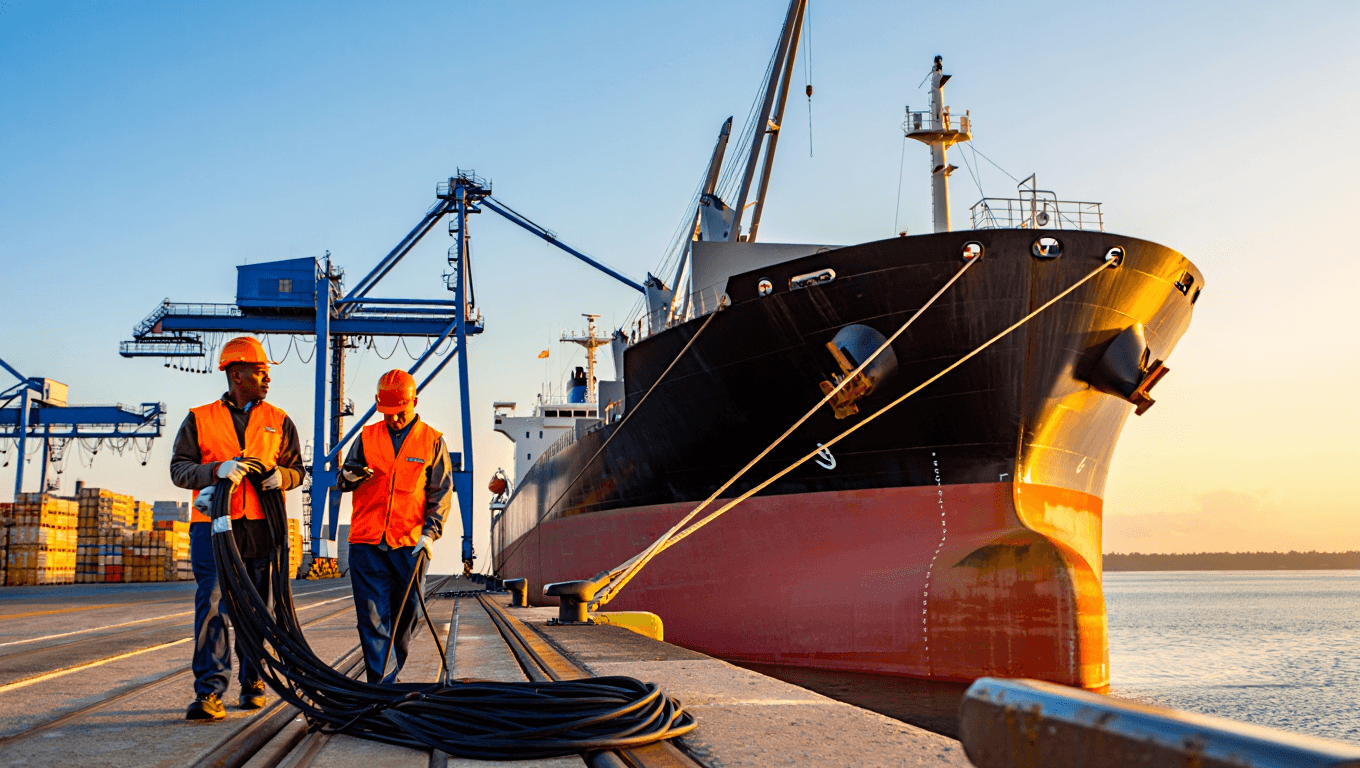
Ports around the world are treating reliable power as a core part of their trade strategy, not just an operational detail. As extreme weather, grid strain and tighter decarbonization rules squeeze supply chains, ports are increasingly investing in on-site generation, storage and new fuel options to keep cargo moving and costs under control.
Why energy matters at the docks now
Long seen primarily as hubs for loading and unloading, modern ports now host data centers, refrigerated warehouses, electric cranes and charging corridors for heavy trucks. Those demands change how ports relate to the wider electrical system: outages or constrained supply can cause immediate economic loss and ripple through national supply chains.
The problem is acute: storms and heatwaves are increasing outages, aging grids struggle with new peaks from electrification, and the global push to cut shipping emissions is creating fresh onsite power needs—from shore connections for vessels to high-voltage charging for electric container-handling equipment.
How ports are building resilience
Officials and operators are adopting a range of technical and commercial measures to reduce reliance on the public grid and boost flexibility.
- On-site generation — solar arrays and dedicated gas or biomass plants to provide steady baseload or seasonal capacity.
- Battery storage — short-term buffering to ride through outages and to shave peak demand charges.
- Microgrids — locally controlled networks that can island from the grid during emergencies.
- Shore power — electrical hookups that allow ships to turn off diesel engines while berthed, cutting emissions and reducing fuel dependence.
- Hydrogen and other alternative fuels — pilot projects to supply cleaner fuels for vessels, trucks and heavy equipment.
- Demand-side management and smart charging — coordinating loads across terminals, warehouses and truck charging to avoid simultaneous peaks.
Examples and early results
In major European and Asian ports, authorities have begun to reframe terminals as energy hubs: investments now blend utility-scale renewables, storage and infrastructure to support emerging fuels. In the United States, larger ports are rolling out shore-power programs and electrifying cranes and yard equipment, reducing local pollution and exposure to volatile marine fuels.
Those shifts are not purely technical. Many projects rely on new commercial arrangements: long-term power purchase agreements, partnerships with grid operators, and public funding to bridge upfront costs. The result is a hybrid model where ports behave partly like logistics operators and partly like energy companies.
What this means for businesses and communities
For shippers and logistics firms, port-level energy planning affects reliability, transit times and operating costs. A terminal that can run through a heatwave or that offers reliable shore power presents fewer delays and smoother customs and handling operations.
Local communities stand to gain cleaner air if vessels and equipment reduce diesel use, but they also face new debates about land use and the visual and noise impacts of onsite generation. Ratepayers and taxpayers will inevitably be asked to help fund large grid upgrades or subsidies for green fuels.
Watch-list: near-term signals to follow
Over the next 12–24 months, several indicators will show how seriously ports are reshaping energy roles:
- Funding flows — national or regional grants for port electrification and hydrogen pilot projects.
- Standardization — agreements on shore-power connectors and charging protocols to enable interoperability.
- Grid coordination — formal contracts between ports and utilities for demand flexibility and emergency response.
- Cybersecurity plans — protection for port microgrids and energy management systems as critical infrastructure.
Energy security is no longer a back-office engineering problem at the docks: it is a strategic lever that affects trade competitiveness, local health and the pace of shipping decarbonization. As ports continue to evolve, expect them to act more like energy firms—negotiating power deals, managing storage assets and shaping the future supply chains that depend on steady, clean electricity.
Similar Posts
- Microgrid Revolution: Transforming Global Energy Dynamics Today
- Rising electric bills explained: Discover three key factors driving up your costs
- Breaking News: Massive Fire at California Lithium Battery Plant: Details Inside
- Gulf energy braces for multi-year recovery after Iran conflict
- Diesel futures soar as storm halts refinery operations across the US

A seasoned international trade analyst, Darren deciphers export news, highlighting opportunities and challenges in an ever-changing industry.

