
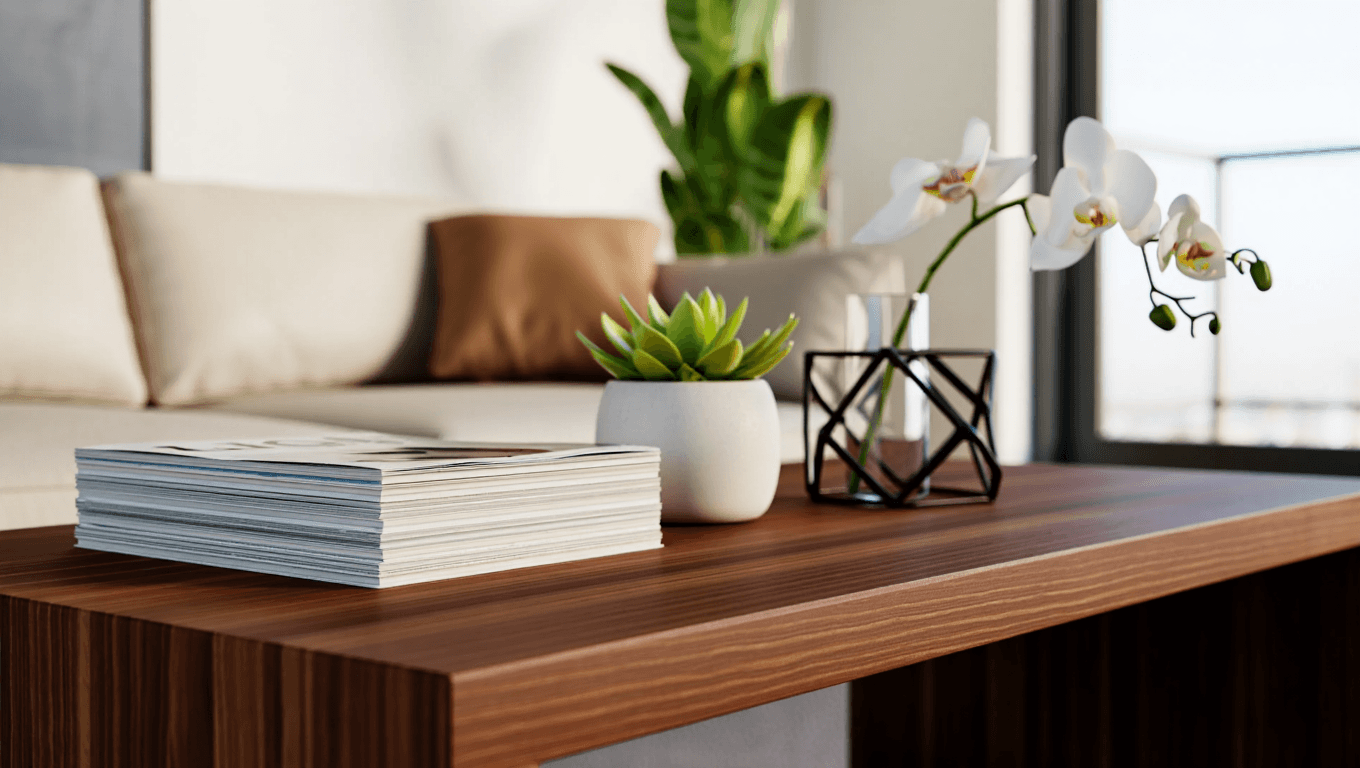
This year’s coffee table looks are less about one flashy piece and more about how a single surface can change the feel and function of a living room. As 2026’s interiors shift toward practical elegance, designers say the right coffee table can simplify daily life while making a subtle style statement.
What matters now is balance: homeowners want pieces that feel curated but work for real living. From small apartments to open-plan family rooms, the right coffee table ties together seating, storage and display without dominating the space.
Why the coffee table still matters
Once purely decorative, the coffee table has reclaimed a central role in modern layouts. It’s where you set down a mug, stage a stack of books, hide remotes and ground the room visually. That combination of form and function makes the coffee table a high-impact, low-cost way to update a room’s look.
Practical concerns—durability, child- and pet-friendly surfaces, and flexibility for hybrid work—are shaping choices. That matters for buyers and renters alike: a well-chosen table can improve everyday comfort and boost perceived value when selling or staging a home.
Design rules that professionals follow
Interior stylists and furniture makers repeatedly return to a few core principles when recommending a coffee table. They’re simple, but applied together they produce a cohesive result.
- Scale and proportion: the table should align with the sofa height and the overall footprint of the seating area.
- Contrast and texture: mix materials to add depth—wood, metal and soft textiles each play a role.
- Functionality: choose a shape and storage solution that matches how you live (open shelves, drawers, trays).
- Negative space: leave breathing room around the table so traffic flows and the room feels balanced.
These are not rigid rules but starting points. A small, round table can be just as effective as a rectangular one if proportion and placement are right.
Materials and finishes: quick guide
Material choice often decides a table’s longevity and how it reads in a room. Below is a concise comparison to help shoppers weigh trade-offs at a glance.
| Material | Look | Pros | Cons | Typical price range |
|---|---|---|---|---|
| Solid wood | Warm, classic | Durable, ages well | Can dent or stain; heavier | $200–$1,500 |
| Veneer or engineered wood | Polished, affordable | Budget-friendly, lighter | Less repairable than solid wood | $100–$700 |
| Glass | Airy, modern | Visually light; easy to clean | Shows fingerprints; fragile | $150–$1,200 |
| Metal | Industrial, sleek | Sturdy; good for minimal looks | Can feel cold; scratches visible | $120–$900 |
| Stone (marble, quartz) | Luxurious, timeless | Durable, high-end finish | Heavy; prone to staining if untreated | $400–$2,500+ |
How to style a coffee table that looks effortless
Styling without clutter is a skill. Designers recommend layering simple elements so the table reads as intentional rather than stuffed.
- Start with one anchoring object—a tray, a low stack of books or a sculptural bowl.
- Add a living element: a plant, a vase with fresh stems, or a small succulent to introduce texture and life.
- Keep surfaces functional: leave room for cups and devices; avoid blocking walking paths with décor.
- Rotate seasonally: swap a throw or small object to refresh the look with minimal expense.
Small changes—moving a tray, changing a book cover, introducing a new textile—can dramatically alter perception without replacing the furniture.
Choices for tight spaces and flexible living
For compact homes, shape and storage trump trendiness. Round and oval tables ease movement in narrow rooms; nesting tables or pieces with shelves add surface area when you need it and tuck away when you don’t.
Multiuse options are also rising in popularity: ottoman-style coffee tables that double as extra seating, or tables with removable tops that convert into trays. These reflect a broader demand for furniture that adapts to both work-from-home routines and social life.
Final considerations before you buy
Measure twice. Consider traffic flow and seating distance: the ideal gap between the sofa and table is usually about 14–18 inches to allow legroom and easy reach. Think long-term: a neutral base with interchangeable accents lets the piece evolve with your taste.
In 2026, the most convincing coffee tables are those that feel curated for how people actually live—durable materials, thoughtful scale and flexible function. Choose a piece that answers everyday needs while supporting the room’s broader aesthetic; the payoff is a living space that looks assembled rather than accidental.
Similar Posts
- North Carolina beach house reimagines coastal calm: inside a restful seaside retreat
- Discover Parisian Glamour: A Modern Tribute to Haussmannian Elegance
- Montecito cottage reimagined for family of five: attic treehouse bunkroom steals the show
- Historic 1920s kitchen refreshed without demolition: budget-friendly tweaks deliver big impact
- Designers use small lamps to instantly elevate home style

A champion of quality and authenticity, Emily delves into Australian-made products and their impact on global markets. With a focus on sustainability, she helps readers understand why these goods are leading the trade world.

