
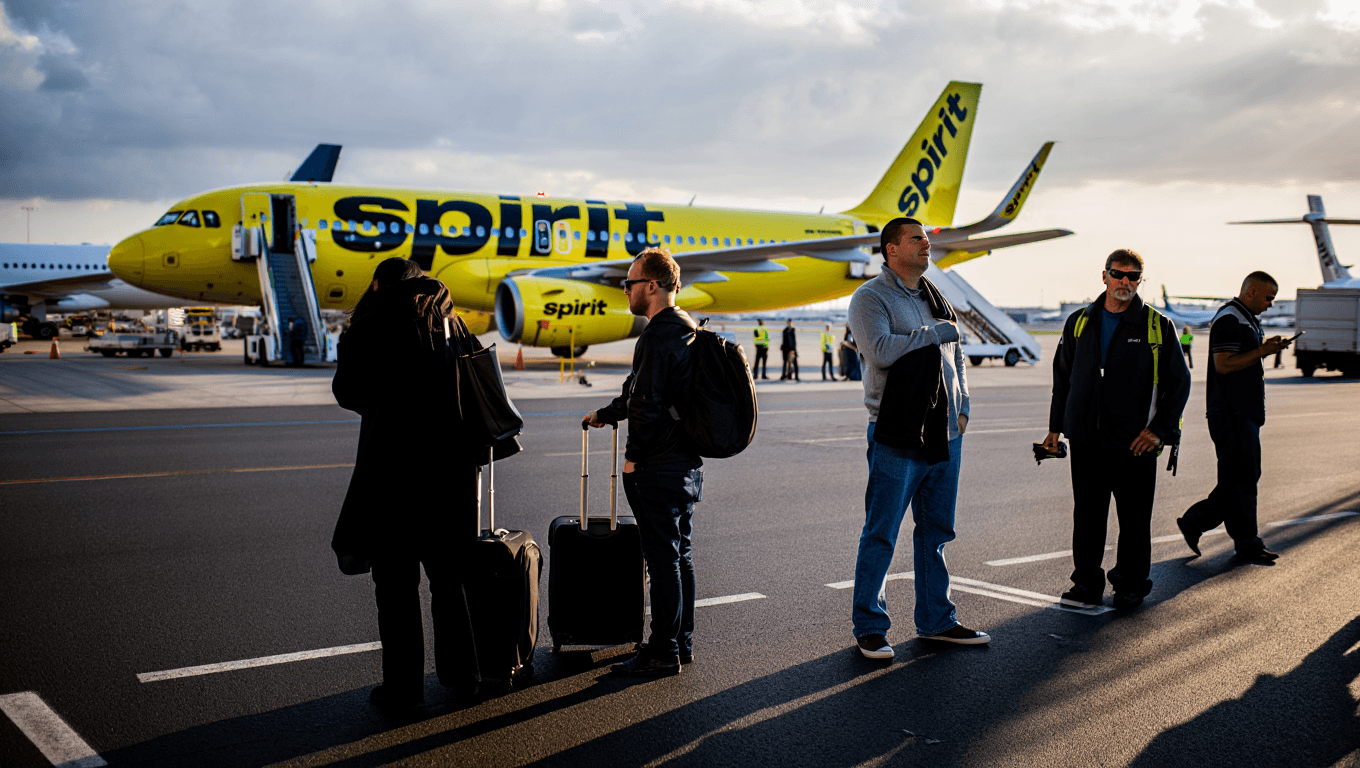
A recent flurry of cancellations and customer complaints at Spirit Airlines has pushed a familiar question back into the spotlight: how resilient is the ultra-low-cost carrier model when disruption strikes? The turmoil matters now because travelers, investors and regulators are all assessing whether the pursuit of the lowest fares is sustainable when reliability and labor costs climb.
What went wrong — and why it matters
Spirit’s troubles began with a mix of operational shortfalls and mounting external pressures. Groundings, crew scheduling gaps and lagging customer service systems compounded into visible disruption for passengers, stranding travelers and amplifying frustration on social media and in the courts. For budget carriers that rely on tight turnarounds and high aircraft utilization, even a small breakdown can cascade quickly.
At the heart of the problem is a business design that prioritizes low base fares and ancillary fees — for bags, seat selection and other basics — to keep headline prices competitive. That approach leaves little margin to absorb rising costs from fuel, labor or maintenance, and it also reduces the buffer needed to invest in redundancy and customer-facing systems.
Structural pressure points
Several persistent industry pressures are testing the ultra-low-cost model:
- Tight margins: ULCCs operate with smaller profit cushions, making them vulnerable to spikes in expenses.
- Labor dynamics: Pilot and crew shortages, plus growing unionization efforts, increase wage and scheduling costs.
- Operational intensity: High aircraft utilization amplifies the impact of even minor delays or maintenance issues.
- Customer expectations: Increased scrutiny of on-time performance and service quality is shifting consumer tolerance for disruption.
These stressors reflect broader trends across the industry but hit budget carriers in sharper relief because their financial model leaves less room for error.
Immediate implications for travelers and the market
For passengers, the fallout is direct: more cancellations, longer rebooking wait times and mounting ancillary charges to fix travel plans. Frequent disruptions can erode faith in the low-fare proposition, prompting price-sensitive travelers to weigh reliability over the cheapest ticket.
Investors are watching too. Publicly traded discount carriers often see larger intraday swings in response to operational news, as confidence in management’s ability to balance growth and reliability shapes short-term valuations.
Regulatory and competitive consequences
When cancellations and complaint rates spike, regulators may step in. Consumer protection investigations or fines can follow documented failures in refunds, rebookings or disclosures. Airports and business partners also adjust: slot allocations, ground-handling agreements and co-marketing deals can shift if a carrier’s performance undermines local travel ecosystems.
How the model could evolve
The crisis is prompting a reassessment rather than an outright rejection of the ULCC strategy. Possible adaptations include:
- Investing in customer-service technology to speed refunds and rebookings.
- Building larger operational buffers — extra crews or spare aircraft — to reduce cascade failures.
- Rebalancing fare structures to capture some value in slightly higher base fares while protecting demand.
- Exploring strategic partnerships or consolidation with larger carriers to shore up network resilience.
These shifts carry trade-offs. Adding redundancy or raising base prices can dilute the low-cost advantage that attracts customers in the first place. Still, industry observers say incremental changes — better communication, smarter scheduling and modest fare adjustments — could preserve the core appeal of low fares while improving reliability.
What travelers should know now
- Check rebooking and refund policies before purchasing; fees and timelines vary.
- Monitor your airline’s notifications closely during travel windows; opt into text alerts.
- Consider travel insurance that covers cancellations and delays if schedules are tight.
- If service fails, document communications and file formal complaints with the carrier and relevant consumer agencies.
For policymakers and airport officials, the episode raises choices about how aggressively to protect consumers without penalizing competition that has expanded access to air travel. For competitors, the disruption creates openings to win over dissatisfied flyers — but only if they can deliver on reliability without eroding their own margins.
Ultimately, the Spirit episode underlines a central tension in modern commercial aviation: customers have grown used to lower fares, but reliable schedules and humane customer service require investment. How budget carriers reconcile those demands will shape the industry’s next chapter — and determine whether the ultra-low-cost model can adapt or faces more fundamental restructuring.
Similar Posts
- Aviation safety bill could tighten airline rules: House to vote this week
- Norfolk Southern Q1 net income plunges 27%: investors brace for volatility
- New House Bill targets ‘chameleon carriers’ to enhance vehicle registration security: what you need to know
- Freight market shifts: Knight-Swift CEO predicts changes in enforcement and balance
- Boost Your Business Resilience: 5 Essential ChatGPT Prompts for Tough Times!

An expert in international finance, Jessica provides actionable advice to secure export transactions and minimize financial risks.

