
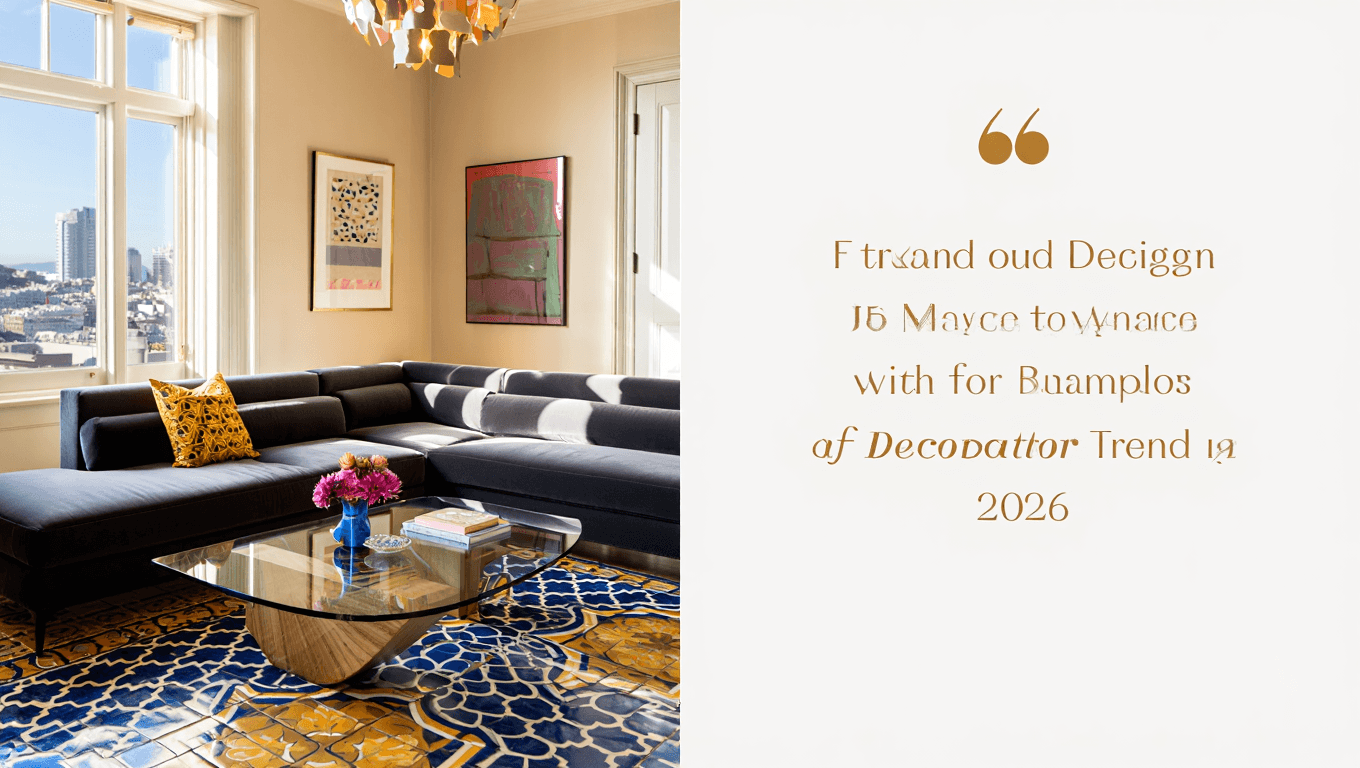
This spring’s San Francisco Decorator Showcase arrives as a compact study in how interior design is responding to climate, technology and lifestyle shifts. Visiting the city’s curated rooms now offers a clear preview of what Bay Area homes will look and feel like over the next few years.
The event, staged in a recently renovated San Francisco residence, opened this month and gathers established studios and rising talents to reimagine classical spaces for contemporary living. Organizers say the focus is less on ornamentation and more on durable materials, flexible layouts and climate-aware choices—trends that carry direct implications for homeowners, renters and renovation professionals alike.
What’s different about the 2026 showcase
Compared with past editions, this year’s presentations emphasize adaptability. Designers have leaned into multipurpose rooms, durable textiles, and finishes that withstand the city’s microclimates. You will also see more integrations of smart home elements that aim to be discreet rather than showy—lighting and climate systems that respond to occupancy, for example, layered into traditional detailing.
Another notable shift: many installations foreground local craftsmanship and circular practices. Salvaged timber, reclaimed tiles and custom pieces made by Bay Area artisans are prominent, reflecting both supply-chain realities and consumer demand for provenance.
Standout rooms and inventive approaches
One gallery-style living room reframes formal seating into a modular plan, letting a homeowner quickly convert the area from lounge to workspace. The kitchen displays a practical mix of hardwearing counters and integrated tech—appliances that prioritize energy efficiency, hidden charging hubs, and storage solutions designed around grocery delivery patterns.
Bathrooms at the showcase tend toward spa-like simplicity, with muted palettes and water-saving fixtures that do not sacrifice comfort. Bedrooms favor acoustic treatments and layered lighting to improve sleep—an indication that wellness principles remain influential in contemporary interiors.
- Sustainability: emphasis on recyclable materials, low-VOC finishes and furniture designed for longevity.
- Biophilic elements: indoor plantings, natural light maximization, and views framed as deliberate design gestures.
- Flexibility: movable partitions and furniture that adapts to remote work, multigenerational living, and social needs.
- Tech integration: systems that operate quietly in the background—environmental sensors, adaptive lighting, and app-linked climate controls.
- Local craft: a resurgence of made-in-the-region pieces, often employing reclaimed materials.
Practical takeaways for homeowners
For readers considering a refresh or a renovation, the showcase offers tangible, implementable ideas rather than only high-end theatrics. Prioritize materials rated for longevity, consider flexible layouts that anticipate changing needs, and think of technology as an invisible convenience rather than a focal point.
Smaller interventions—like swapping to low-flow fixtures, investing in blackout and acoustic window treatments, or choosing modular furniture—deliver meaningful lifestyle benefits without a full overhaul. The event also makes a case for hiring local makers when possible: bespoke work can extend the life of a piece and reduce environmental cost compared with mass-produced alternatives.
Market signals and industry context
Design choices on display also reflect broader market realities: higher costs for new imports, greater scarcity of some materials, and rising demand for climate-resilient solutions. These pressures are reshaping budgets and timelines for both commercial and residential projects.
For design professionals, the showcase functions as a testing ground. New finishes and construction techniques can gain quick local traction when they offer lower maintenance and better performance in the region’s specific conditions.
Visitor information and fair use
The showcase runs through late spring with guided tours and self-directed visits; capacity controls are in place for peak days. Tickets and updated schedules are available directly from the event’s site. Photography is generally permitted in public rooms but check individual designer restrictions, as some custom pieces may still be under exclusive agreements.
Whether you’re planning a complete remodel or simply seeking inspiration, the 2026 San Francisco Decorator Showcase makes clear that design in the city is becoming more pragmatic and purposeful—blending beauty with resilience and local craft.
Similar Posts
- Explore a Romantic Industrial Loft: Design Secrets and Stunning Interiors Revealed!
- Design expert warns: ditch fast trends and buy timeless pieces to save money
- Explore San Francisco’s Lavish “Party House”: A Peek Into Opulence and Excess
- Iconic dining chair resurges as shoppers rush to update their homes
- Reviving the 1950s: Modern Twist Transforms Classic Apartment!

A champion of quality and authenticity, Emily delves into Australian-made products and their impact on global markets. With a focus on sustainability, she helps readers understand why these goods are leading the trade world.

