
From steaming geysers to mile‑deep rims and ice-carved summits, U.S. national parks contain a surprising number of continental records — and many of those superlatives have real consequences for visitors and conservation. With wildfire seasons, melting glaciers and shifting visitor patterns reshaping the parks, now is a practical moment to know which places hold the nation’s extremes and what seeing them means today.
- Most geysers: Yellowstone National Park (WY/ID/MT)
- Tallest waterfall in North America: Yosemite Falls, Yosemite National Park (CA)
- Deepest lake in the U.S.: Crater Lake, Crater Lake National Park (OR)
- Largest collection of glaciers in the Lower 48: Glacier National Park (MT)
- Highest mountain in North America: Denali, Denali National Park (AK)
- Lowest land elevation in North America: Badwater Basin, Death Valley National Park (CA)
- Longest continuous volcanic eruption (recent): Hawaiʻi Volcanoes National Park (HI)
- Longest known cave system: Mammoth Cave National Park (KY)
- Largest subtropical wilderness in North America: Everglades National Park (FL)
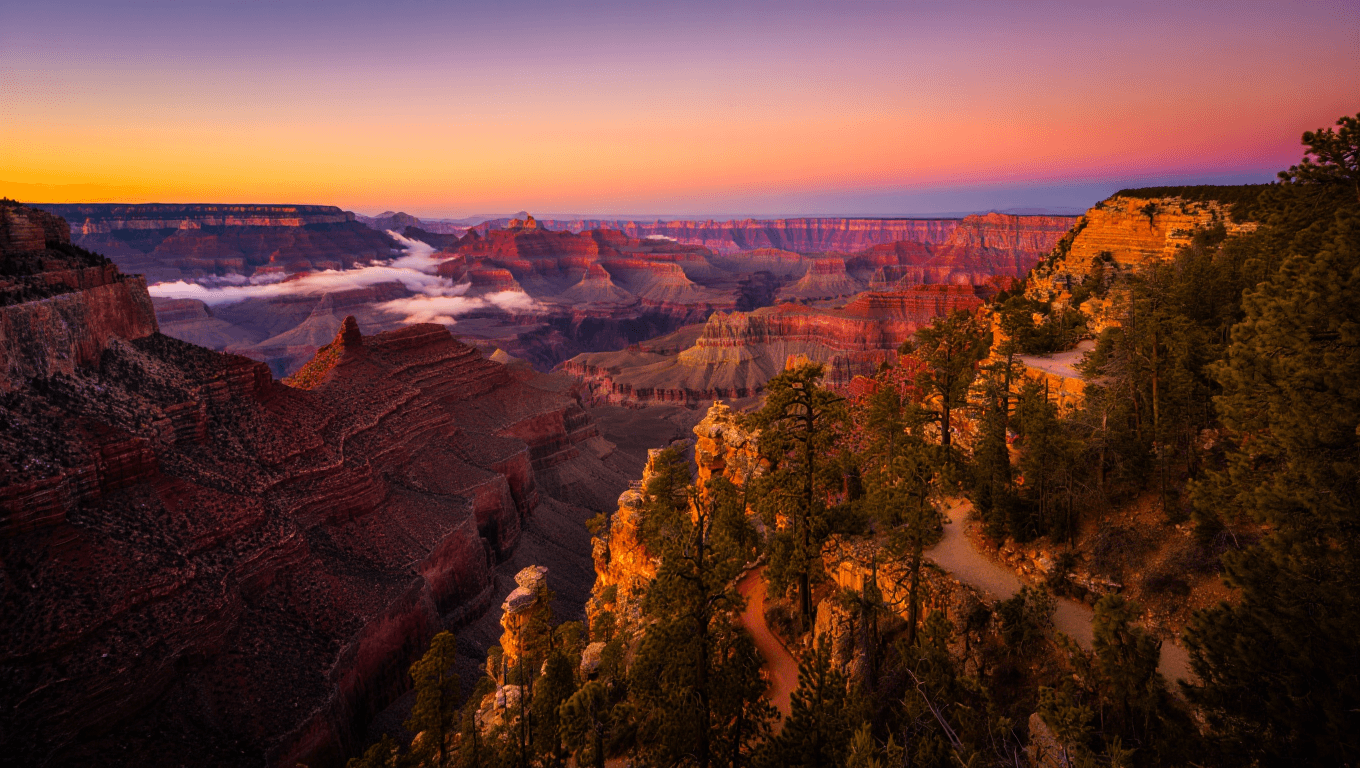
- Longest canyon carved by the Colorado River: Grand Canyon National Park (AZ)
Geysers and geothermal spectacle: Yellowstone
Yellowstone contains more geothermal features than any other protected area in the world. Hot water and steam surge through a volcanic plumbing system, creating hot springs, bubbling mud pots and tall, predictable geysers such as Old Faithful.
Old Faithful’s frequent eruptions make it one of the park’s most reliable draws; dozens of other geysers and springs produce dramatically different displays. These features are fragile: boardwalks, seasonal closures and park guidance exist to protect both visitors and the fragile crust that holds the geothermal plumbing in place.
Waterfalls and spring peaks: Yosemite Falls
Yosemite Falls drops in three distinct tiers and ranks among the continent’s tallest waterfalls. Meltwater from high country snowpack causes the flow to surge in late spring — that seasonal timing shapes the best windows for dramatic viewing.
Visitors should plan for crowds during peak runoff and be prepared for slippery, wet trails when approaching viewpoints. Park preserves and trail restrictions are in place to protect the canyon and its vegetation from erosion.
Depth and clarity: Crater Lake
Crater Lake sits in the caldera of a collapsed volcano and is renowned for its deep, clear water. At nearly 2,000 feet deep, its clarity and striking blue color make roadside overlooks and the Cleetwood Cove trail popular for photographers and boat tours to Wizard Island.
Water quality and lake level reflect long‑term climate patterns; recent years of lower snowpack have altered access and boating schedules in some seasons.
Glaciers on the front line: Glacier National Park and beyond
Glacier National Park in Montana preserves some of the last easily accessible alpine ice in the Lower 48, but scientists report continuing shrinkage. Many of the park’s named glaciers have lost mass; several smaller ice bodies may disappear within decades if current warming continues.
For travelers, that creates urgency: landscapes shaped by ice are changing fast, and trails, river flows and scenic vistas can be different from one summer to the next.
Alaska’s summit and the high points of the Lower 48
Denali towers above the Alaskan range at roughly 20,000 feet and dominates the park that shares its name. Its elevation and polar weather make expeditions logistically complex and often costly, with safety planning essential.
For those who prefer accessible high country, Mount Whitney in the Sierra Nevada is the tallest peak in the contiguous United States and anchors a different kind of alpine experience: popular trails, permits and altitude that can be felt even on day hikes.
Extremes of heat and depth: Death Valley
Badwater Basin in Death Valley lies below sea level, forming one of the largest salt flats on the continent. The basin sits hundreds of feet under sea level and has recorded some of the hottest temperatures on Earth.
Extreme heat makes timing essential: spring and fall visits are safer and more comfortable than midsummer, when temperatures can be hazardous.
Volcanic activity and lava landscapes: Hawaiʻi
Hawaiʻi Volcanoes National Park preserves active volcanic landscapes and lava tubes. While the long Kīlauea eruption that captured worldwide attention ended in 2018, ongoing monitoring and occasional activity mean conditions can change rapidly. The National Park Service posts up‑to‑date advisories for visitors.
Underground giants and subtropical wilderness
Mammoth Cave is the planet’s longest mapped cave system, with nearly 400 miles of passages explored to date; guided tours show different cave environments and stress the fragile subterranean ecosystem.
At the other end of the spectrum, Everglades National Park protects the continent’s largest subtropical wilderness, where freshwater flows, mangrove estuaries and sawgrass marshes support a dense mix of species. Sea‑level rise and water‑management changes affect the park’s hydrology, with implications for habitat and wildlife.
Why these records matter now
These extreme places are not just checklist items for travelers. They are active landscapes responding quickly to climate change, visitor pressure and local management decisions. That affects what you can see, when you can see it, and how to do so responsibly.
Before visiting, check official park pages for current conditions and closures. Respect seasonal restrictions, stay on designated trails, and follow safety guidance — small actions on the trail help protect these national‑scale natural records for the next generation.
Similar Posts
- Discover Hidden Gems: Top 10 Least-Visited US National Parks in 2022!
- Explore America’s Best: The Ultimate Guide to All 63 U.S. National Parks
- Explore Now: 8 Hidden Gems of North America You Must Visit!
- Top 7 Sustainable Getaways in Central America: Eco-Friendly Travel Destinations Revealed!
- North America’s Top Winter Getaways: Discover the Magic and Splendor

A globe-trotter and international trade enthusiast, Oliver explores the connection between business travel and trade opportunities.

