
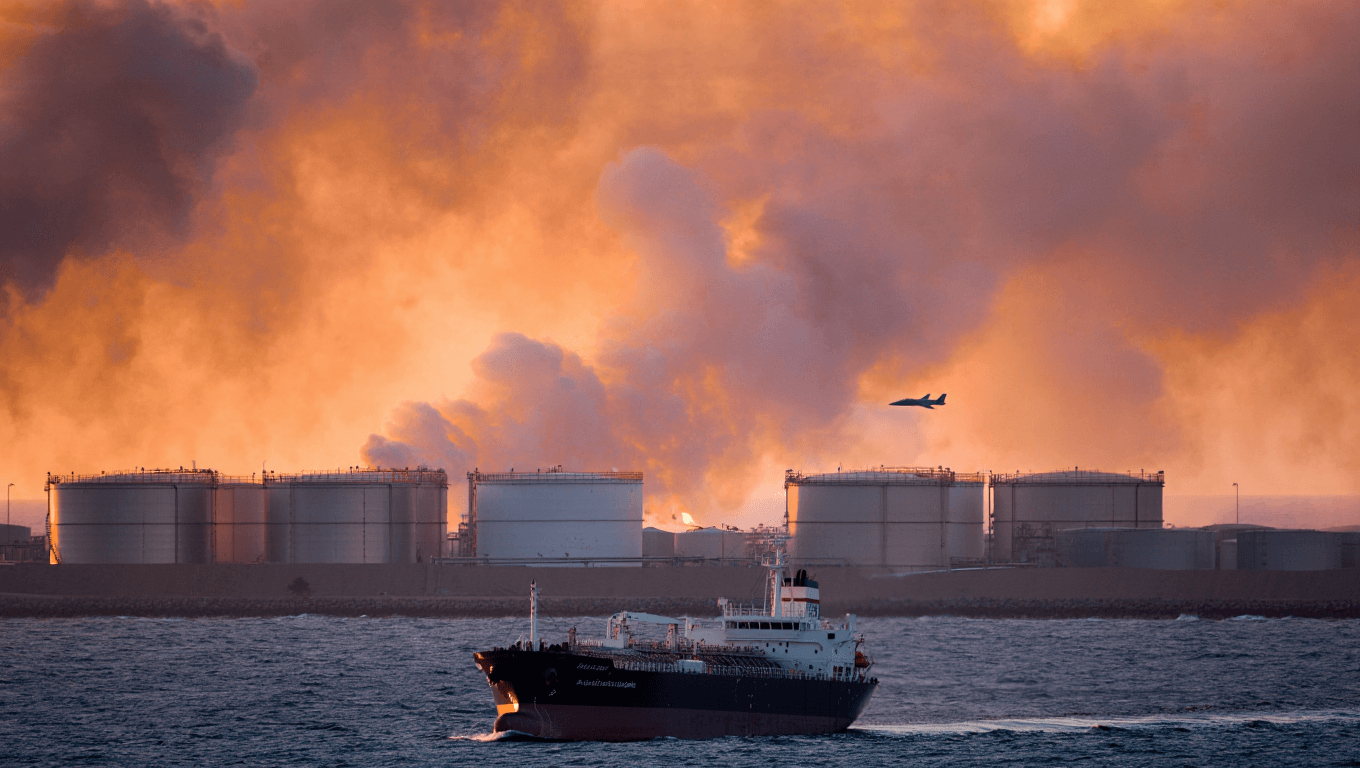
The International Monetary Fund now warns that recent military tensions in the Middle East could push global prices higher, complicating recovery from pandemic-era shocks. The IMF says the conflict’s spillover — through energy markets, supply chains and investor sentiment — raises the risk that inflation will stay elevated longer than policymakers had expected.
How the conflict feeds into prices
The IMF’s concern is not abstract: disruptions in the region tend to ripple quickly through commodity markets and logistics networks. Even short-lived interruptions can raise costs for consumers and firms in places far from the conflict zone.
Three main mechanisms are driving the warning: tighter energy markets, higher risk premia in financial markets, and renewed pressure on food and shipping costs. Central banks already face a delicate balance between fighting inflation and avoiding a growth slowdown.
- Energy shock — A rise in crude oil and natural gas prices raises production and transport costs across many economies, directly affecting fuel bills and indirectly raising prices for goods and services.
- Supply-chain strain — Port delays, insurance cost increases and rerouted shipping add to lead times and operating costs for exporters and importers.
- Financial volatility — Heightened geopolitical risk pushes investors toward safe assets, tightening financing conditions for emerging markets and some corporate borrowers.
- Food price risk — If agricultural exports or fertilizer supplies are disrupted, staple prices can spike, hitting lower-income households hardest.
Who is most exposed
Not all countries feel the shock equally. Oil-importing nations see a direct deterioration in their trade balance and may experience larger headline inflation jumps. Emerging markets with limited foreign-exchange buffers and high external borrowing are especially vulnerable to contagion from rising global rates and capital outflows.
Households on fixed or low incomes face the clearest immediate hit: food, fuel and transport account for a larger share of their spending, so even modest price increases erode real purchasing power quickly.
Policy choices and possible outcomes
Faced with higher inflation expectations, many central banks may lean toward tightening policy to anchor prices. But that risks slowing activity, particularly where economic growth is already fragile.
Fiscal authorities will be pressured to protect vulnerable households without further overheating demand. For some governments, that trade-off may mean targeted subsidies or temporary tax relief rather than broad-based spending increases.
| Group | Primary impact | Policy challenge |
|---|---|---|
| Oil importers | Worse trade balance; higher headline inflation | Tighten monetary policy or accept slower growth |
| Oil exporters | Revenue windfall but greater volatility | Manage exchange-rate pressures and spend wisely |
| Low-income households | Loss of real income through food and fuel prices | Targeted support to avoid long-term harm |
For readers, the practical takeaway is immediate: higher energy and food prices translate into more expensive commuting, groceries and utilities. Investors should watch central-bank signals closely; shifts in rate guidance often follow changes in core inflation trends rather than headline episodes alone.
The IMF’s updated outlook stresses that geopolitical shocks can convert temporary blips into persistent price pressure unless policymakers coordinate carefully. How authorities respond in the coming weeks will shape whether the episode leaves a short-lived mark or a longer inflationary legacy.
Similar Posts
- Oil prices climb on Iran tension fears after Trump’s threat of US strike
- War-driven inflation hits groceries and bills: gas is just the beginning
- Gasoline prices 50% higher than before Iran conflict: what it means for drivers
- Oil prices breach $100 again: eighth straight week of gains amid Iran conflict
- Oil prices set to surge as war deepens: IEA warns

A logistics expert, Ethan shares tips to optimize supply chains and reduce freight costs in global trade.

