
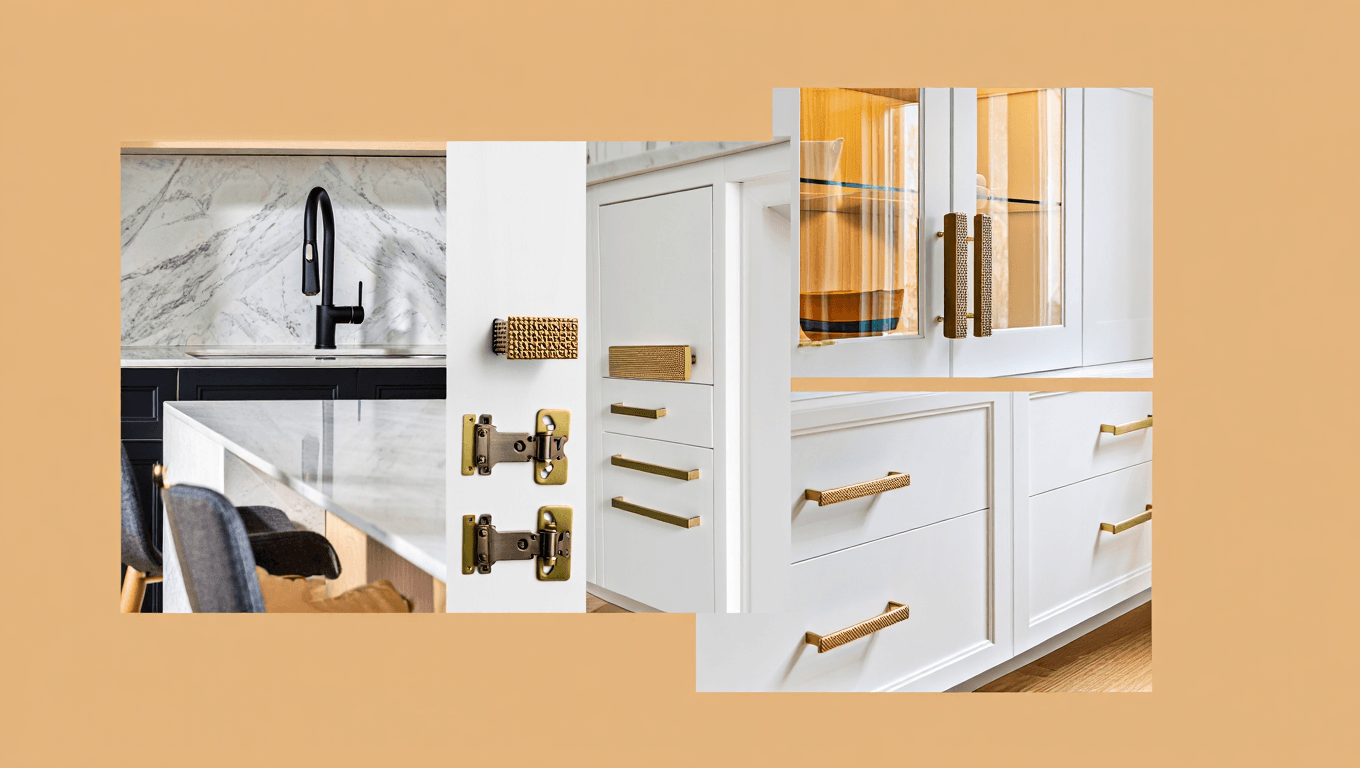
As homeowners reopen renovation plans in spring 2026, the small details of kitchen hardware are shaping how spaces feel and function. From faucets that respond without touch to textured pulls that invite contact, the latest shifts matter because they change durability, resale value and everyday use.
Why hardware is more than an aesthetic afterthought
Designers and manufacturers say the past two years of shifting priorities — sustainability, hybrid work, and a renewed interest in tactile interiors — have pushed hardware beyond mere decoration. Advances in coatings and manufacturing mean more durable finishes and custom options are now accessible at midrange price points, so choices made today will likely still look modern a decade from now.
At the same time, smart-home features that were once niche are moving into standard product lines. The result: hardware decisions now influence water use, ease of cleaning and how well a kitchen holds value on the market.
Top kitchen hardware trends in 2026
- Recessed and integrated pulls — Handles that sit flush with cabinet faces continue to grow in popularity for their clean silhouette and easier maintenance.
- Warm mixed metals — Brass and bronze pairings with muted silvers create layered looks; mixing finishes is accepted rather than avoided.
- Textured, tactile finishes — Hammered, brushed and satin textures hide fingerprints and invite touch, moving away from ultra-smooth mirror surfaces.
- Touchless and smart faucets — Motion activation, voice shortcuts and app-linked water usage tracking are now common in mainstream models.
- Eco-focused materials — Recycled brass, low-VOC coatings and finishes designed to last are influencing buying decisions as sustainability becomes a selling point.
- Oversized, statement hardware — Bold pulls and dramatic knobs function as focal points, especially on islands and pantry doors.
- Antimicrobial and easy-clean coatings — Ceramic and proprietary glaze layers reduce maintenance and address hygiene concerns without looking clinical.
Practical consequences for homeowners
Choosing hardware now has practical implications: a water-saving smart faucet can reduce utility bills and earn points for green-certified renovations, while certain finishes require regular re-waxing or have specific cleaning rules. Expect higher upfront cost for advanced finishes or smart features, but also a longer service life and lower replacement frequency.
For sellers and agents, hardware choices can subtly shift perceived value. Kitchens that look updated but not overly trendy—think warm metals paired with classic lines—typically resonate with a broader pool of buyers.
Quick buying checklist
- Match high-touch pieces (faucet, island pull) and allow smaller elements to vary for visual interest.
- Test ergonomics in person: how a pull fits your hand matters more than its picture on a screen.
- Prioritize durable finishes if you have young children or heavy use; read warranty terms for finish wear.
- Consider water-efficiency ratings and contactless options to lower long-term costs and improve hygiene.
- Source a sample finish or small accessory before committing to full runs across cabinets.
As kitchens continue to function as workspaces, social hubs and daily-use rooms, hardware will remain a small but influential lever in design and performance. The current trends reward choices that balance tactile warmth, lasting finishes and sensible tech integration — practical changes that will be noticeable every time someone reaches for a drawer or turns on the tap.
Similar Posts
- Designer kitchens: 109 standout ideas to spark your next renovation
- Kitchen renovation priorities: the upgrade designers start with that can raise resale value
- Gen Z decor tricks: achieve a high-end look without breaking the bank
- Kitchen paint colors designers swear by: 56 shades to suit every style
- Frank Lloyd Wright-inspired Los Angeles home evokes golden-age Hollywood

A champion of quality and authenticity, Emily delves into Australian-made products and their impact on global markets. With a focus on sustainability, she helps readers understand why these goods are leading the trade world.

