
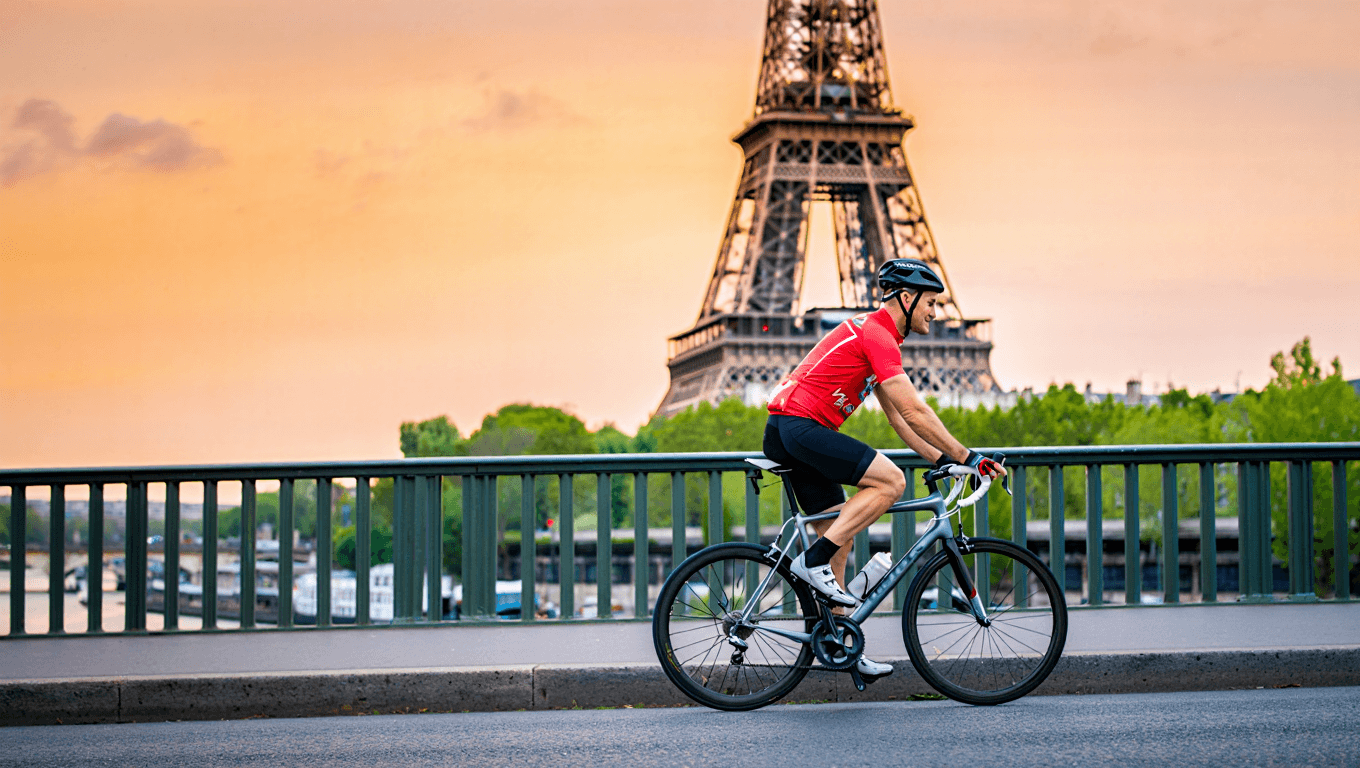
Paris has quietly reshaped itself into one of Europe’s most rideable capitals, with extensive bike lanes and a growing culture of two-wheeled travel that make cycling a practical way to see the city and leave it. Whether you have a few hours or several days, a handful of well-marked routes radiate from the island in front of Notre Dame, offering everything from a whistle-stop tour of Parisian landmarks to multi-day journeys into the Loire and Normandy.
City planners have steadily expanded bike lanes and docking points in recent years, and the result is a network that supports short urban jaunts and long-distance itineraries alike. Below is a quick comparison of five popular routes that start at Notre Dame, followed by route notes, local tips and practical rules to keep your trip smooth and safe.
| Route | Best for | From Notre Dame to | Approx. distance |
|---|---|---|---|
| Central Paris loop | Classic monuments and short visits | Return to Notre Dame | 13 km (8 miles) |
| La Scandibérique | Châteaux and Loire landscapes | Amboise | ≈400 km (250 miles) |
| La Seine à Vélo | Riverside scenery and Impressionist sites | Le Havre or Deauville | ≈500 km (311 miles) |
| Avenue Verte | Rural France and quiet villages | Beauvais | ≈180 km (112 miles) |
| La Véloscénie | UNESCO sites and Mont St‑Michel | Mont St‑Michel | ≈450 km (280 miles) |
Why cycling in Paris works now
Paris’s streets have been rebalanced for bikes: broad boulevards and riverbanks host generous cycle tracks, thousands of bike racks are scattered across the city, and affordable bike-share systems make spontaneous rides straightforward. The atmosphere on the road tends to be cooperative — Parisian drivers and pedestrians are used to mixed traffic — though cyclists should remain alert at junctions and when crossing busy squares.
1. Central Paris: a compact classics tour
Best for: a single-day overview of the capital’s landmarks.
Start at Notre Dame and follow the Seine both ways to take in the Louvre, Musée d’Orsay, the Tuileries, Place de la Concorde, the Grand Palais, the Arc de Triomphe and the Eiffel Tower. Many bike-share docks sit every few hundred metres, so you can park, walk in and resume without fuss. The full loop can be done in a couple of hours at a leisurely pace, or stretched into a day of museum stops and café breaks.
Practical note: Vélib’ and other hire schemes let you pick between traditional bikes and e-bikes for longer or hillier days; multi-hour and day passes are commonly available.
2. La Scandibérique: châteaux and towpaths
Best for: exploring the Loire Valley’s manor houses and riverside towns.
This southbound leg is part of the longer Scandinavian-to-Spain Euro-route. The path moves from urban towpaths to rural lanes, passing elegant châteaux such as Fontainebleau and, further on, royal residences around Amboise and Blois. Surfaces vary — smooth canal towpaths give way to rougher country tracks — so a hybrid or touring bike is a sensible choice.
Shorter option: the Fontainebleau area is only about 80 km (50 miles) from Notre Dame and makes a popular one- or two-day escape with forests, rock-climbing sites and small artists’ villages like Barbizon.
3. La Seine à Vélo: follow the river to the Normandy coast
Best for: combining riverside landscapes with art-historical stops.
The route traces the Seine from central Paris out to Normandy’s shoreline, moving through forests, river islands and rustic towns. It links many places associated with Impressionist painters — Giverny is one of the high points — as well as port towns such as Honfleur and larger urban stops like Rouen. Expect changing terrain and plenty of scenic detours.
Architectural side-trip: cross the Seine near Poissy to see Villa Savoye — a landmark of modernist design — if your itinerary allows a short diversion.
4. Avenue Verte: a taste of rural France
Best for: quiet lanes, abbeys and small-town charm.
The Avenue Verte corridor heads northwest toward Beauvais, offering a quieter, less touristy slice of French countryside. Highlights include Royaumont Abbey, Chantilly and the medieval town of Senlis. The route is largely green and pastoral once you leave the city suburbs, with cycling-friendly surfaces and signposted stretches.
5. La Véloscénie: Paris to Mont St‑Michel
Best for: a long-distance pilgrimage to a top UNESCO site.
Heading west from Paris, this route crosses parks and regional landscapes, passes Versailles and Chartres, and finally arrives at the dramatic tidal island of Mont St‑Michel. A largely well-signposted trail, it mixes peaceful promenades, woodlands and open farmland; the final approach across the bay is one of the most memorable finishes of any French cycleway.
Planning tip: weekend trains sometimes allow bikes between Paris and the Mont St‑Michel area — useful if you want to ride one direction only or shorten logistics.
On-the-ground tips and rules to know
- Cycling side: France drives on the right; ride with traffic and respect traffic lights and priority signs.
- Pedestrians: give way to walkers and never cycle on pavements where prohibited.
- Safety gear: children under 12 must wear a helmet; helmets are strongly advised for adults.
- Prohibitions: using a mobile phone or wearing headphones while cycling is illegal and can be fined.
- Bike fittings: if you bring your own bike, make sure lights, reflectors and brakes meet basic French requirements.
If you prefer guided options, Paris offers everything from electric Solex-style rentals and guided city rides to pedicab services and full-day cycling tours — useful if you want local knowledge, planned stops and easier logistics. For longer routes, plan overnight stays, check luggage transport options and confirm which train services accept bicycles if you need a lift home.
Paris’s cycling infrastructure has changed how people move around the city and beyond — whether you’re after a short, scenic loop or a multi-day expedition to a UNESCO landmark, these routes offer a direct, sustainable way to experience France on two wheels.
Similar Posts
- Explore France’s Top 8 Cycling Routes: From Alpine Challenges to Scenic Wine Trails
- Navigating Minneapolis in Winter: Discover the Surprisingly Easy Ways!
- Explore Edinburgh Like a Pro: Top Travel Tips and Tricks for the City!
- Explore Brisbane Easily: Top Tips for Cheap, Sustainable Travel!
- Conquer Your First Bike Tour in 2022: Top 10 Essential Tips Revealed!

A globe-trotter and international trade enthusiast, Oliver explores the connection between business travel and trade opportunities.

