
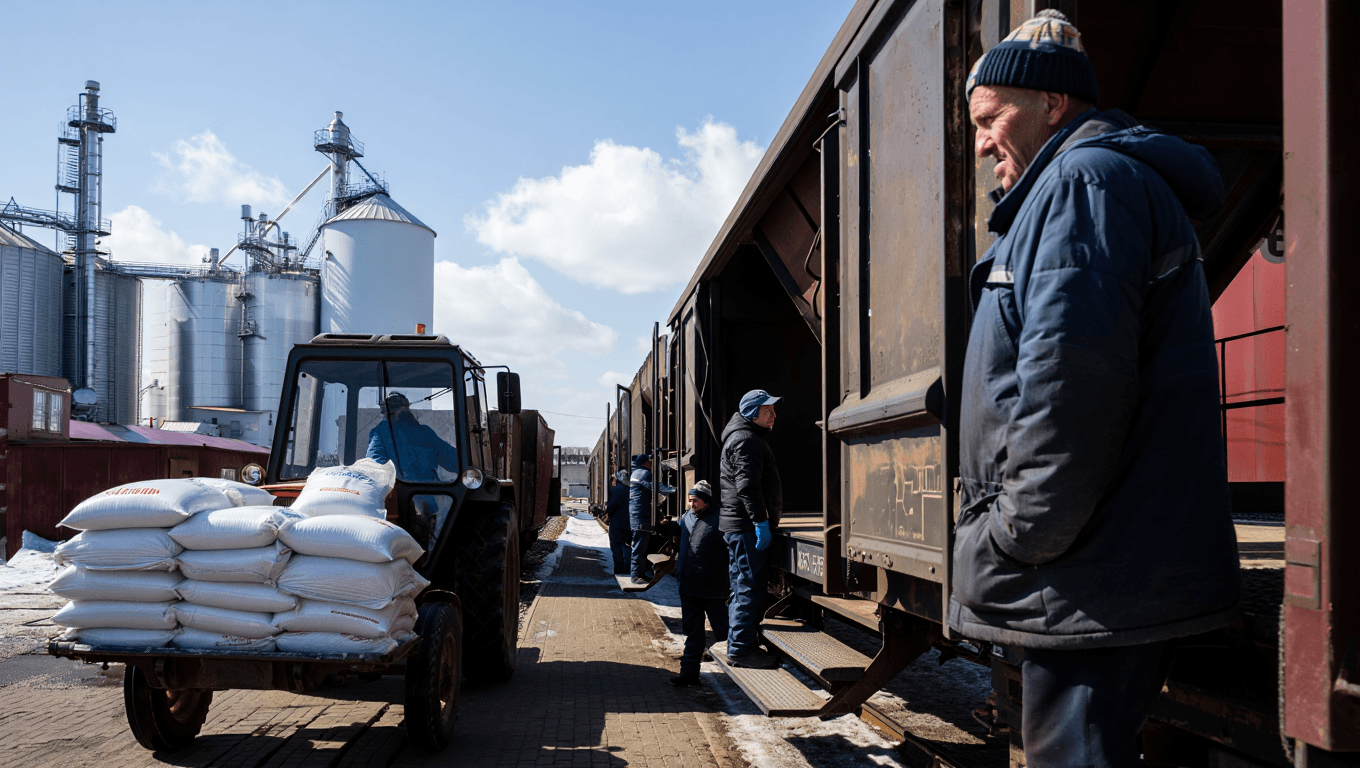
Russia has moved to limit exports of several nitrogen-based fertilizers, a step that could tighten global supplies just as many farmers prepare for spring planting. The announcement, framed as a measure to protect domestic availability, has already reverberated through trading desks and agricultural markets worldwide.
What Moscow announced — and why it matters now
Officials in Moscow said the move targets a subset of nitrogen fertilizer shipments and will require exporters to secure new authorization before shipping abroad. By prioritizing domestic supply, the government aims to blunt any local shortages, but the timing matters: Northern Hemisphere planting windows open in weeks, and fertilizer procurement decisions are usually made months in advance.
The policy signals a higher likelihood of near-term supply disruption for buyers reliant on Russian shipments. Because nitrogen fertilizers are a core input for cereal and oilseed production, even short-lived restrictions can push input costs up and increase price volatility in global markets.
Immediate market reaction and supply-chain effects
Commodity traders and fertilizer distributors reacted quickly, pricing-in tighter availability and adding a risk premium to offers. Shipments that were already en route may face paperwork delays while exporters seek the new clearances. Ports, freight forwarders and warehouse operators in export corridors are likely to see increased administrative steps and potential congestion.
Large agricultural importers that depend heavily on Russian volumes — including countries in Latin America, Africa and parts of Asia — will need to weigh alternatives. Those alternatives exist but will not always be timely or cost-competitive.
- Farmers: Higher fertilizer prices would raise production costs and could influence planting decisions for crops sensitive to nitrogen inputs.
- Traders and distributors: Increased compliance checks and licensing may slow deliveries and encourage speculative stockpiling.
- Global food markets: Reduced supply or higher input costs can translate into wider price swings for staple commodities.
- Policymakers: Importing nations may look to diversify suppliers, accelerate domestic production plans, or consider temporary subsidies to shield farmers.
Where supply might come from instead
Alternative suppliers include major fertilizer producers in other regions, but replacing volumes quickly is difficult. Manufacturing capacity is concentrated and feedstock availability — especially natural gas, which is critical for nitrogen production — limits how fast new output can be ramped up. Logistics constraints and contractual commitments also dampen short-term flexibility.
Some buyers may switch to blended products or adjust application rates to stretch available supplies, but such changes can affect yields and are not straightforward to implement at scale.
What to watch next
Key indicators for markets and agricultural planners will be the duration of Moscow’s restrictions and how strictly they are enforced. Watch for official clarifications on which product categories are affected, the licensing process, and any quota limits. Trade flows through major export hubs will reveal whether the measures are creating real bottlenecks or mainly signaling risk.
In the medium term, the episode is likely to accelerate conversations about supply-chain resilience: storage buffers, regional production investments, and diversified sourcing strategies. For now, the immediate consequence is a heightened risk of price volatility that farmers, traders and food buyers should monitor closely.
Similar Posts
- War-driven inflation hits groceries and bills: gas is just the beginning
- Oil prices slip as fresh diplomacy raises odds of Iran ceasefire
- Oil prices climb on Iran tension fears after Trump’s threat of US strike
- Oil prices slide as Washington and Tehran signal talks: markets price in supply relief
- Oil near $100: Iran threatens prolonged closure of the Strait of Hormuz

A logistics expert, Ethan shares tips to optimize supply chains and reduce freight costs in global trade.

