
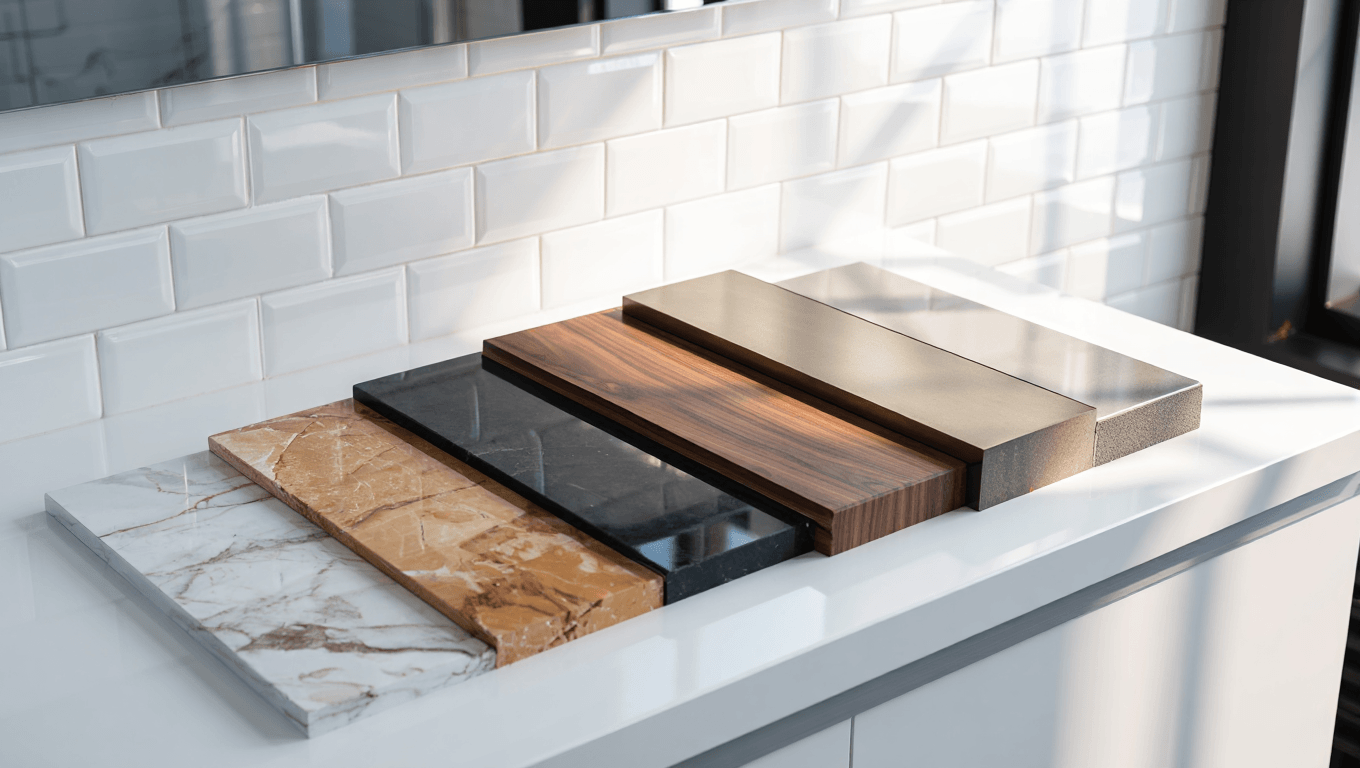
Choosing the right countertop can determine how a bathroom looks, performs and holds value for years. As homeowners increasingly favor long-lasting, low-maintenance finishes in 2026, the classic options below remain sensible choices for both remodels and resale.
These six materials combine durability, aesthetic flexibility and realistic upkeep needs — qualities that matter now as supply chains shift, budgets tighten and sustainability gains importance.
1. Marble — timeless elegance, selective use
Marble delivers unmatched veining and a sense of luxury that still sells in high-end listings. It ages gracefully but is softer and more porous than many alternatives, so people often reserve it for vanities rather than heavy-use countertops.
Sealants reduce staining and etching, but expect periodic maintenance. For those prioritizing look over ruggedness, marble remains a top pick.
2. Granite — durable and classic
Granite has been a go-to for decades because it resists heat and scratches while offering unique patterns from slab to slab. It’s a practical choice for main-bath counters and ensuite vanities where longevity matters.
Proper sealing is important, but routine care is straightforward: mild soap and water, plus occasional resealing. Granite balances performance with an authentic stone appearance.
3. Engineered quartz — low maintenance, consistent look
Quartz combines stone aggregate with resin for a nonporous surface that resists stains, bacteria and daily wear. Its uniform appearance and wide color range make it a favorite among designers and homeowners seeking reliability.
It’s not entirely heat-proof, so care around hot tools is still needed. For busy households or people planning to sell soon, quartz offers predictable performance with minimal fuss.
4. Soapstone — understated and resilient
Soapstone is softer than granite but highly resistant to heat and chemicals. Over time it develops a darker, satin patina that many find appealing — a look that feels both vintage and modern.
Minor scratches can be sanded out and the surface is easy to maintain with mineral oil, making it a practical, long-lived choice for a distinctive bathroom aesthetic.
5. Porcelain slabs — modern, stain- and scratch-resistant
Large-format porcelain slabs have grown in popularity for their thin profile, consistent patterning and impressive resistance to stains, UV and scratches. They can imitate stone or provide crisp, contemporary surfaces with minimal maintenance.
Porcelain’s light weight and durability suit wall-clad vanities and counters where a seamless look is desired — a modern solution that still reads as timeless when paired with neutral fixtures.
6. Solid surface (acrylic) — repairable and adaptable
Solid surface materials offer a smooth, nonporous finish that can be molded around sinks for clean lines. They resist mold and stains and can be sanded to remove minor damage, which extends useful life long after other finishes show wear.
While not as hard as stone, solid surface is valued for its versatility and the ease of on-site repairs — an advantage in rental properties and family bathrooms.
Quick takeaways:
- Durability and maintenance needs vary widely — choose based on how the bathroom is used.
- Neutral, natural finishes remain the safest bet for resale value in 2026.
- Consider sustainability and repairability when weighing long-term costs.
At-a-glance comparison
| Material | Durability | Maintenance | Typical aesthetic | Best use |
|---|---|---|---|---|
| Marble | Medium | Sealing, careful cleaning | Veined, luxurious | Vanities, low-traffic baths |
| Granite | High | Occasional sealing | Natural stone patterns | Main bathrooms, high-use counters |
| Engineered quartz | High | Low (nonporous) | Uniform colors/patterns | High-traffic baths, rentals |
| Soapstone | Medium | Mineral oil, light sanding | Matte, warm patina | Design-forward, mid-use spaces |
| Porcelain slabs | High | Very low | Stone-like or modern | Seamless vanities, contemporary baths |
| Solid surface | Medium | Low, repairable | Smooth, uniform | Family baths, bespoke shapes |
Putting it together
When choosing a countertop, start with function: how often the space is used, whether it needs to be child- or pet-proof, and your tolerance for maintenance. Then match that to the visual you want.
For many homeowners in 2026, that means prioritizing materials that age well and minimize upkeep while still delivering a classic look — a practical balance between design and durability.
Similar Posts
- Marble countertops: designers reveal choices that stay stylish for a decade
- Kitchen paint colors designers swear by: 56 shades to suit every style
- Designer kitchens: 109 standout ideas to spark your next renovation
- Bathroom tile ideas transforming homes now: easy upgrades for any budget
- Kitchen hardware trends 2026: designers name must-have finishes and styles

A champion of quality and authenticity, Emily delves into Australian-made products and their impact on global markets. With a focus on sustainability, she helps readers understand why these goods are leading the trade world.

