
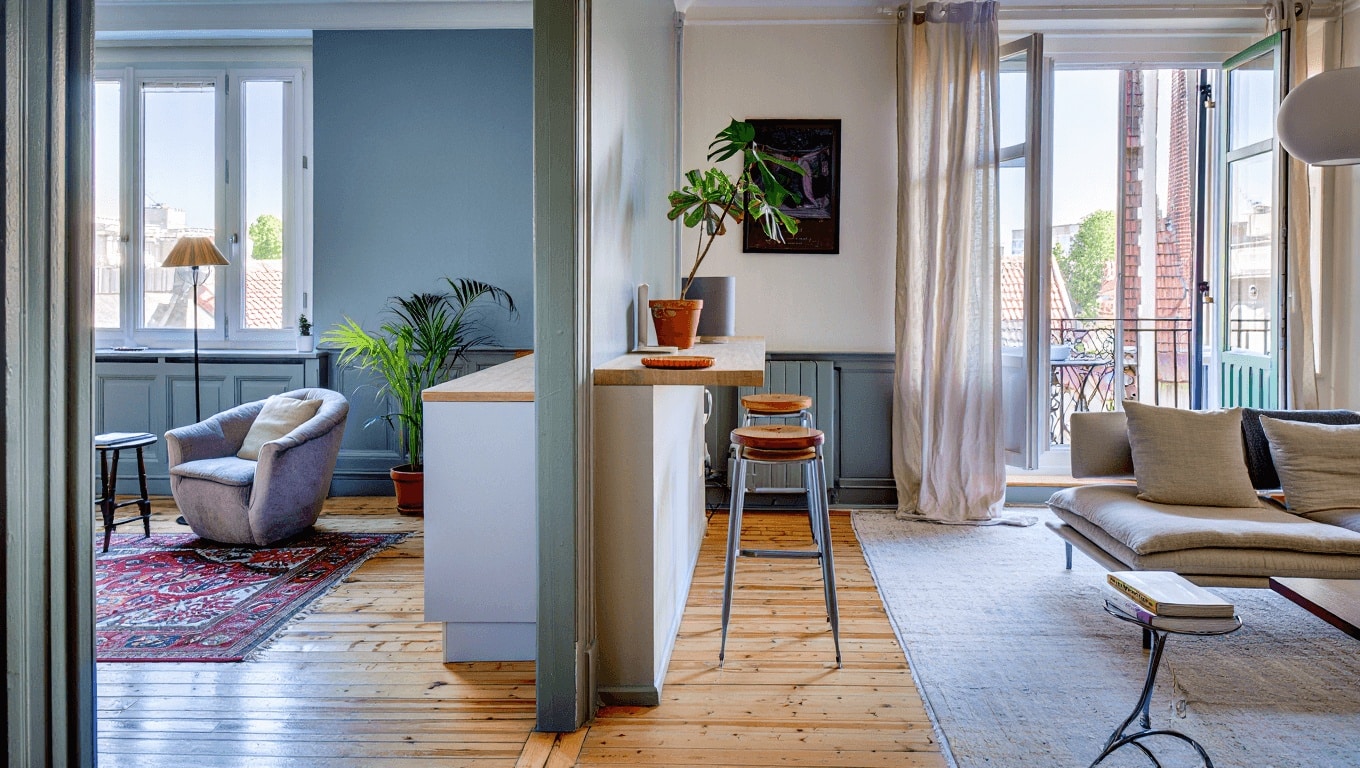
Small changes are reshaping how people live in open-plan homes: designers and homeowners are turning to micro-zoning — a set of low-impact strategies that carve distinct areas inside a single room. With downsizing, hybrid work and a premium on comfort, these tactics make open layouts feel more private, functional and cozy without erecting permanent walls.
Why it matters now
Open-concept apartments and houses remain popular, but today’s priorities have shifted. Remote and hybrid schedules mean living rooms must also serve as offices. Energy costs and a desire for quiet put pressure on shared spaces. Micro-zoning answers those needs quickly and affordably, affecting daily routines, resale appeal and even utility bills.
What micro-zoning actually does
At its core, micro-zoning uses furniture, textures and lighting to define functions—dining, lounging, working—while preserving airflow and sightlines. Instead of a structural renovation, it reorders the room’s visual cues so each activity has a clear place.
Applied well, these interventions also improve acoustics, increase perceived privacy and make circulation feel more intentional. The result: an open plan that behaves like a cluster of cozier, purpose-driven rooms.
Practical micro-zoning techniques
- Rugs and floor finishes — anchor areas with different colors or textures to delineate seating versus dining zones.
- Furniture arrangement — back-to-back sofas, bookcases, and console tables create soft barriers without blocking light.
- Layered lighting — use task, ambient and accent fixtures to signal different uses at different times of day.
- Vertical elements — open shelving, screens, and tall plants break up sightlines while keeping the room airy.
- Textile and color shifts — change wall paint or throw colors for visual separation that can be reversed easily.
- Portable partitions and sliding panels — flexible for renters and useful when temporary privacy is needed.
Quick budget guide
The approach you choose can be as simple or as involved as you need. Below is a rough sketch of effort and typical cost ranges to expect for common micro-zoning moves.
| Strategy | Typical cost | Impact |
|---|---|---|
| Area rugs and lamps | $50–$800 | High — fast visual separation, easy to change |
| Open shelving or console | $150–$1,500 | Medium — adds storage and subtle division |
| Sliding panels or screens | $100–$1,200 | Medium — flexible privacy, renter-friendly |
| Partial interior wall or built-ins | $1,500–$10,000+ | High — more permanent, increases separation and value |
Design rules that work
No single trick fits every home, but people often succeed when they follow a few simple principles:
- Prioritize clear circulation so pathways stay open and the space doesn’t feel cramped.
- Keep a consistent visual thread — matching wood tones or a repeating color — to maintain cohesion across zones.
- Think in layers: combine a rug, a furniture grouping and a lamp rather than relying on one device alone.
The trade-offs
Micro-zoning isn’t a cure-all. Temporary partitions can reduce natural light and some buyers prefer true open plans. Larger interventions may require permits or professional help. Still, many homeowners find the benefits — improved focus, comfort and multipurpose utility — outweigh those compromises.
For households juggling work, school and leisure under one roof, micro-zoning offers a pragmatic path: it preserves the airy feel of an open layout while introducing order and warmth where it matters most.
Similar Posts
- Living room organization overhauled for 2026: experts reveal 5 must-follow rules
- Cousin method wins over designers: how one trick creates effortless room balance
- Home upgrade that consistently boosts resale value and livability, experts say
- Iconic dining chair resurges as shoppers rush to update their homes
- Immersive wallpaper revolutionizes interiors: designers turn to full-room murals

A champion of quality and authenticity, Emily delves into Australian-made products and their impact on global markets. With a focus on sustainability, she helps readers understand why these goods are leading the trade world.

