
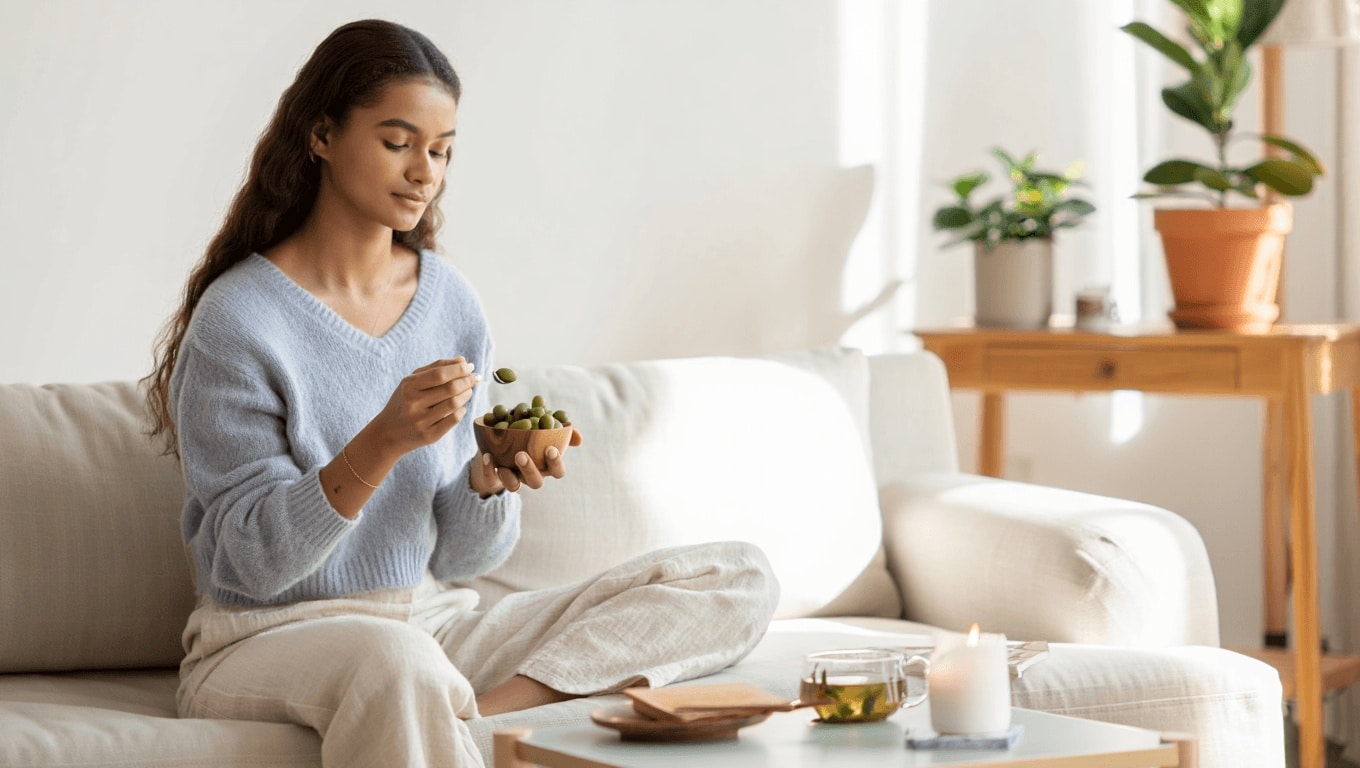
At SXSW 2026, trend analysts from Dynamic Expert presented a clear signal: consumers are choosing moderation and more intentional habits as a way to manage anxiety and uncertainty. That shift is already reshaping product demand and the way brands must communicate value—moving the emphasis from constant acquisition to wellbeing, clarity and longer-term resilience.
Moderation is not the same as cutting back
Speakers at the festival framed moderation as selective, purposeful consumption rather than plain restraint. In an era defined by overlapping economic, environmental and social shocks, people are actively pruning noise and complexity to protect emotional energy and mental space.
Rather than chasing nonstop productivity, consumers are prioritizing experiences and goods that help them feel restored. This changes what counts as value: fewer, clearer promises that support a calmer daily life now carry more weight than shiny, all-purpose solutions.
How health gets redefined
Dynamic Expert argues the idea of extending the period of life spent in good health—commonly called healthspan—is being reframed. The emphasis is shifting away from longevity at any cost and toward living well: rest, sensory richness and targeted interventions that help people feel whole.
That opens room for innovation across age groups. Expect more products built around personalization, preventive insights and nutrition tech, as well as services aimed at earlier-stage wellbeing instead of solely eldercare markets.
- Disconnect demand: 81% of US Gen Z want an easier way to unplug from devices (Harris Poll / Quad, 2025).
- Message fatigue: 70% of consumers say brands over-communicate and are tuning out (CSG).
- No- and low-alcohol growth: The no-alcohol category is projected to expand about 30% from 2025–2029 (IWSR).
- Offline calm: 52% of US Gen Z report feeling peaceful when they are offline.
- New value metric: Consumers are shifting from ROI to ROE—return on energy—favoring offerings that replenish rather than drain them (Dynamic Expert Future Consumer 2027 forecast).
What brands should consider now
Short answer: simplify and make emotional benefits explicit. Companies that cut through the clutter will be the ones that align product design and messaging with consumers’ desire for intentional choices.
Practical moves include: reducing intrusive messaging, packaging options that encourage moderation (for example portion control or no-alcohol formats), investing in personalization technologies that deliver preventive value, and reframing product claims around restoration and quality of life rather than purely performance metrics.
Crucially, this is not only a marketing shift. Business models may need to be stress-tested for resilience: fewer mass-cast campaigns and more targeted, trust-building relationships with customers who expect transparency and measurable wellbeing outcomes.
Why this matters for the wider market
The trend toward selective consumption has commercial implications beyond niche categories. It touches media strategy, product road maps, retail experiences and corporate risk management. Companies that treat moderation as a strategic lens—rather than a passing fad—can better navigate the layered crises many economies now face.
At SXSW, conversations around ideas like joyful audacity and soft wellness resonated because they offer a productive middle ground: consumer choices that feel generous and pleasurable, yet intentionally scaled to preserve energy and reduce overwhelm. For brands, aligning with that middle ground is becoming a competitive necessity, not just a cultural signal.
Similar Posts
- 2025 and Beyond: Uncover the Hottest Future Trends Now!
- SXSW 2025: Discover Beauty 2030! Top 4 Trends Shaping the Future of Longevity
- Top Highlights from Cosmoprof Bologna 2025: What You Need to Know Now!
- 2026 Retail Revolution: How Future Consumer Trends Will Transform Sales Cycles!
- US tariffs 2025 hit prices hard: how shoppers are adjusting

An expert in global markets, Sophia analyzes trends and innovations shaping the future of export. Her strategic insights help businesses stay ahead of the curve.

