
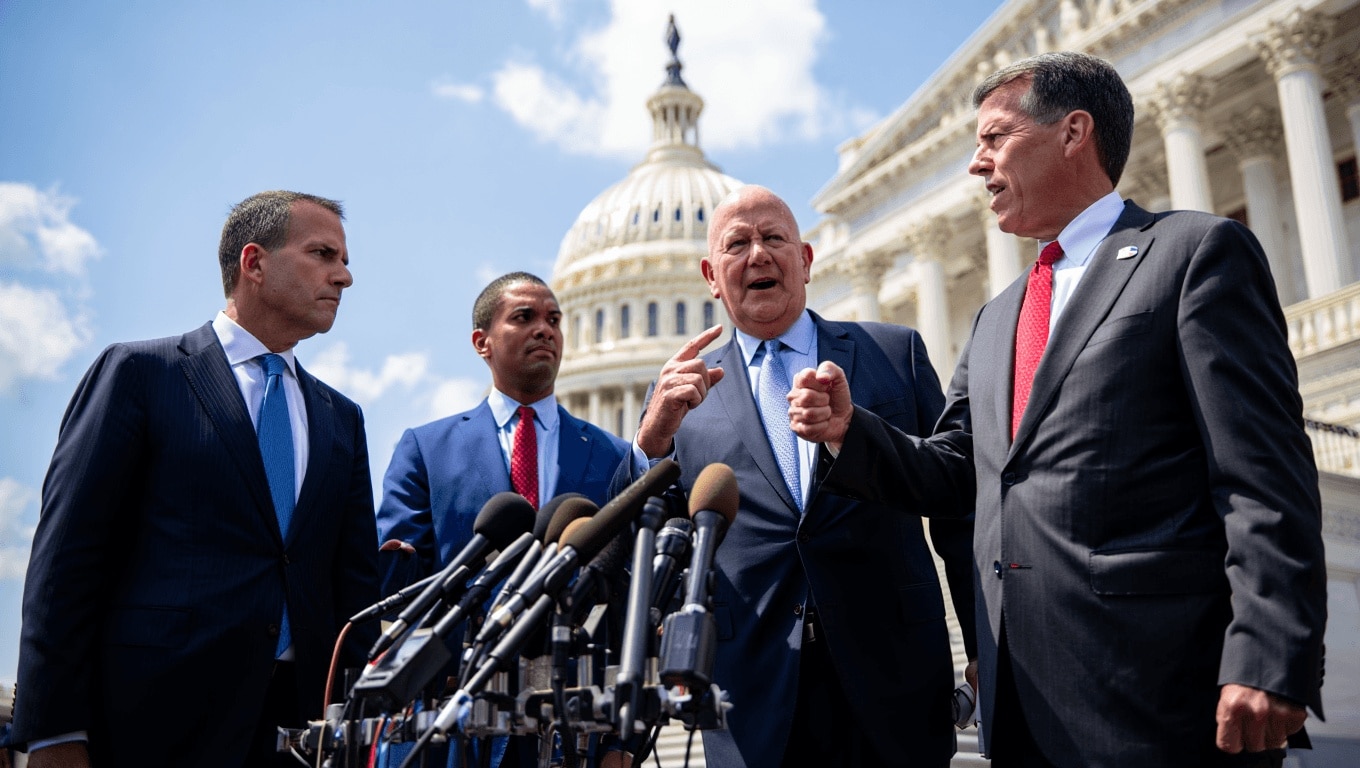
Senators on Capitol Hill have quietly renewed pressure to unlock new federal dollars for infrastructure, a move that could shift timelines for highways, broadband, and water projects stalled by funding uncertainty. The push matters now because communities facing aging systems and rising construction costs may see long-delayed work finally move forward — or face further delays depending on how lawmakers resolve offsets and budget limits.
Across party lines, lawmakers are signaling that infrastructure will be a priority as the calendar moves toward key budget deadlines. That activity is showing up in staff briefings, amendments being filed, and a series of informal conversations aimed at identifying politically viable pay‑fors and target areas where federal investment could produce quick results.
What’s different this cycle is a sharper focus on resilience and digital access alongside traditional surface transportation needs. Lawmakers are increasingly framing funding requests around projects that address flooding and extreme weather, improve supply‑chain reliability, or extend high‑speed internet to rural and underserved communities.
Those priorities change which projects are likely to receive attention — and funding — in the near term. Transit upgrades in coastal cities, emergency upgrades to aging levees, and broadband expansion in sparsely populated counties now sit higher on many lists than large new highway builds that have dominated past debates.
- Short-term wins: Smaller, shovel-ready projects that can show quick employment and economic effects are getting priority, increasing the chance of near-term appropriations or targeted grant rounds.
- Funding mechanisms: Senators are weighing a mix of options including targeted appropriations, adjustments to existing grant programs, and potential public‑private partnership incentives rather than a single, large omnibus bill.
- Trade-offs: Any expansion of spending will require offsets, reallocations, or an agreement on budget caps — meaning some programs could be trimmed while others grow.
For governors and municipal officials, the practical consequences are immediate. Project timelines and bids have been set on assumptions about federal participation; a sudden infusion of funds could accelerate procurement and reduce cost escalation, while continued ambiguity may force municipalities to delay or scale back plans.
Contractors and labor groups are watching closely as well. Renewed federal commitment could translate into increased hiring and more stable pipeline work, but the ultimate scale depends on whether senators coalesce around a package with clear eligibility rules and predictable funding streams.
Behind the scenes, legislative mechanics will be decisive. Senators are debating how to score potential legislation, whether to attach infrastructure measures to must‑pass budget bills, and how to secure votes without provoking a partisan fight that could derail momentum. Those procedural choices will determine both the timetable and the content of any final measure.
What to watch next:
- Amendments and markup calendars released by relevant Senate offices — an early sign of seriousness;
- Public statements from key senators about preferred pay‑fors or targeted sectors;
- Responses from state transportation agencies on project readiness, which will shape how quickly federal funds can be absorbed.
There are also broader economic implications. Well‑targeted federal spending can reduce bottlenecks in ports and freight corridors, lower maintenance backlogs in drinking‑water systems, and close gaps in broadband coverage that affect education and workforce development. Conversely, delays in congressional action risk increasing costs and extending service interruptions for communities that rely on federal help.
For readers tracking local impacts, it is worth noting two points: first, the type of infrastructure emphasized by senators will influence which projects receive priority; second, even when funding is approved, administrative timelines for grants and contracting typically add months before construction begins.
Ultimately, Senate interest has raised the probability of additional federal infrastructure dollars this year, but the outcome remains contingent on complex negotiations over offsets and legislative strategy. Expect a period of intensive bargaining, punctuated by targeted announcements as lawmakers test what elements can attract bipartisan support.
Similar Posts
- Transportation groups demand sweeping highway bill as funding deadline looms
- $200M truck parking project stalled as shutdown threat looms: what it means for the industry
- House gears up to advance WRDA and highway legislation as shutdown negotiations intensify
- Wisconsin Allocates $100 Million for Crucial Ag & Forestry Road Repairs: Infrastructure Boost!
- Aviation safety bill could tighten airline rules: House to vote this week

A logistics expert, Ethan shares tips to optimize supply chains and reduce freight costs in global trade.

