
Milan’s ready-to-wear shows this season delivered clear signals for buyers and designers: reworked classics and softer palettes are gaining traction, while textural details are crossing genre lines. That shift matters now for retailers setting autumn buying plans and brands deciding which silhouettes to prioritize for production.
Over the course of the week, analysts reviewed every runway presentation in Milan, cataloguing more than 3,000 individual looks across roughly 90 collections and identifying over 5,000 distinct garments and accessories. Those numbers translate into measurable shifts in silhouette, color and fabric emphasis that are likely to shape the next buying cycle.
What stood out on the runways
Designers returned to familiar garments but treated them with fresh intent. A handful of clear currents threaded through many houses, creating repeatable motifs for retail and editorial teams to lean on.
Reworked outerwear came through as a dominant silhouette update: traditional trenches and car coats were reshaped with exaggerated shoulder lines and architectural tailoring. The result is outerwear that reads polished but assertive, a ready-made pivot away from purely utilitarian coats.
At the same time, a renewed interest in collegiate-casual dressing surfaced. The shows included numerous variations on polos and rugby shirts—clean, knitted tops that nod to athletic heritage while fitting into layered, preppy looks.
Color and texture notes
Pastels continued to play a supporting role, with soft pinks particularly visible across suiting and daywear. Rather than sentimental flourishes, designers used these tones to add a youthful edge to tailored pieces.
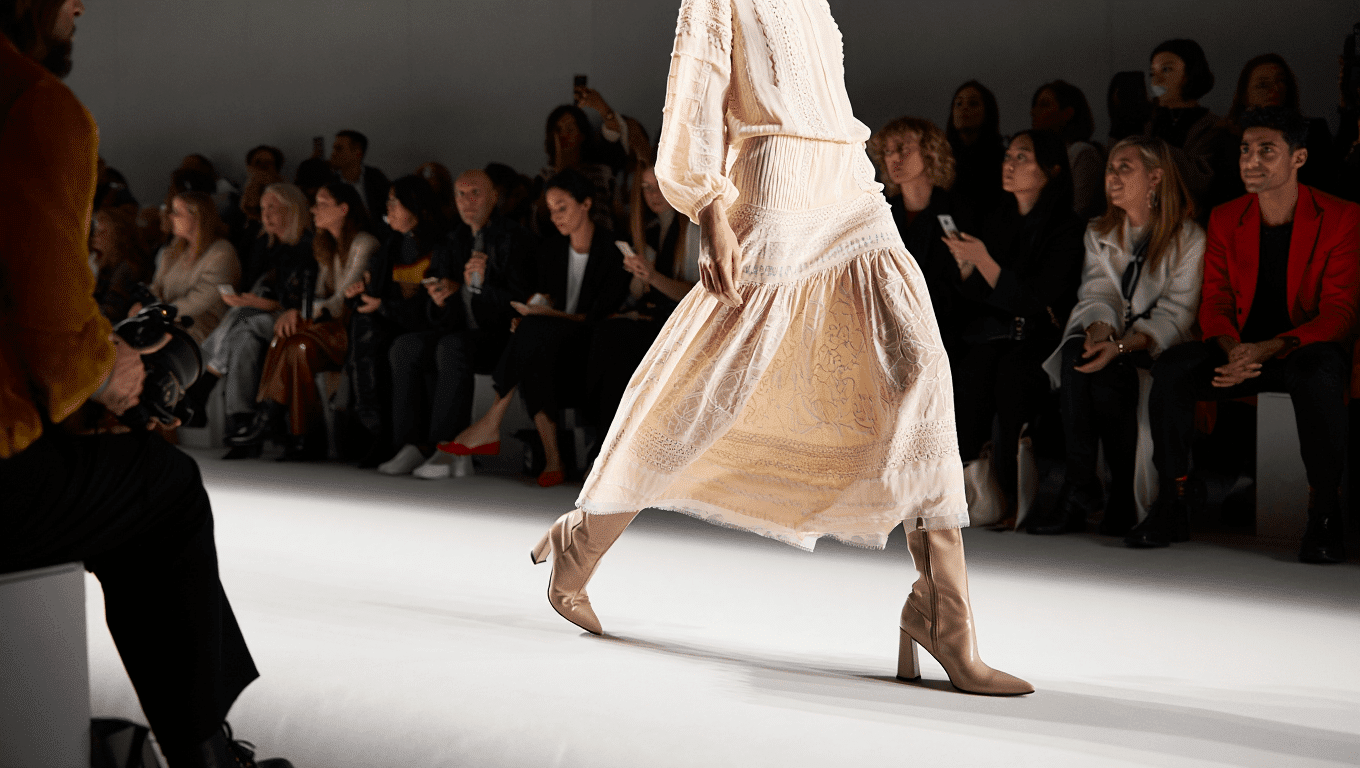
Another recurring element was translucency: lightweight, sheer fabrics were applied in diverse contexts—from bohemian frocks to utility-inspired garments—softening silhouettes and adding a layering opportunity for styling teams.
- By the numbers: ~90 collections assessed, ~3,067 looks reviewed, ~5,203 items catalogued.
- Key silhouettes: Oversculpted shoulders on trenches and car coats; knitted polo and rugby tops.
- Color focus: Pastel pinks refreshing tailoring and romantic looks.
- Textural trend: Sheer fabrics used across multiple narratives—fashion and utility alike.
Why retailers and designers should care
These runway patterns have immediate commercial implications. A shift toward structured outerwear and pastel tailoring should inform inventory allocation and price-tier planning: think fewer generic parkas and more statement coats with distinctive shoulder construction.
For product teams, the prominence of knitted polos and rugby tops suggests a mid-price, high-rotation opportunity—pieces that can be refreshed seasonally without heavy development cost. Meanwhile, the spread of sheer fabrics creates merchandising angles for layering sets and transitional-season capsules.
Styling and marketing teams will find quick editorial hooks here: combine the season’s pink pastels with architectural outerwear for contrast, or pair transparent layers with utility shapes to capture the most-talked-about runway narratives.
Takeaway for the coming season
Implementing a selective approach—prioritizing reworked coats, knitted tops, and pastel tailoring—should help balance novelty with commercial reliability. Monitoring how these items perform in early orders will indicate whether the runway momentum translates into broader consumer demand.
Similar Posts
- S/S 26 Milan Fashion Week Trends Revealed: Must-See Styles You Can’t Miss!
- S/S 26 New York Fashion Week Trends: Discover the Hottest Styles Shaping the Season!
- Women’s A/W 26/27 trends revealed: WGSN data signals runway must-haves
- S/S 26 Paris Fashion Week Trends Revealed: Must-See Styles You Can’t Miss!
- S/S 26 London Fashion Week Trends Revealed: Key Insights and Analytics Uncovered!

An expert in global markets, Sophia analyzes trends and innovations shaping the future of export. Her strategic insights help businesses stay ahead of the curve.

