
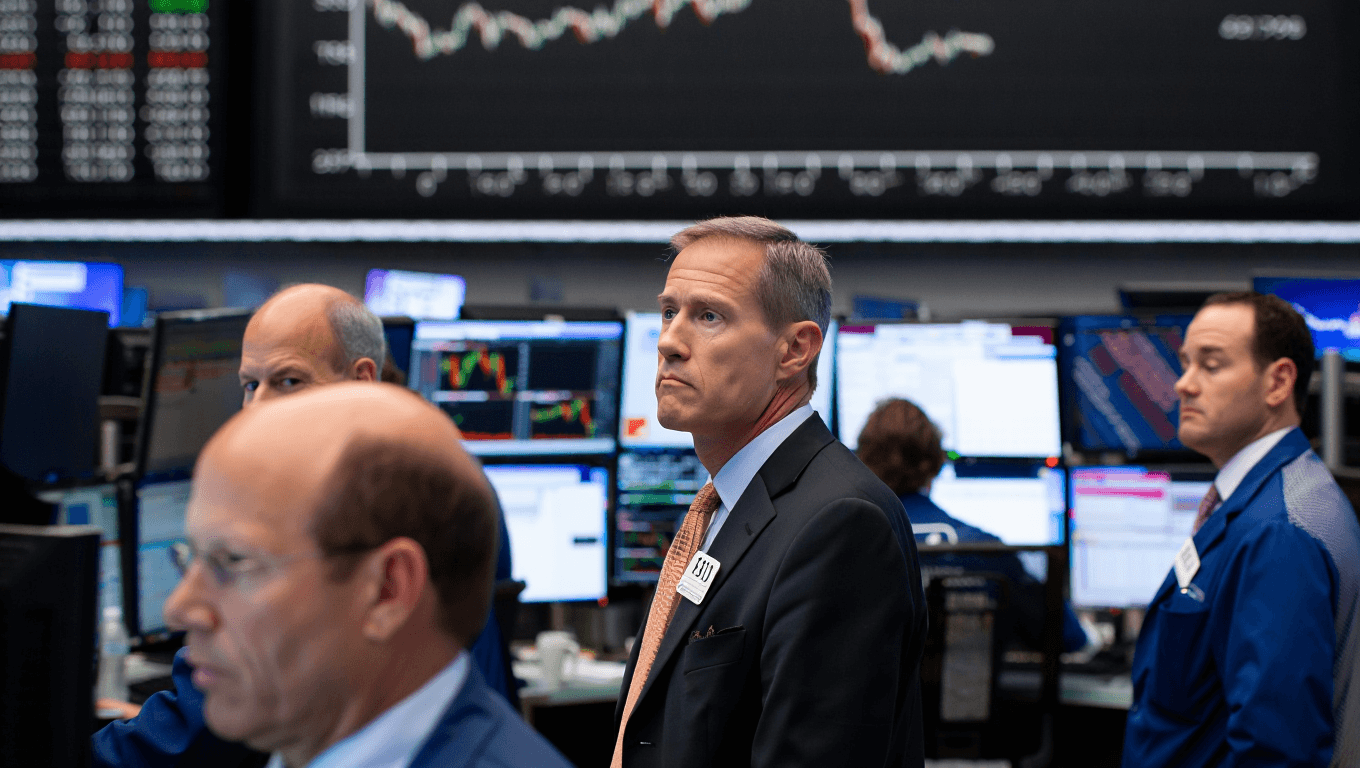
Oil markets slipped on Monday even as fighting around Iran showed no clear path to a resolution, leaving traders squeezed between rising supply risks and fading risk premia. The immediate takeaway for consumers and businesses: volatility is likely to persist, and price moves now hinge on political signals as much as on inventories.
Market moves and the balance of risks
Markets appear to be recalibrating. On one side, the ongoing tensions around Iran and regional proxies continue to pose a credible supply threat because a disruption at choke points such as the Strait of Hormuz would quickly constrain seaborne flows. On the other, traders have pulled back from panic buying after a string of days without a new, dramatic escalation — a pattern that can push prices lower in the short term.
Oil price direction is now sensitive to a handful of shifting forces: global demand growth is uneven, central bank policy has tightened spending power in major economies, and emergency oil releases and logistical adjustments have temporarily eased some supply fears. That mix explains why crude can fall even as geopolitical risk remains elevated.
| Driver | Near-term impact |
|---|---|
| Ongoing Iran conflict | Keeps a premium on prices; risk of sudden spikes if shipping is disrupted |
| Shipping and insurance costs | Higher costs would raise fuel and transport prices even if crude itself is stable |
| Strategic reserve releases | Can cap price moves temporarily but are finite and dependent on policy decisions |
| OPEC+ policy | Production decisions will shape any sustained price trend |
| Global demand outlook | Weak demand prospects reduce upward pressure; strong growth would magnify any supply shock |
Why the situation remains fragile
Diplomatic channels have so far failed to produce a durable de-escalation. Iran’s network of regional allies and non-state actors introduces unpredictable elements, making it hard for markets to price long-term risk. Even limited attacks on tankers or energy infrastructure can ripple through freight rates and insurance premiums, amplifying cost changes for refiners and end users.
Transparency is another problem. Accurate information about production, clandestine exports, and the condition of shipping lanes is often unclear during conflicts. That lack of clarity tends to widen price swings: markets punish uncertainty and reward confirmed data.
The practical effects are already visible beyond headline crude prices. Refinery margins can shift quickly when feedstock availability changes; airlines and shipping companies face both higher fuel bills and greater scheduling risk; and retailers feel the lagged impact through transportation costs.
What to watch next
- Daily crude inventory reports in the United States and OECD countries for signs of tightening or relief
- Traffic and incident reports through the Strait of Hormuz and Gulf shipping lanes
- Statements and actions from OPEC+ about production targets or coordinated supply responses
- Moves on strategic petroleum reserves by major consuming nations
- Insurance premium trends for tanker routes, which can quickly change transport economics
Volatility, rather than a steady trend, looks to be the defining characteristic for oil markets while the Iran conflict remains unresolved. Short-term price declines today do not eliminate the possibility of sharp increases tomorrow if the fighting intensifies or if a critical maritime route is affected. For households and businesses, the immediate consequence is greater uncertainty in fuel and transportation costs — a reminder that political developments in one region can have fast, global economic effects.
Similar Posts
- Oil prices climb after Iran conflict intensifies: markets shrug off Trump’s denials
- Oil prices climb on Iran tension fears after Trump’s threat of US strike
- Oil prices slide as Washington and Tehran signal talks: markets price in supply relief
- Oil prices breach $100 again: eighth straight week of gains amid Iran conflict
- Oil prices slip as fresh diplomacy raises odds of Iran ceasefire

A logistics expert, Ethan shares tips to optimize supply chains and reduce freight costs in global trade.

