
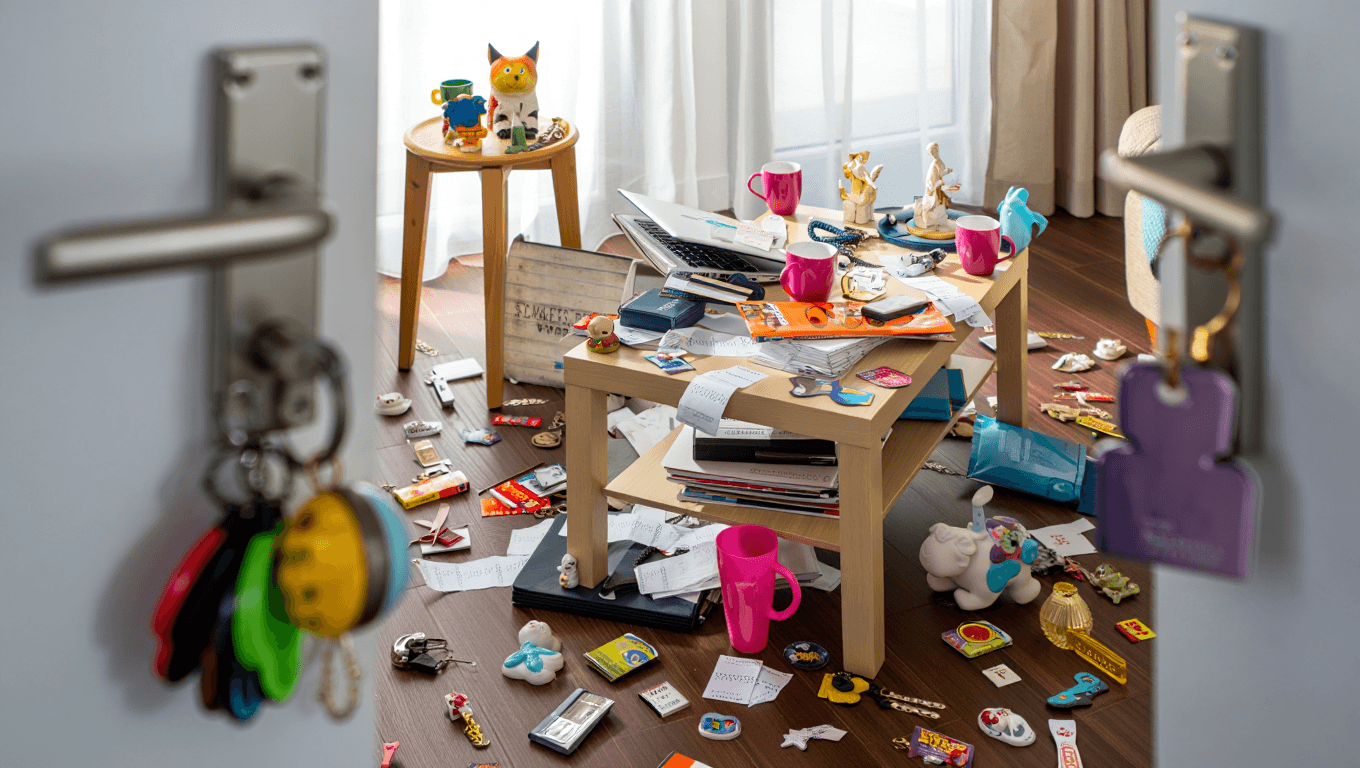
Tiny, inexpensive objects—keychains, novelty mugs, decorative figurines—are showing up in more homes and on more credit card statements. What started as harmless impulse purchases has become a wider consumer pattern with clear consequences for budgets, living space and the environment.
Why small items now have outsized influence
Retailers and creators have perfected a low-cost, high-appeal formula: inexpensive goods promoted through short-form video and curated feeds that make small purchases feel urgent and personal. The result is a steady stream of what industry observers call micro-trends—fads that revolve around collectible or decorative items that are cheap to buy but easy to accumulate.
Social and economic factors amplify the effect. In an economy where discretionary spending is limited, shoppers are more likely to opt for a string of small, affordable treats than a single larger purchase. At the same time, platforms that reward frequent posting and unboxing create social pressure to acquire and display new items regularly.
How this affects everyday life
The consequences are subtle but cumulative. Homes begin to fill with objects whose value is mainly visual or sentimental, not functional. That accumulation can erode living space, complicate cleaning, and shift household budgets toward repeated small expenditures rather than savings or planned purchases.
For many sellers—small makers, online marketplaces and fast-retail brands—the trend is a boon. For consumers and the planet, though, there are trade-offs: waste from short-lived or low-quality goods, added time managing possessions, and a pattern of spending that is hard to track.
- Impulse purchases are easier than ever: one-click checkout and targeted ads shorten the decision window.
- Low price points mask the true cost—multiple small buys can equal a larger purchase over time.
- Increased turnover produces more packaging waste and items that are rarely recycled.
- Resale channels absorb some of the overflow, but they also show how common and quickly circulated these items are.
Spotting the signs your home (and budget) is affected
If you’re wondering whether the “trinket trend” has taken hold at your place, look for obvious signals: overflowing shelves, boxes tucked in closets, and repeated small charges on your card that you can’t easily remember. Those are practical clues that decorative purchases have become routine rather than occasional.
Some people feel only mild annoyance; others report stress from clutter or frustration at wasted money. The emotional toll varies, but the pattern is measurable: frequent low-cost purchases add up both physically and financially.
| Impact | What to watch for | Practical step |
|---|---|---|
| Home clutter | Surface areas filled with nonessential items | Schedule a 20-minute declutter session each week |
| Budget drift | Multiple small, frequent charges | Track discretionary spending in a single category |
| Environmental cost | Excess packaging and disposable goods | Choose higher-quality or secondhand alternatives |
What consumers can do now
Simple behavioral changes blunt the effect without requiring a lifestyle overhaul. Pause before buying: a 24- or 48-hour rule for nonessential items reduces impulse decisions. Create a small “fun” budget to contain purchases you enjoy. When an item arrives, ask whether it adds lasting value or will likely be discarded or resold.
For households dealing with accumulated items, three practical paths work well: donate what still has life, sell collectible pieces on secondhand platforms, and recycle packaging responsibly. Some people find value in ritualizing acquisition—setting a limit on purchases tied to a calendar (one small item per month, for example).
Wider implications and a shifting marketplace
Beyond individual homes, the trend is reshaping retail strategies. Brands that once focused on fewer, higher-margin products now build businesses around frequent small transactions and fast product turnover. That model supports creators and independent sellers but also drives consumption patterns that may be unsustainable over the long term.
At the same time, the secondhand economy is growing as buyers and sellers move excess inventory. A robust resale market can soften environmental costs, but it also normalizes rapid acquisition and disposal.
The immediate takeaway is practical: these purchases matter because they affect monthly finances, the quality of living spaces, and waste streams. Recognizing the pattern is the first step to regaining control.
Short, intentional changes—tracking small purchases, delaying nonessential buys, and clearing out accumulated items—can reduce the burden without asking anyone to give up the small pleasures that trinkets offer.
Similar Posts
- Discover 6 smart money-saving strategies that are easier than you think
- Boredom could be costing you money: Insights from holiday expert Katia Chesnok
- Cousin method wins over designers: how one trick creates effortless room balance
- Dubai chocolate craze fuels worldwide cravings: trend forecasters WGSN saw it coming
- Phone shutdown after 5 p.m.: experiment halves spending

An expert in international finance, Jessica provides actionable advice to secure export transactions and minimize financial risks.

